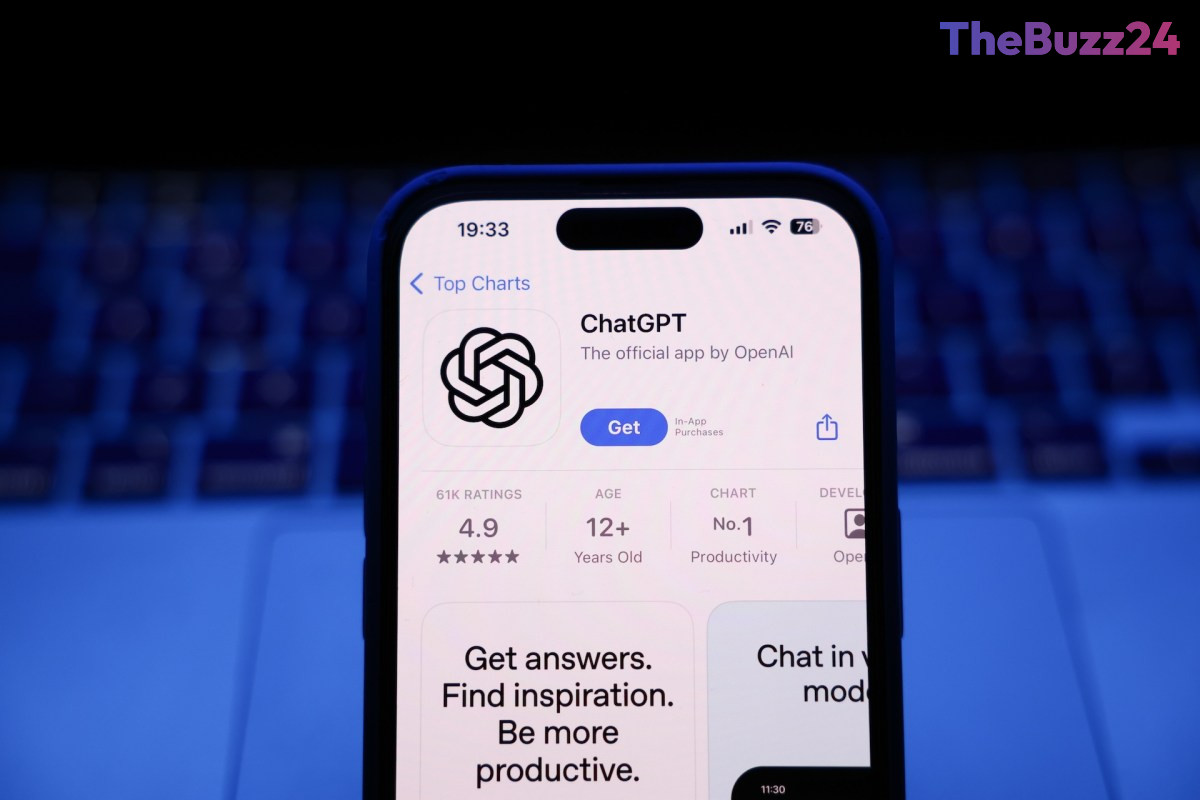
ChatGPT Market Dominance Wanes as AI Competition Heats Up
The artificial intelligence landscape is undergoing a significant transformation as ChatGPT’s global market share has dipped below 50% for the first time since its inception. While OpenAI’s flagship product remains the most widely used AI assistant with over 1.1 billion monthly users, the rapid rise of competitors like Google’s Gemini and Anthropic’s Claude has fractured the market. By the end of May 2026, ChatGPT’s market share had settled at 46.4%, while Gemini captured 27.7% and Claude secured 10.3% of the sector.
User behavior is increasingly fluid, with consumers demonstrating a willingness to migrate between platforms based on feature sets, ecosystem integration, and brand alignment. Data indicates that specific corporate decisions, such as OpenAI’s partnership with the U.S. Department of Defense, have previously triggered spikes in uninstalls, highlighting that ethical considerations and brand values are becoming as critical as technical performance. Meanwhile, Anthropic’s Claude has distinguished itself through high user retention and a superior subscription conversion rate, with 13% of its user base opting for premium plans.
As the industry matures, the focus is shifting from rapid user acquisition to sustainable monetization. Global spending on AI applications is projected to reach $4.2 billion in the first half of 2026, more than double the figures from the same period in 2025. OpenAI is actively testing advertising models within its interface, with 17% of daily users now encountering ads. This shift is also influencing e-commerce, as AI assistants increasingly drive referral traffic to major retailers like Walmart and Target, while Amazon faces challenges due to its restrictive stance on web crawlers and the slow adoption of its own internal AI tools.
Key Takeaways
- ChatGPT’s global market share has fallen below 50% for the first time, signaling a more competitive and fragmented AI landscape.
- Anthropic’s Claude is leading the industry in subscription conversion rates, with 13% of its users paying for premium access.
- The AI industry is shifting its primary focus from pure user growth to monetization through advertising and premium subscription models.
Editor’s Analysis & Impact
The decline in ChatGPT’s market share is a natural evolution of a maturing technology sector. When a product pioneers a category, it enjoys a ‘first-mover’ advantage, but as competitors like Gemini and Claude reach feature parity, the market inevitably shifts toward ecosystem integration and niche utility. The rise of Claude’s subscription conversion rate suggests that users are increasingly willing to pay for specialized productivity tools rather than relying on a ‘one-size-fits-all’ assistant. Furthermore, the integration of AI into e-commerce represents a massive shift in digital advertising. Companies that successfully embed AI into the shopping journey—like Walmart—are poised to capture significant value, while those that resist or fail to innovate, such as Amazon’s current struggles with Rufus, risk losing their grip on consumer purchasing behavior. The future of AI will likely be defined by these vertical-specific integrations rather than general-purpose chatbots.
Frequently Asked Questions
Q: Why is ChatGPT's market share decreasing?
A: ChatGPT's market share is declining due to increased competition from robust alternatives like Google's Gemini and Anthropic's Claude, which are gaining traction through better ecosystem integration and specific productivity features.
Q: Are users actually paying for AI services?
A: Yes, the industry is seeing a significant shift toward monetization. In the first half of 2026, global spending on AI apps is expected to reach $4.2 billion, with platforms like Claude seeing high conversion rates for their premium subscription tiers.
AI Disclosure: This article is based on verified data and official reports. Our Team and AI have cross-referenced every financial detail with primary sources to ensure total accuracy.
More from this Category