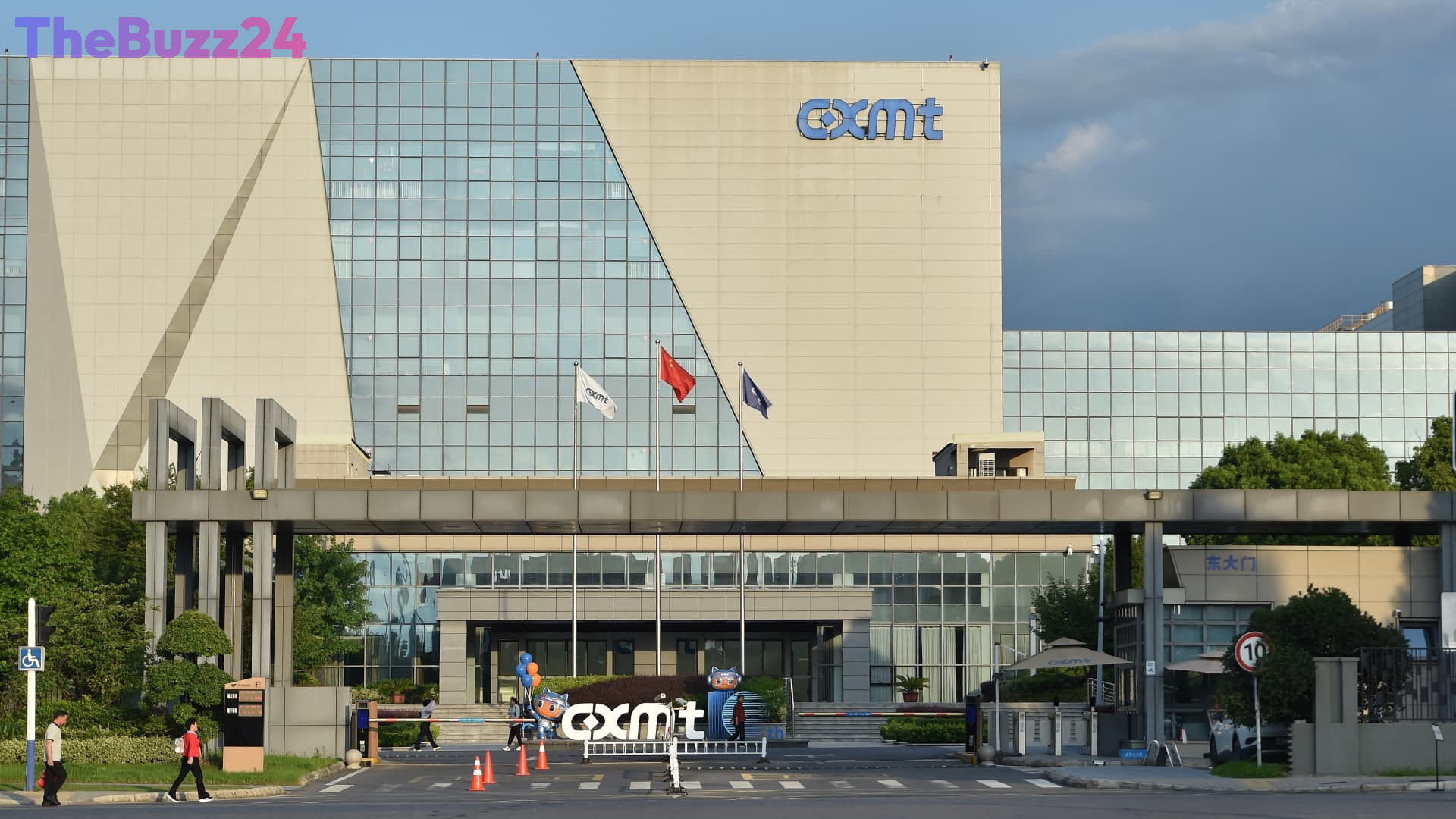
Chinese Memory Maker CXMT’s IPO Soars, But Global Tech Giants Remain Unchallenged
CXMT’s highly anticipated stock market debut in Shanghai has generated significant buzz, with its shares surging nearly 466% on the first day of trading. This event marks a milestone in China’s ambitious drive for semiconductor self-sufficiency. However, industry analysts caution that while the domestic market provides a strong foundation, the company faces substantial hurdles in challenging established global leaders like Samsung Electronics, SK Hynix, and Micron.
The core of the challenge lies in bridging the technological divide, particularly in the production of High-Bandwidth Memory (HBM), a critical component for artificial intelligence applications. The dominant players in the HBM market have a significant head start, and CXMT’s ability to compete hinges on its capacity to close this gap. Analysts point out that access to advanced manufacturing technology, specifically extreme ultraviolet (EUV) lithography machines, is a major obstacle due to international export restrictions. Without these essential tools, CXMT requires a considerably higher volume of raw materials to produce the same output as its competitors, impacting efficiency and cost.
CXMT has set a target to begin HBM production by the end of 2026, with plans to manufacture HBM3E or HBM3. This places the company one to two generations behind competitors who are already advancing towards HBM4 and HBM4E. While domestic demand from major Chinese tech firms such as Tencent, ByteDance, and Alibaba is expected to bolster CXMT’s market share within China, its product portfolio currently focuses on mainstream and mid-range memory chips. Expanding into high-capacity server products and advanced AI memory solutions remains a significant undertaking.
The future trajectory for CXMT presents both optimistic and pessimistic scenarios. The “bull case” centers on its potential to rapidly advance its technology and catch up with industry leaders. Conversely, the “bear case” highlights the persistent challenges posed by equipment regulations and the inherent technological barriers in advanced chip manufacturing. Experts suggest that substantially narrowing the gap in the AI-driven memory market will be a difficult feat for CXMT in the near term, despite ongoing efforts to develop new processes and products.
Key Takeaways
- CXMT experienced a dramatic surge in its Shanghai IPO, highlighting China's push for semiconductor independence.
- The company faces significant technological challenges, particularly in HBM production, due to restricted access to advanced lithography equipment.
- While domestic demand offers support, CXMT must overcome technological barriers to compete with global memory market leaders like Samsung, SK Hynix, and Micron.
Editor’s Analysis & Impact
CXMT’s impressive IPO debut underscores the immense strategic importance China places on developing its domestic semiconductor capabilities. However, the company’s path forward is fraught with challenges, primarily stemming from its limited access to cutting-edge manufacturing technology, particularly EUV lithography. This technological gap directly impacts its ability to compete in high-growth areas like AI-driven High-Bandwidth Memory (HBM). While strong domestic demand provides a buffer, its long-term success will depend on navigating geopolitical restrictions and achieving significant technological advancements to close the gap with established global players. The market will be watching closely to see if CXMT can transition from a domestic supplier to a credible global competitor in the advanced memory chip sector.
Frequently Asked Questions
Q: What is High-Bandwidth Memory (HBM)?
A: High-Bandwidth Memory (HBM) is a type of high-performance RAM designed for applications that require massive data throughput, such as artificial intelligence (AI) and high-performance computing. It achieves higher bandwidth by stacking DRAM dies vertically and connecting them with through-silicon vias (TSVs).
Q: What are the main challenges for CXMT in the global memory market?
A: The primary challenges for CXMT include a lack of access to advanced lithography technology, specifically EUV machines, which are crucial for manufacturing cutting-edge chips. This technological disadvantage leads to lower production efficiency and higher costs compared to competitors. Additionally, CXMT is currently one to two generations behind industry leaders in HBM technology.
Q: Who are the leading global players in the DRAM market?
A: The leading global players in the DRAM market are Samsung Electronics, which holds the largest market share, followed by SK Hynix and Micron Technology.
AI Disclosure: This article is based on verified data and official reports. Our Team and AI have cross-referenced every financial detail with primary sources to ensure total accuracy.
More from this Category