Deadly Landslide Claims Young Lives at Bangladesh Study Center Amid Monsoon Fury
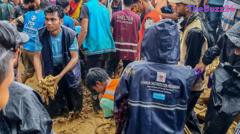
A devastating landslide struck an Islamic study center in Bangladesh’s coastal city of Cox’s Bazar on Wednesday afternoon, resulting in the deaths of eight young students. The facility was engulfed by a torrent of mud and debris, prompting immediate and desperate search and rescue operations. Thirteen individuals were pulled from the submerged school hut, with five children subsequently hospitalized for treatment. Officials confirmed the ages of some victims ranged from seven to twelve years old.
This tragic incident is part of a broader pattern of destruction caused by relentless monsoon rains that have battered the region since Sunday. Cox’s Bazar, home to the world’s largest Rohingya refugee settlement, has experienced several deadly landslides in recent days. Prior to Wednesday’s event, at least eight other Rohingya refugees, including five children, had already lost their lives in separate landslide incidents across the area.
The precarious living conditions of the over one million Rohingya people residing in Cox’s Bazar exacerbate the impact of such natural disasters. Having fled a brutal military crackdown in Myanmar in 2017, where they are denied citizenship, many Rohingya live in makeshift homes constructed from tarpaulin and bamboo, often precariously perched on steep hillsides. These structures offer little protection against the severe weather. With more rain forecast for the coming days, authorities are issuing further warnings for potential landslides and floods, actively evacuating families from high-risk zones to prevent further loss of life.
Key Takeaways
- A landslide at an Islamic study center in Cox's Bazar, Bangladesh, killed eight children and injured five others.
- The incident is one of several deadly landslides in the region, exacerbated by ongoing monsoon rains, which have claimed at least eight other Rohingya refugee lives since Sunday.
- The tragedy highlights the extreme vulnerability of over one million Rohingya refugees living in makeshift homes in Cox's Bazar, who face ongoing threats from natural disasters and poor living conditions.
Editor’s Analysis & Impact
This tragic event underscores the severe humanitarian crisis faced by the Rohingya refugee population in Bangladesh, exacerbated by the increasing frequency and intensity of extreme weather events. While not directly impacting global markets, it places immense pressure on international aid organizations and donor nations to provide immediate relief and sustainable solutions for safe housing and infrastructure. The future outlook for these vulnerable communities remains bleak without significant investment in disaster preparedness and long-term resettlement strategies. Broader implications include the urgent need for global cooperation on climate change adaptation, particularly in regions hosting large displaced populations, and a renewed focus on the political solutions required to address the root causes of the Rohingya’s displacement from Myanmar. This incident serves as a stark reminder of how climate vulnerability disproportionately affects the world’s most marginalized communities.
Frequently Asked Questions
Q: What caused the landslide in Cox's Bazar?
A: The landslide was triggered by relentless monsoon rains that have been battering the region since Sunday, saturating the ground and making hillsides unstable.
Q: Who are the Rohingya people mentioned in the article?
A: The Rohingya are a predominantly Muslim ethnic minority from Myanmar who fled a severe military crackdown in 2017. Over a million now live as refugees in Bangladesh, primarily in makeshift camps in Cox's Bazar, where they face precarious living conditions and are denied citizenship by Myanmar.
Q: What is being done to prevent further casualties?
A: Authorities are issuing warnings for more landslides and floods, and are actively evacuating families from high-risk areas in Cox's Bazar to safer locations. International aid organizations are also involved in providing assistance and improving camp infrastructure where possible.
AI Disclosure: This article is based on verified data and official reports. Our Team and AI have cross-referenced every financial detail with primary sources to ensure total accuracy.
More from this Category