Widespread Unrest Grips Cuba Following Third Nationwide Blackout
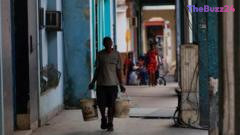
Citizens across Cuba took to the streets on Tuesday evening, banging pots and chanting in protest as the island nation grappled with its third nationwide power outage this year. The spontaneous demonstrations, which occurred in several locations, highlight growing public frustration over the persistent collapse of the country’s electrical grid and the resulting daily hardships.
While the state-run electricity provider has managed to restore power to many regions, significant areas—including the major city of Santiago de Cuba—remained in the dark well into the night. These unplanned outages are compounding an already dire situation, as the government has been implementing rolling blackouts to conserve fuel. In some rural districts, residents have reported being without electricity for as long as 70 hours, while urban centers face planned cuts lasting up to 30 hours.
President Miguel Díaz-Canel has publicly acknowledged the widespread dissatisfaction, noting that the combination of food, medicine, and transport shortages alongside prolonged darkness has created an untenable situation for the populace. However, the government continues to deflect responsibility, urging citizens to direct their grievances toward the United States. Officials in Havana argue that aggressive sanctions and an effective blockade on oil shipments are the primary drivers of the energy crisis, while international observers and US officials maintain that the systemic failures are a result of internal mismanagement and policy decisions.
As the diplomatic standoff between Washington and Havana intensifies, the humanitarian impact on the Cuban people continues to worsen. Despite reports of private discussions between the two nations, there has been little evidence of a breakthrough, leaving the island in a state of economic and social volatility.
Key Takeaways
- Cuba experienced its third nationwide power outage of the year, triggering spontaneous public protests.
- The energy crisis is exacerbated by severe fuel shortages, which the government attributes to US sanctions and the US blames on internal governance.
- President Miguel Díaz-Canel has admitted to the public's suffering but has called for protesters to direct their anger at the United States rather than his administration.
Editor’s Analysis & Impact
The ongoing energy crisis in Cuba serves as a critical barometer for the island’s broader economic stability. The intersection of aging infrastructure and aggressive external economic pressure has created a feedback loop of instability that threatens the current administration’s control. From a market perspective, the inability to secure consistent fuel supplies suggests that the country’s industrial and commercial sectors will remain severely hampered, likely leading to further migration and social unrest. The future outlook remains bleak; without a significant shift in either domestic energy policy or a thawing of diplomatic relations with the US, the island is likely to face continued infrastructure degradation. The broader implication is a potential humanitarian crisis that could force regional powers to intervene or face a surge in migration, further complicating the geopolitical landscape of the Caribbean.
Frequently Asked Questions
Q: Why are there frequent power cuts in Cuba?
A: The power cuts are primarily caused by a severe shortage of fuel needed to run power plants, which is being exacerbated by both aging infrastructure and international sanctions that limit the country's ability to import oil.
Q: How has the Cuban government responded to the protests?
A: President Miguel Díaz-Canel has acknowledged the public's dissatisfaction and suffering but has urged citizens to direct their protests toward the United States government, which he blames for the economic and energy-related hardships.
AI Disclosure: This article is based on verified data and official reports. Our Team and AI have cross-referenced every financial detail with primary sources to ensure total accuracy.
More from this Category