DRC Launches Critical Vaccine Trial as Ebola Outbreak Expands Rapidly
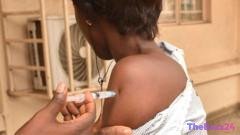
The Democratic Republic of the Congo (DRC) is launching a critical clinical trial of the Ervebo vaccine to combat a rapidly expanding Ebola outbreak driven by the rare Bundibugyo species. While Ervebo is highly effective against the Zaïre strain of the virus, there is currently no approved vaccine or treatment specifically targeted at the Bundibugyo variant. Health authorities are deploying 20,000 doses for the clinical trial and allocating another 50,000 doses to protect front-line healthcare workers who are battling the crisis on the ground.
The situation has grown increasingly dire, with health officials warning that the virus is spreading exponentially across the northern and eastern regions of the DRC, now spanning an area larger than France. The current outbreak, which was declared three months ago, has already claimed nearly 2,500 lives, with approximately half of those fatalities occurring in just the last 20 days. Efforts to contain the disease have been severely hampered by early misdiagnoses—where cases were mistaken for malaria or typhoid—as well as ongoing conflict, community distrust of medical workers, and traditional burial practices that facilitate transmission. The humanitarian toll is also rising, with reports from Save the Children indicating that at least 180 children have lost their parents or primary caregivers.
Compounding the public health emergency is the complex security landscape in the eastern DRC. The M23 rebel group, which controls significant portions of North Kivu province including areas near Goma and Bukavu, recently announced a one-month suspension of shared taxis and passenger boats between government-held and rebel-controlled territories. This decision was triggered after two travelers tested positive for Ebola in an M23-controlled village. The rebel administration has been attempting to run a parallel health response to demonstrate its governance capabilities, highlighting the immense difficulty of managing a deadly epidemic in an active conflict zone.
Key Takeaways
- The DRC is initiating a clinical trial of the Ervebo vaccine to test its efficacy against the rare Bundibugyo species of Ebola, which currently lacks approved treatments.
- The outbreak has escalated dramatically, causing nearly 2,500 deaths in three months, with half of the fatalities occurring within the last 20 days.
- Active conflict and political instability, including travel restrictions imposed by the M23 rebel group in North Kivu, are severely complicating containment and medical response efforts.
Editor’s Analysis & Impact
This escalating crisis in the DRC underscores the critical vulnerability of global health security when infectious diseases intersect with geopolitical conflict. The clinical trial of the Ervebo vaccine represents a pivotal moment for pharmaceutical innovation, as adapting existing vaccines for rare strains like Bundibugyo could establish a blueprint for rapid-response vaccine development. However, the success of this medical intervention hinges entirely on field execution. In conflict zones managed by non-state actors like the M23 rebel group, traditional top-down humanitarian aid is highly disrupted. To prevent the virus from breaching international borders, global health organizations must navigate complex local politics and secure neutral humanitarian corridors. Ultimately, this outbreak highlights that developing effective vaccines is only half the battle; the greater challenge lies in establishing the geopolitical stability and local trust required to distribute them safely.
Frequently Asked Questions
Q: What is the difference between the Zaïre and Bundibugyo species of Ebola?
A: The Zaïre species is the most common and deadly strain of Ebola, for which the Ervebo vaccine is proven to be effective. The Bundibugyo species is a much rarer variant with only two previously recorded outbreaks, and there are currently no approved vaccines or treatments specifically designed for it.
Q: Why has the Ebola outbreak in the DRC been so difficult to contain?
A: Containment efforts are severely hindered by active conflict in the eastern DRC, which limits healthcare access. Additionally, early cases of the Bundibugyo strain were misdiagnosed as malaria or typhoid, allowing the virus to spread undetected. Local skepticism toward health authorities and traditional burial practices have also contributed to the rapid transmission.
Q: How is the ongoing conflict in the region affecting the medical response?
A: The presence of rebel groups like M23 complicates the delivery of medical supplies and vaccine distribution. Recently, M23 suspended public transport between government and rebel-held areas in North Kivu after positive cases were detected, demonstrating how political fragmentation directly impacts public health logistics.
AI Disclosure: This article is based on verified data and official reports. Our Team and AI have cross-referenced every financial detail with primary sources to ensure total accuracy.
More from this Category