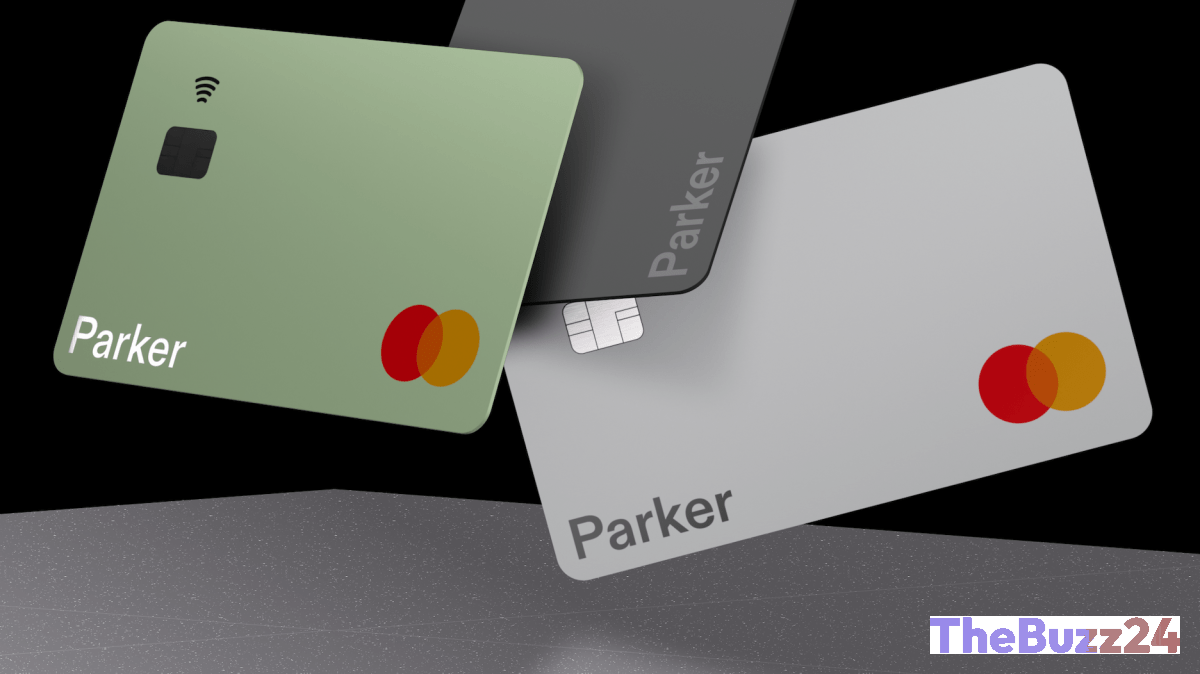
Fintech Firm Parker Shuts Down Operations Following Bankruptcy Filing
Parker, a fintech startup that specialized in providing corporate credit card services to e-commerce merchants, has officially filed for Chapter 7 bankruptcy. The move marks the end of the company’s operations, which ceased abruptly on May 7. According to the liquidation filing, the firm holds assets and liabilities both estimated in the range of $50 million to $100 million, leaving more than 100 creditors with outstanding claims.
The company’s sudden collapse comes after a failed acquisition attempt that was intended to provide the necessary capital to stabilize its financial position. Following the breakdown of these negotiations, Patriot Bank, which served as Parker’s primary credit card partner, began informing customers of the service shutdown earlier this week. As the platform goes offline, other fintech competitors are actively working to capture the displaced merchant base.
Launched as part of the Y Combinator winter 2019 cohort, Parker had previously secured over $200 million in venture capital funding from prominent investors, including Valar Ventures, and had reported annual revenues of $65 million. CEO Yacine Sibous has since addressed the closure, pointing to internal challenges such as aggressive hiring practices and poor strategic decision-making as primary factors in the company’s downfall. While the company’s website remains accessible for the time being, the legal filing confirms that the business is entering a full liquidation process.
Key Takeaways
- Parker has filed for Chapter 7 bankruptcy, resulting in the immediate cessation of its corporate credit card services for e-commerce merchants.
- The company's collapse was triggered by a failed acquisition deal and subsequent loss of its primary banking partner, Patriot Bank.
- Despite raising over $200 million in funding and reporting $65 million in revenue, the firm struggled with over-hiring and strategic missteps.
Editor’s Analysis & Impact
The collapse of Parker serves as a stark reminder of the volatility within the fintech sector, particularly for startups that rely heavily on external capital and banking partnerships to sustain their business models. The company’s failure to secure an acquisition highlights the tightening of the M&A market for high-burn startups that cannot achieve long-term profitability. As the industry matures, investors are increasingly prioritizing sustainable unit economics over rapid, debt-fueled growth. This event will likely lead to increased scrutiny from banking partners regarding the risk profiles of their fintech clients. For the broader e-commerce ecosystem, the sudden loss of a payment provider underscores the importance of platform diversification and the inherent risks of relying on venture-backed intermediaries for critical financial infrastructure.
Frequently Asked Questions
Q: What happens to Parker's existing customers?
A: Parker has ceased operations, and its primary banking partner, Patriot Bank, has notified customers of the shutdown. Merchants are currently being encouraged to transition to alternative payment solutions.
Q: Why did Parker file for Chapter 7 bankruptcy?
A: The filing was prompted by a failed acquisition deal that left the company unable to meet its financial obligations, with liabilities estimated between $50 million and $100 million.
AI Disclosure: This article is based on verified data and official reports. Our Team and AI have cross-referenced every financial detail with primary sources to ensure total accuracy.
More from this Category