Bridging the Gap: How the ISS is Paving the Way for the Artemis Lunar Missions
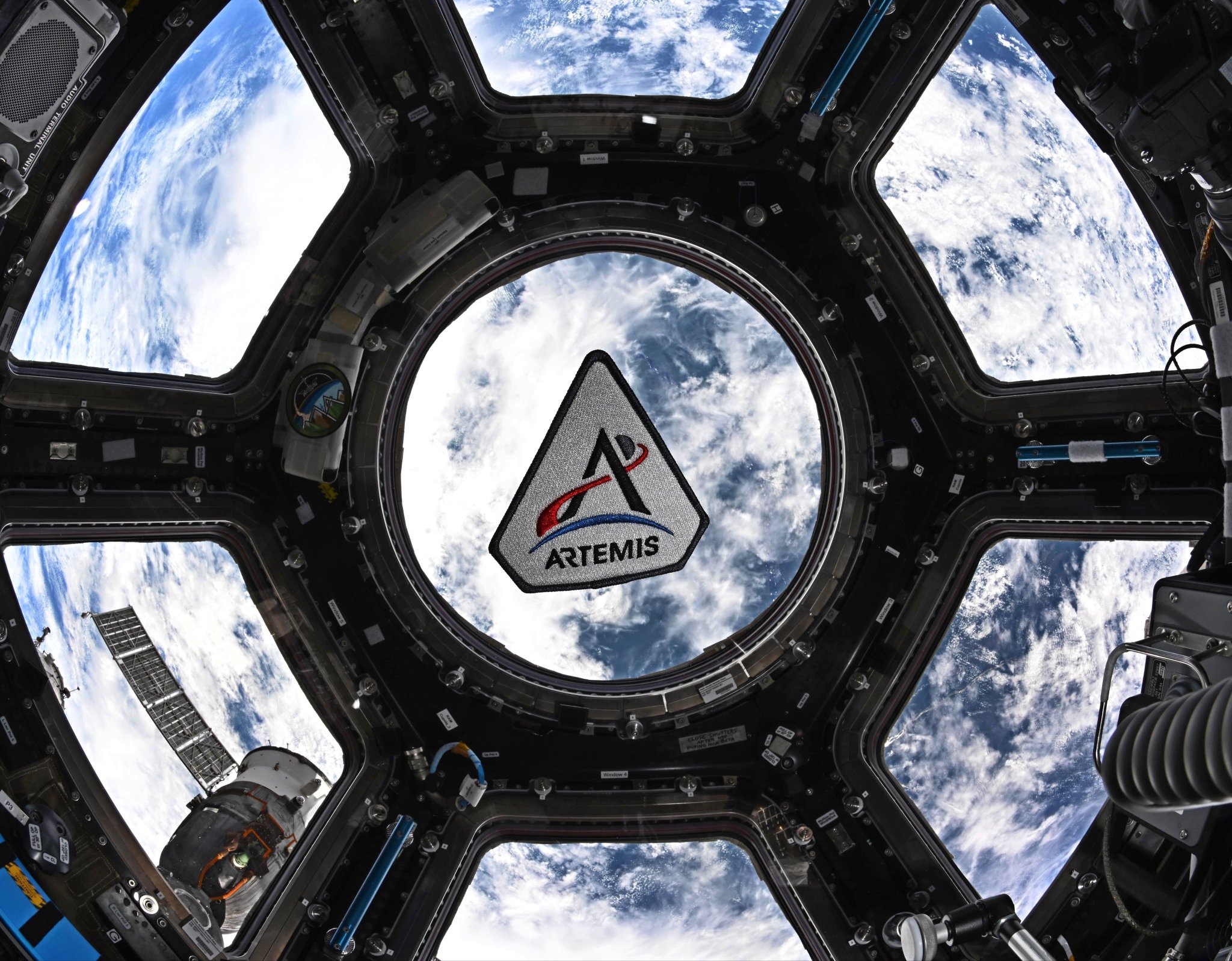
As humanity prepares to return to the lunar surface, the International Space Station (ISS) is proving to be more than just a research laboratory; it is the essential proving ground for the next generation of deep space exploration. NASA astronaut Jessica Meir recently underscored this connection, sharing a symbolic image of an Artemis program patch floating in the station’s cupola. This gesture highlights the seamless transition from the decades of expertise gained in low Earth orbit to the ambitious goals of the Artemis era.
The ongoing scientific operations aboard the ISS are instrumental in developing the technologies and protocols required for lunar missions. By testing advanced life support systems, monitoring human physiological responses to microgravity, and refining long-duration operational procedures, the station provides a controlled environment to mitigate the risks associated with deep space travel. These foundational efforts are directly shaping the strategies that will sustain astronauts during the upcoming Artemis missions.
Excitement for the Artemis II mission is building among the current residents of the ISS, who view the project as a monumental achievement for the global space community. The mission represents a collective milestone, signaling a new chapter in human exploration. As the aerospace industry shifts its focus toward the Moon, the lessons learned in the ISS are proving to be the critical building blocks for establishing a sustainable human presence beyond our planet’s orbit.
Key Takeaways
- The International Space Station serves as a vital testing environment for the life support and health monitoring technologies needed for lunar exploration.
- NASA is leveraging existing low Earth orbit infrastructure to de-risk the complex challenges of deep space missions.
- The Artemis II mission is viewed by the current ISS crew as a pivotal milestone in the broader effort to return humans to the Moon.
Editor’s Analysis & Impact
The transition from low Earth orbit operations to deep space exploration marks a fundamental shift in the aerospace industry. By leveraging the ISS as a laboratory for long-duration human spaceflight, NASA is effectively de-risking the Artemis program. This strategy not only optimizes taxpayer investment in existing infrastructure but also fosters a sustainable model for future lunar and Martian missions. The industry impact is significant, as it encourages private sector partnerships to develop the necessary hardware for lunar transit and surface operations. Looking ahead, the success of Artemis II will likely serve as a catalyst for increased international collaboration and commercial space investment, potentially accelerating the timeline for a permanent human presence on the Moon and beyond.
Frequently Asked Questions
Q: What is the primary goal of the Artemis II mission?
A: The Artemis II mission aims to send a crewed spacecraft to orbit the Moon, serving as a critical step toward future lunar landings and long-term deep space exploration.
Q: How does the International Space Station contribute to lunar missions?
A: The ISS provides a platform to conduct research on human health, life support systems, and operational procedures in space, which are essential for preparing astronauts for the challenges of missions beyond low Earth orbit.
AI Disclosure: This article is based on verified data and official reports. Our Team and AI have cross-referenced every financial detail with primary sources to ensure total accuracy.
More from this Category