Fragile Ceasefire Takes Hold Between Israel and Lebanon Following Weeks of Conflict
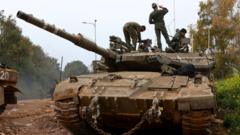
A 10-day ceasefire between Israel and Lebanon officially commenced on Thursday at 5:00 PM EST, marking a critical pause in six weeks of intense military engagement. The agreement, facilitated by the United States, seeks to stabilize the region following a period of heavy bombardment and ground operations that have resulted in significant casualties and widespread displacement across southern Lebanon.
Under the terms of the truce, Israeli Prime Minister Benjamin Netanyahu has confirmed that while combat operations will cease, Israeli forces will maintain a 10-kilometer-deep security zone within southern Lebanese territory. Hezbollah has signaled its willingness to adhere to the ceasefire, provided that the agreement ensures a total cessation of hostilities and limits the operational freedom of Israeli forces. The U.S. State Department has noted that the truce could be extended if diplomatic progress continues, while maintaining that Israel retains the right to self-defense.
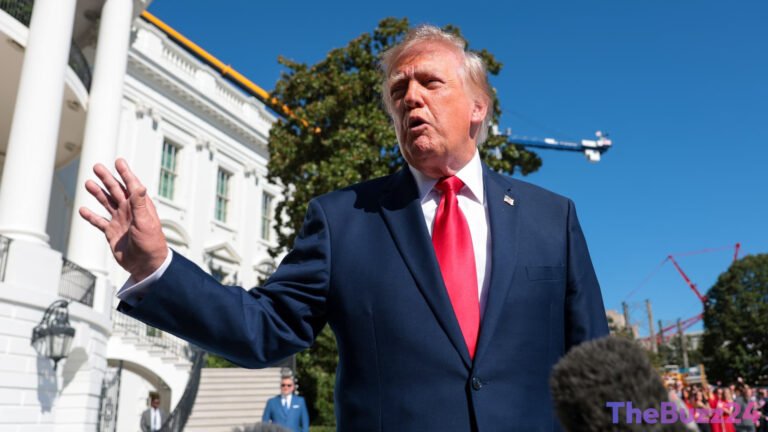
The conflict, which escalated on March 2 following a joint U.S.-Israeli strike on Iran and subsequent retaliatory rocket fire, has caused a humanitarian crisis. Reports indicate that over 2,000 people have been killed in Lebanon, with more than one million residents displaced and tens of thousands of homes destroyed. In response to the ongoing instability, plans are underway for a high-level diplomatic summit at the White House, where President Donald Trump is expected to host Prime Minister Netanyahu and Lebanese President Joseph Aoun to discuss a long-term resolution.
Despite the immediate cessation of fire, the long-term outlook remains uncertain. The presence of Hezbollah’s significant arsenal remains a primary point of contention, with the Lebanese government advocating for a negotiated disarmament process rather than military intervention. As both nations prepare for upcoming talks, the durability of the ceasefire remains fragile, contingent upon the ability of both sides to address deep-seated security concerns and the future status of the southern border region.
Key Takeaways
- A 10-day ceasefire between Israel and Lebanon began on Thursday, aiming to halt six weeks of intense regional conflict.
- The agreement includes the maintenance of a 10-kilometer Israeli security zone in southern Lebanon, a point of ongoing negotiation.
- President Donald Trump has invited the leaders of Israel and Lebanon to the White House for high-level talks to seek a permanent diplomatic solution.
Editor’s Analysis & Impact
The current ceasefire represents a critical juncture in Middle Eastern geopolitics, shifting the focus from kinetic warfare to high-stakes diplomacy. The primary challenge lies in the fundamental disagreement over Hezbollah’s role and its military capabilities, which remain the core driver of the conflict. While the upcoming White House summit offers a rare opportunity for direct dialogue, the success of these negotiations will depend on whether the parties can move beyond immediate security demands to address the underlying structural issues. The humanitarian impact—specifically the displacement of one-fifth of Lebanon’s population—adds immense pressure on the Lebanese government to secure a lasting peace. If the ceasefire holds, it could pave the way for a broader regional realignment; however, the fragility of the current truce suggests that any misstep could quickly lead to a resumption of hostilities.
Frequently Asked Questions
Q: What is the duration of the current ceasefire?
A: The ceasefire is currently set for a 10-day period, with the possibility of extension depending on the progress of diplomatic negotiations.
Q: What is the primary goal of the upcoming White House summit?
A: The summit aims to facilitate the first meaningful talks between Israeli and Lebanese leadership since 1983 to address the conflict and seek a long-term peace agreement.
AI Disclosure: This article is based on verified data and official reports. Our Team and AI have cross-referenced every financial detail with primary sources to ensure total accuracy.
More from this Category