Lawmakers Propose New Federal Board to Scrutinize Foreign Investment Deals
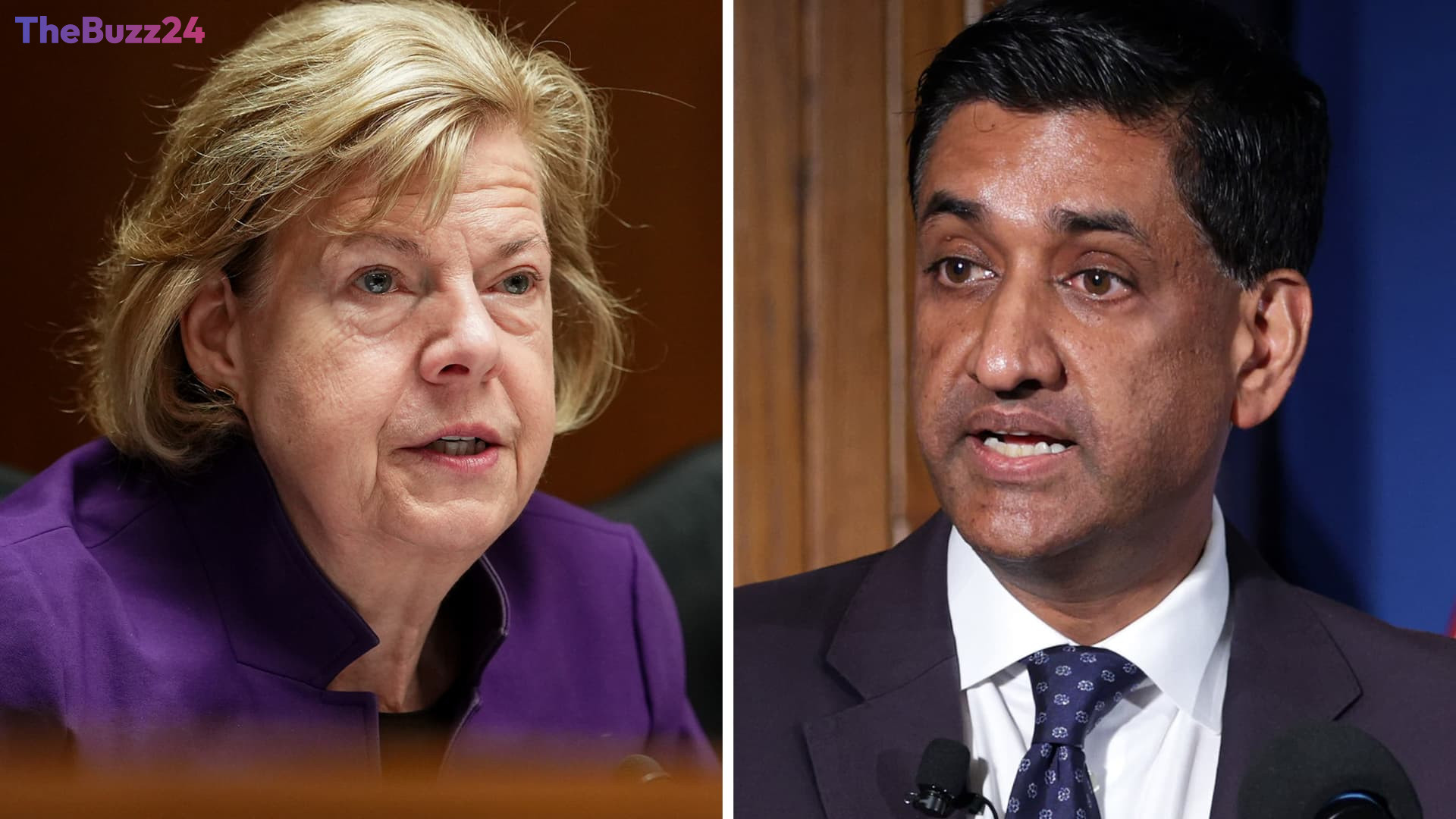
Senator Tammy Baldwin and Representative Ro Khanna are spearheading legislation to establish a new federal review board, the Foreign Investment Review Authority (FIRA), aimed at scrutinizing direct foreign investments in the United States. The proposed independent executive branch authority seeks to ensure that global ventures, particularly those negotiated as part of trade deals, genuinely benefit American workers and communities, rather than solely serving foreign interests or potentially leading to corrupt practices.
The FIRA would comprise a bipartisan board, including a presidential appointee subject to Senate confirmation, designees from the Secretaries of Commerce and Labor, the Attorney General, and four additional presidentially appointed, Senate-confirmed members from the opposing political party. This structure is designed to foster objective oversight. The bill also outlines the creation of an Office of the Chief Ethics Officer and a Public Oversight Board to handle complaints, emphasizing transparency and accountability in foreign investment processes. Lawmakers have highlighted concerns that current mechanisms are insufficient to review investment commitments made in response to U.S. tariffs or as part of broader trade agreements.
The proposed board’s mandate would involve a comprehensive review of covered investments, assessing their economic benefit, job creation, content sourcing, competitive impact, and ethical compliance. Investments would be disallowed if they violate ethics laws, are likely to confer personal financial benefits on U.S. government officials, or involve entities linked to forced labor, such as those on the Uyghur Forced Labor Prevention Act list. A heightened review process would be triggered for investments originating from adversarial nations. Notably, FIRA would possess the authority to unilaterally suspend or prohibit impermissible investments, a significant departure from existing review bodies.
This new authority would differentiate itself from the Committee on Foreign Investment in the United States (CFIUS), which primarily focuses on national security implications and refers problematic deals to the President for final decisions. FIRA, conversely, would prioritize the economic effects of investments and operate with a bipartisan panel, granting it more direct power to block transactions based on economic and ethical criteria. While the bill faces considerable challenges in the current legislative environment, it signals a clear intent from some lawmakers to enhance oversight of foreign direct investment and presidential trade negotiations.
Key Takeaways
- Senator Tammy Baldwin and Representative Ro Khanna have introduced a bill to create the Foreign Investment Review Authority (FIRA) to scrutinize direct foreign investments in the U.S.
- FIRA aims to ensure investments benefit American workers, prevent corrupt deals, and provide robust oversight, particularly concerning trade deals and tariff responses.
- The proposed board would be bipartisan, have unilateral power to block transactions, and prioritize economic and ethical considerations, distinguishing it from the existing CFIUS.
Editor’s Analysis & Impact
The proposed Foreign Investment Review Authority (FIRA) represents a significant legislative effort to reshape how the U.S. evaluates foreign direct investment. If enacted, it could shift the focus from primarily national security concerns, as addressed by CFIUS, to a broader consideration of economic benefits, job creation, and ethical compliance. This move reflects growing concerns about the transparency and fairness of international trade deals and their impact on domestic industries and labor. While the bill faces an uphill battle in the current political climate, its introduction signals a potential future direction for U.S. trade policy, emphasizing greater congressional oversight and a more stringent vetting process for foreign capital inflows. The debate around FIRA highlights the ongoing tension between promoting global investment and protecting national economic interests and ethical standards.
Frequently Asked Questions
Q: What is the primary purpose of the proposed Foreign Investment Review Authority (FIRA)?
A: The FIRA is designed to establish a federal review board for direct foreign investments in the U.S., ensuring these investments benefit American workers, prevent corrupt deals, and provide transparency and oversight, especially concerning trade agreements and responses to tariffs.
Q: How would FIRA differ from the existing Committee on Foreign Investment in the United States (CFIUS)?
A: FIRA would differ from CFIUS in several key ways: it would be a bipartisan panel, have the unilateral authority to block transactions (whereas CFIUS refers decisions to the President), and would primarily prioritize the economic effects and ethical implications of investments, rather than CFIUS's focus on national security concerns.
Q: What types of investments would FIRA be authorized to review?
A: FIRA would review commitments by foreign countries to invest in the United States made as part of trade agreements, in response to tariffs, embargoes, or other U.S. trade or economic authorities. It would assess these investments for economic benefit, job creation, content sourcing, competition, and ethics, with heightened scrutiny for investments from adversarial nations.
AI Disclosure: This article is based on verified data and official reports. Our Team and AI have cross-referenced every financial detail with primary sources to ensure total accuracy.
More from this Category