Corporate Giants Prioritize Shareholder Value Over Political Pressure in Tariff Refund Push
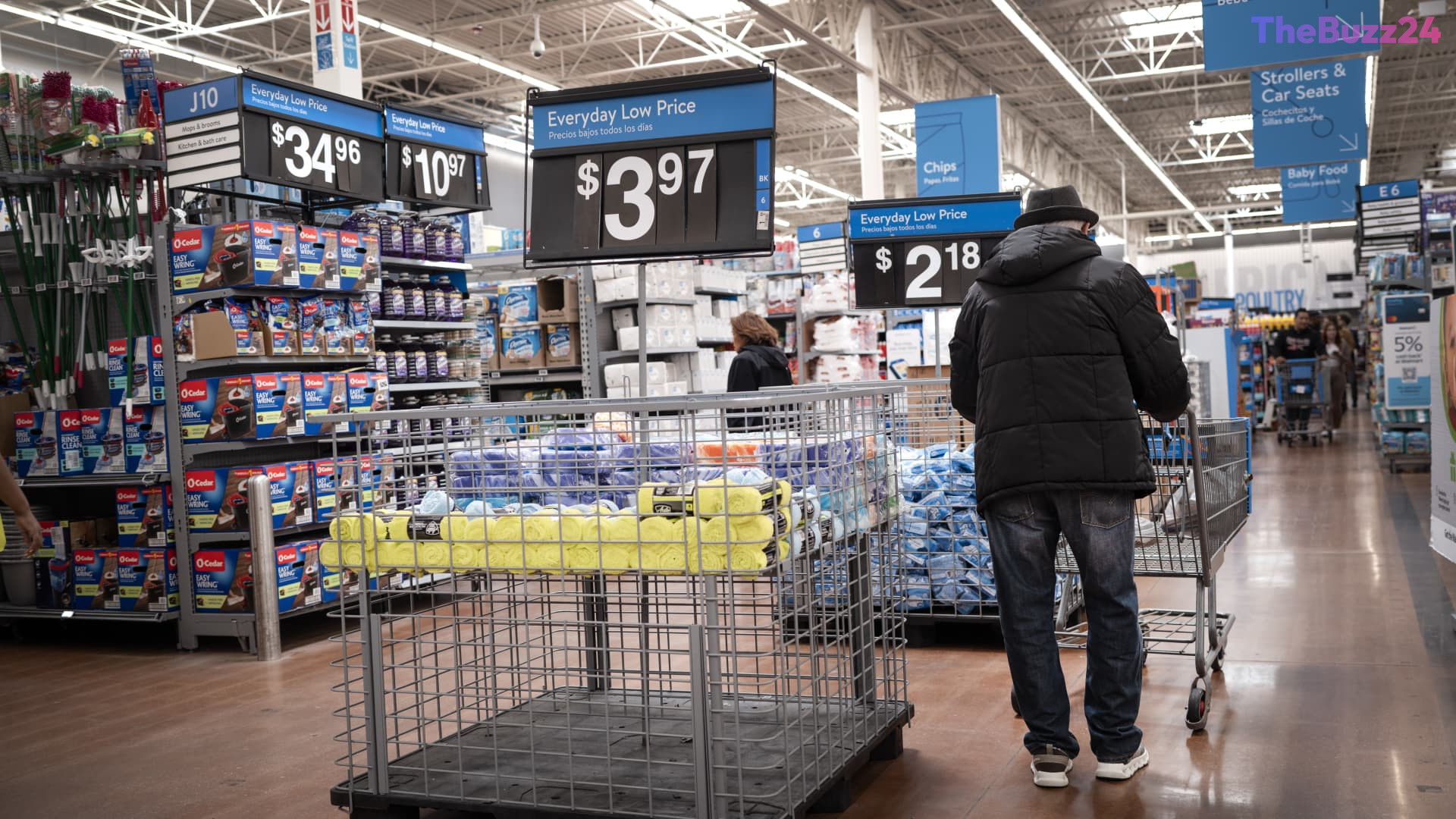
A significant number of major U.S. corporations are moving ahead with multi-billion dollar tariff refund claims, effectively challenging recent political rhetoric that discouraged such actions. Despite warnings that seeking these reimbursements could invite scrutiny or negative public perception, industry leaders including Walmart, Apple, Nike, Home Depot, General Motors, FedEx, and Costco are prioritizing their fiduciary duties to shareholders. The financial stakes are substantial, with an estimated $166 billion in total duties potentially eligible for recovery.
Initially, the threat of political friction caused many executives to pause, fearing that pursuing these funds might lead to retaliatory measures. However, the sheer scale of the capital involved has forced a shift in strategy. Many firms are now actively navigating the political landscape by framing their refund requests as a benefit to the broader economy. By emphasizing that these funds will be used to stabilize consumer prices or fuel domestic innovation, companies are attempting to align their fiscal recovery efforts with national economic interests.
This trend highlights a growing divide between corporate financial strategy and government attempts to influence private sector behavior. With more than $35 billion already processed and returned to businesses, the momentum behind these claims suggests that the imperative to protect bottom lines and shareholder interests remains the primary driver for these organizations. As more companies move forward with their filings, the ongoing effort underscores the limits of political pressure when faced with significant corporate fiscal incentives.
Key Takeaways
- Major U.S. corporations are defying political warnings to pursue billions of dollars in tariff refunds.
- Companies are justifying the claims by pledging to reinvest funds into consumer price stability and domestic innovation.
- Over $35 billion has already been returned, signaling that financial incentives are outweighing the risk of political fallout.
Editor’s Analysis & Impact
The ongoing push for tariff refunds by major U.S. corporations signals a shift in the power dynamic between the private sector and federal regulators. By prioritizing shareholder value, these companies are asserting their autonomy in fiscal decision-making, even when faced with explicit political pressure. This trend suggests that in a high-inflation environment, the pressure to maintain competitive pricing and protect profit margins will almost always supersede political alignment. Looking ahead, this could lead to a more adversarial relationship between large-cap firms and the administration, as corporations continue to leverage legal avenues to recover costs. The broader implication is a potential hardening of corporate policy, where firms become increasingly resistant to ‘jawboning’ tactics, opting instead to rely on legal and financial frameworks to protect their balance sheets.
Frequently Asked Questions
Q: Why are companies seeking these tariff refunds now?
A: Companies are seeking these refunds to recover significant capital—totaling up to $166 billion—which they argue is necessary to maintain competitive pricing for consumers and support domestic investment.
Q: What is the primary risk for companies pursuing these refunds?
A: The primary risk is potential political fallout, including public criticism or retaliatory measures from the administration, which had previously suggested that companies should avoid seeking these funds.
AI Disclosure: This article is based on verified data and official reports. Our Team and AI have cross-referenced every financial detail with primary sources to ensure total accuracy.
More from this Category