The $2 Trillion Question: How the Anticipated SpaceX IPO Could Ignite a Market Bubble
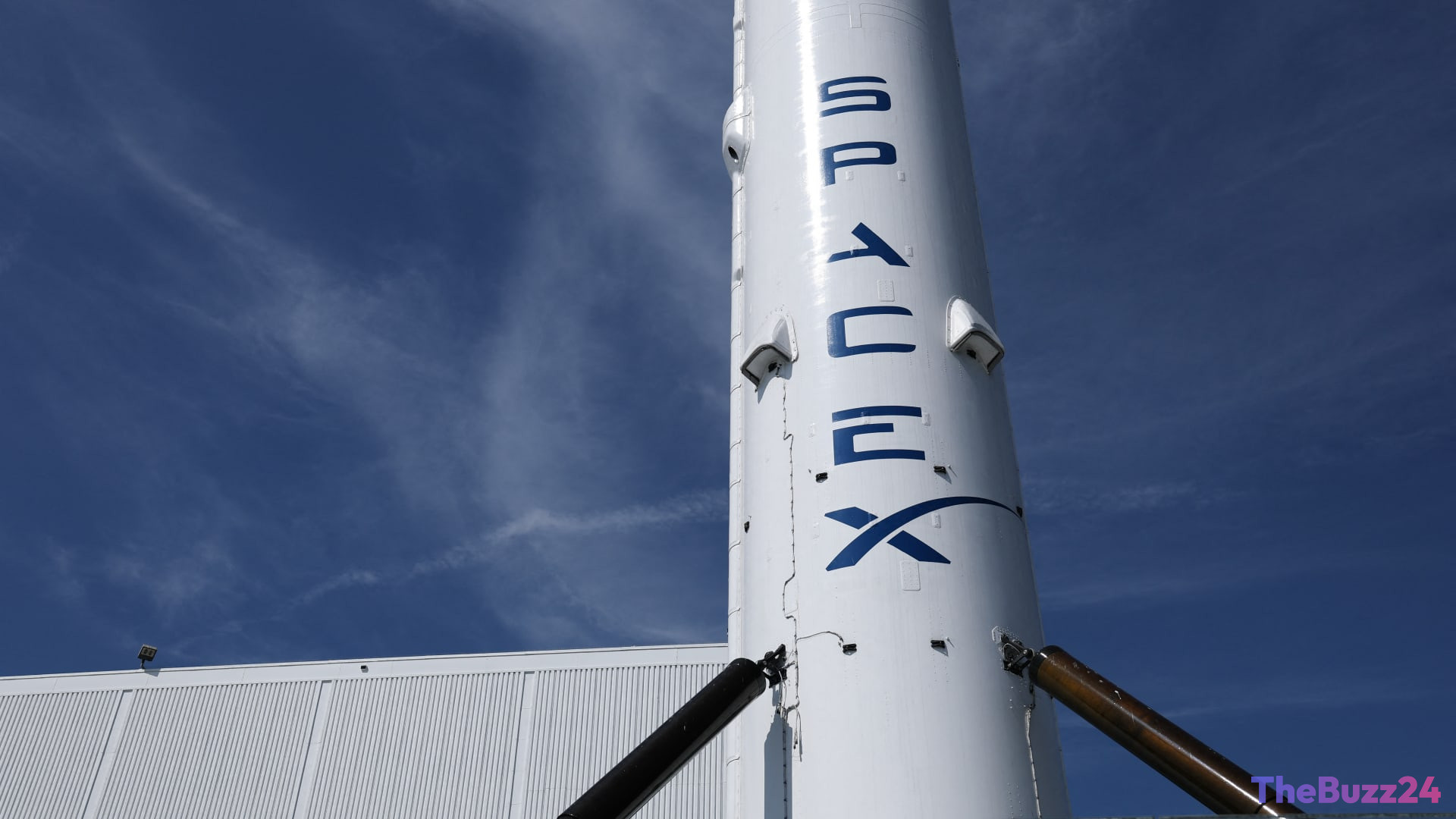
The financial world is bracing for what could be one of the most monumental public debuts in history, as anticipation builds around a potential initial public offering (IPO) for SpaceX. The aerospace giant, which has expanded its footprint to include the Starlink satellite constellation, the X social media platform, and the Grok AI initiative, is projected to command a staggering valuation between $1.75 trillion and $2 trillion. However, this astronomical figure has sparked intense debate among financial analysts, who warn that the sheer scale of the offering could trigger unprecedented speculative behavior.
At the heart of the concern is the risk of a severe supply-demand imbalance. If underwriters opt to release only a limited float of shares to the public, the overwhelming demand could artificially drive the stock price upward. Some analysts caution that such a supply squeeze could propel the company’s valuation toward an unsustainable $5 trillion. This potential trajectory draws uneasy comparisons to the dot-com era, where speculative frenzy detached stock prices from fundamental values, raising fears of a localized market bubble that could eventually burst and trigger a sharp correction.
Beyond the immediate valuation risks, the SpaceX IPO is being watched as a critical bellwether for the broader technology and artificial intelligence sectors. A highly publicized, volatile debut could set the tone for other mega-cap private firms, such as OpenAI and Anthropic, contemplating their own public listings. However, the massive influx of new equity could also drain liquidity from the wider market, as both retail and institutional investors may be forced to liquidate existing positions to free up capital for SpaceX shares, potentially putting downward pressure on established tech stocks.
Key Takeaways
- SpaceX is reportedly preparing for an IPO that could value the conglomerate between $1.75 trillion and $2 trillion.
- Analysts warn that a limited initial share float could artificially inflate the stock price, risking a dot-com-style speculative bubble.
- The massive capital requirements of the IPO could drain liquidity from other sectors, impacting the listing strategies of AI firms like OpenAI and Anthropic.
Editor’s Analysis & Impact
The potential public debut of SpaceX represents a watershed moment for modern capital markets, bridging the gap between aerospace, telecommunications, and artificial intelligence. However, a valuation of this magnitude introduces systemic risks. If the IPO triggers a speculative frenzy, it could distort valuations across the entire tech sector, which is already trading at premium multiples. Furthermore, the sheer size of the offering could act as a liquidity sponge, draining capital from established equities as institutional portfolios rebalance to accommodate SpaceX. This shift could induce short-term market volatility. Ultimately, the execution of this IPO will serve as a critical test of market depth and underwriting discipline, setting the precedent for how future mega-cap technology firms transition to the public sphere.
Frequently Asked Questions
Q: What is the estimated valuation for the SpaceX IPO?
A: Current market projections estimate that SpaceX, which encompasses Starlink, X, and Grok AI, could seek a valuation between $1.75 trillion and $2 trillion.
Q: Why are analysts concerned about a potential market bubble?
A: If underwriters limit the number of shares available at launch, high demand could artificially inflate the stock price to unsustainable levels, potentially pushing the valuation toward $5 trillion before a sharp market correction occurs.
Q: How could the SpaceX IPO impact other tech companies?
A: While a successful IPO could encourage other major AI firms like OpenAI to go public, the massive demand for SpaceX shares might force investors to sell off their existing tech holdings, creating downward pressure on the broader market.
AI Disclosure: This article is based on verified data and official reports. Our Team and AI have cross-referenced every financial detail with primary sources to ensure total accuracy.
More from this Category