Science Corporation Advances Biohybrid Brain-Computer Interface Toward Human Trials
Science Corporation, the neurotechnology startup established by former Neuralink co-founder Max Hodak, is moving closer to launching human clinical trials for its innovative biohybrid brain-computer interface. To guide this transition, the company has appointed Dr. Murat Günel, chair of Yale Medical School’s Department of Neurosurgery, as a scientific adviser. Dr. Günel will oversee the surgical implementation of the company’s proprietary sensor technology, which aims to bridge the gap between biological neural networks and digital systems.
Founded in 2021, the company recently solidified its financial standing with a $230 million Series C funding round, bringing its valuation to $1.5 billion. Beyond its long-term brain-interface ambitions, Science Corporation is actively pursuing the commercialization of its PRIMA device. Acquired in 2024, this technology is designed to restore vision for patients with macular degeneration. The company is currently seeking regulatory approval to launch the device in European markets, potentially within the current year.
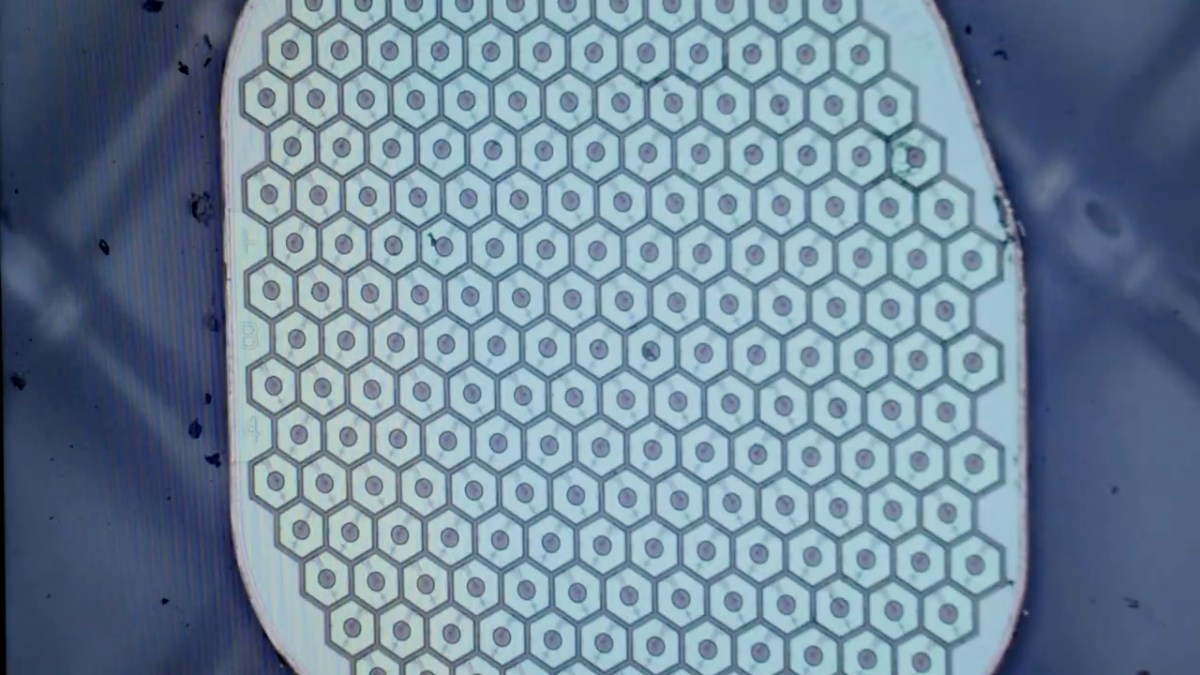
Unlike traditional brain-computer interfaces that rely on metal probes, Science Corporation is developing a biohybrid sensor that utilizes lab-grown neurons to integrate more naturally with human brain tissue. This approach is intended to minimize the tissue damage and signal degradation often associated with rigid electrodes. The initial human trials will focus on testing the sensor’s safety and efficacy by placing the pea-sized device on the surface of the cortex in patients already undergoing neurosurgery. While the company is optimistic about the technology’s potential to treat conditions like Parkinson’s disease and epilepsy, experts suggest that widespread clinical implementation remains a multi-year endeavor, with significant milestones expected toward 2027.
Key Takeaways
- Science Corporation is developing a biohybrid brain interface that uses lab-grown neurons to reduce tissue damage compared to traditional metal electrodes.
- The company has secured $230 million in Series C funding and is preparing for initial human safety trials under the guidance of Yale neurosurgeon Dr. Murat Günel.
- Beyond brain-computer interfaces, the firm is working to bring its PRIMA vision-restoration device to the European market following successful clinical trials.
Editor’s Analysis & Impact
The neurotechnology sector is currently witnessing a shift from purely electronic interfaces toward biohybrid solutions that prioritize long-term biocompatibility. Science Corporation’s strategy of utilizing lab-grown neurons represents a significant departure from the invasive, rigid probes favored by competitors. By focusing on a ‘surface-level’ integration rather than deep-tissue penetration, the company is attempting to lower the barrier for clinical adoption and reduce the risk of chronic inflammation or signal loss. If successful, this technology could revolutionize the treatment of neurodegenerative diseases like Parkinson’s and ALS. However, the company faces a complex regulatory and ethical landscape. The decision to bypass immediate FDA approval for initial trials suggests a calculated, incremental approach to safety validation, though it may invite increased scrutiny from medical ethics boards as the technology moves toward more complex, permanent neural integration.
Frequently Asked Questions
Q: How does Science Corporation's sensor differ from traditional brain-computer interfaces?
A: Traditional interfaces often use rigid metal probes that can damage brain tissue over time. Science Corporation uses a biohybrid approach, incorporating lab-grown neurons designed to integrate naturally with the patient's existing brain cells.
Q: What is the primary goal of the PRIMA device?
A: The PRIMA device is designed to restore vision in individuals suffering from macular degeneration and similar degenerative eye conditions.
AI Disclosure: This article is based on verified data and official reports. Our Team and AI have cross-referenced every financial detail with primary sources to ensure total accuracy.
More from this Category