Memory Chip Giants Face Market Volatility Amid China Competition and Long-Term Oversupply Fears
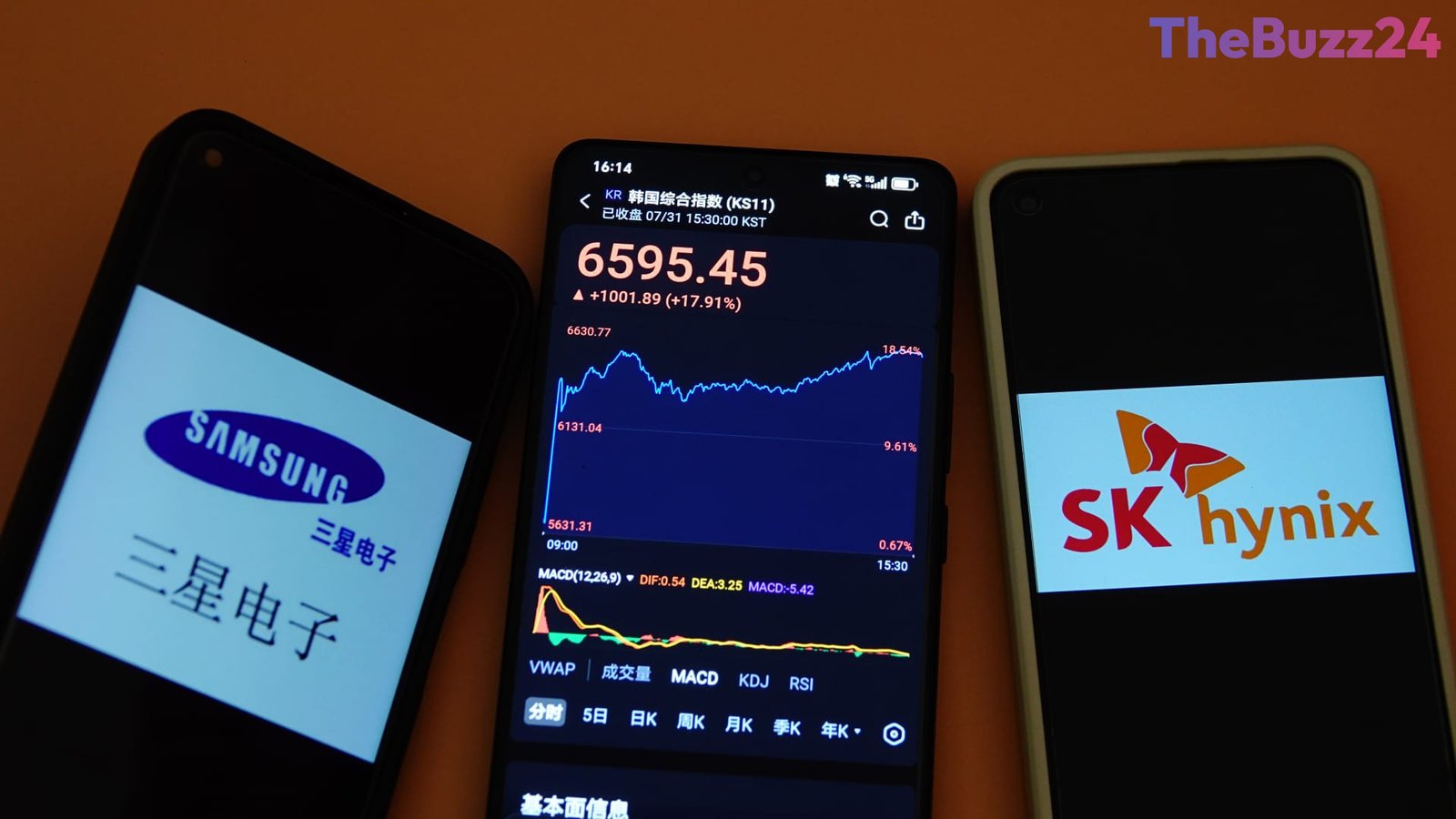
Major memory chip manufacturers, including SK Hynix, Samsung, and Micron, have experienced significant stock price declines this week as investors weigh concerns over emerging competition from China and the potential for a long-term market oversupply. The sector, which has enjoyed a massive rally driven by the artificial intelligence boom, is now facing a period of intense scrutiny regarding the sustainability of its current growth trajectory.
Market anxiety was initially triggered by reports that ChangXin Memory Technologies (CXMT), a leading Chinese memory producer, is developing server memory products with advanced architecture. While some market observers fear this could erode the global market share of established incumbents, industry analysts remain skeptical about CXMT’s ability to scale production efficiently. Experts point out that architectural breakthroughs do not automatically translate to high-yield manufacturing, suggesting that the immediate impact on global supply-demand dynamics may be limited.
Further pressure stems from speculation regarding the industry’s long-term outlook. Recent discussions in South Korean media have highlighted concerns that the memory market could face a significant supply glut by 2029, potentially ending the current supercycle. While some analysts warn of a transition into a ‘red ocean’ market, others argue that the industry has entered a ‘New Normal.’ This shift is characterized by long-term agreements between suppliers and buyers that include price floors and ceilings, which are designed to mitigate the volatility historically associated with the traditional boom-and-bust cycles of the semiconductor industry.
Key Takeaways
- Major memory chip stocks like SK Hynix, Samsung, and Micron have seen double-digit percentage declines amid broader market volatility.
- Concerns over Chinese firm CXMT's technological advancements are being tempered by analyst skepticism regarding their ability to achieve high-yield, large-scale production.
- The industry may be shifting toward a 'New Normal' where long-term supply agreements help stabilize prices, potentially softening the impact of future cyclical downturns.
Editor’s Analysis & Impact
The current sell-off in memory chip stocks reflects a classic market reaction to uncertainty regarding the longevity of the AI-driven supercycle. While the fear of a 2029 oversupply is a valid long-term consideration, it is currently being exacerbated by short-term sentiment and geopolitical anxiety surrounding China’s technological ambitions. The semiconductor industry is notoriously cyclical, but the structural shift toward long-term supply agreements (LTAs) suggests that the next downturn may not mirror the catastrophic price collapses of the past. Investors should focus on the transition from consumer-driven demand to data-center-heavy demand, which provides a more stable foundation for revenue. However, the ability of incumbents to maintain their technological moat against state-backed Chinese competitors remains the primary risk factor for the next five years.
Frequently Asked Questions
Q: Why are investors worried about CXMT's new memory architecture?
A: Investors fear that if CXMT successfully scales its new, higher-density memory products, it could capture global market share from established leaders like Samsung, SK Hynix, and Micron, thereby increasing supply and lowering prices.
Q: What is the 'New Normal' in the memory chip market?
A: The 'New Normal' refers to a shift in industry practices where suppliers and buyers enter into 3- to 5-year long-term agreements. These contracts often include upfront payments and established price limits, which are intended to prevent the extreme price volatility seen in previous market cycles.
AI Disclosure: This article is based on verified data and official reports. Our Team and AI have cross-referenced every financial detail with primary sources to ensure total accuracy.
More from this Category