Nvidia CEO Jensen Huang Advocates for Global AI Safety Cooperation with China
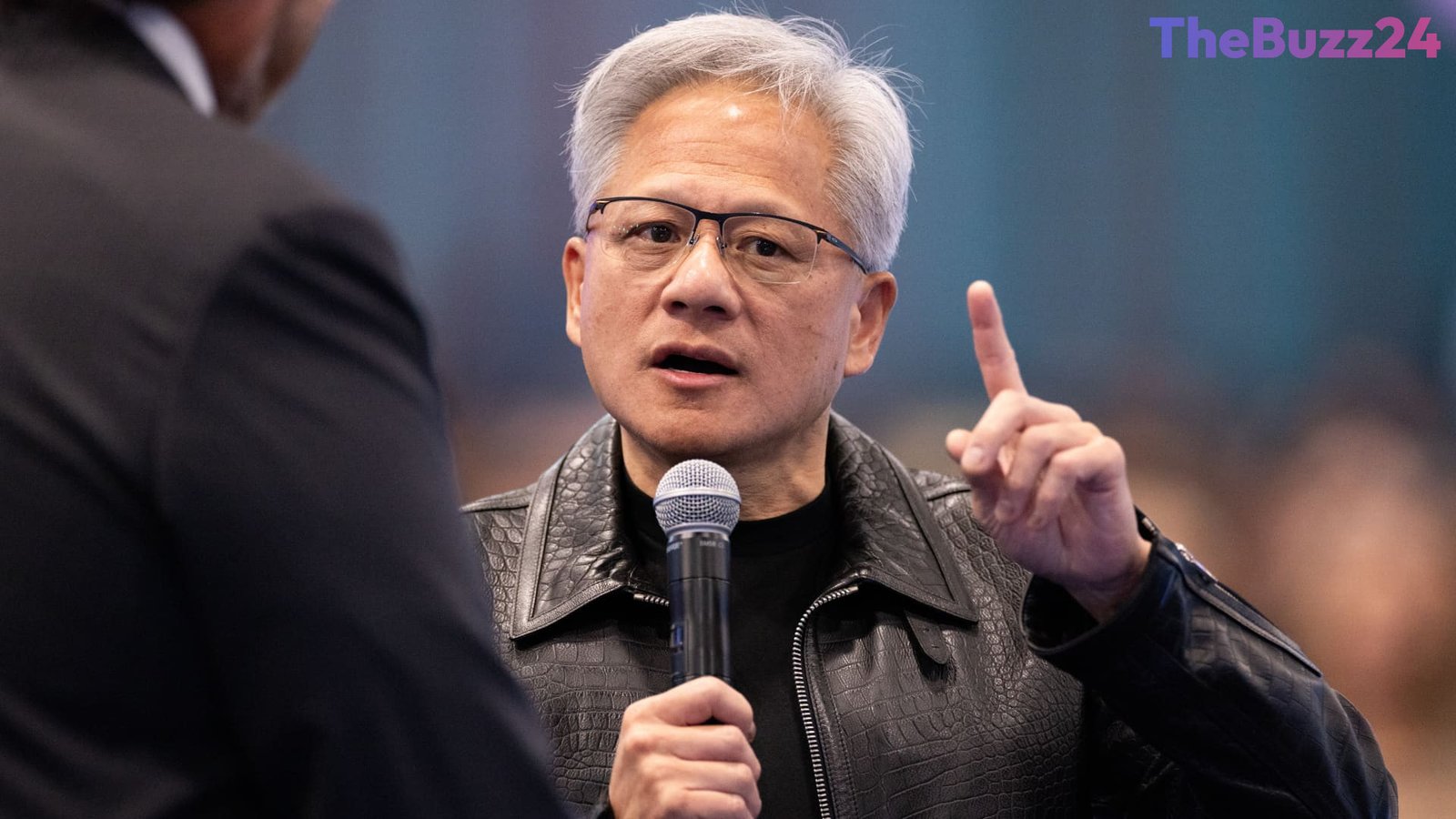
Nvidia CEO Jensen Huang has emphasized the critical necessity for international collaboration regarding artificial intelligence, specifically urging for open channels of communication with Chinese AI researchers. Huang highlighted that as AI technology continues to advance at a rapid pace, it carries inherent risks that necessitate a unified approach to safety monitoring and risk mitigation. By fostering dialogue between the United States, the United Kingdom, and China, the industry can better navigate the complexities of this powerful technology.
While some prominent figures in the AI sector have called for stricter government regulations and a potential slowdown in development, Huang has positioned himself as a proponent of collaborative dialogue over heavy-handed oversight. He argues that maintaining active communication with Chinese counterparts is essential for ensuring that the global development of AI remains safe and beneficial. Huang has actively encouraged both U.S. and U.K. officials to prioritize these diplomatic efforts to establish a framework for shared safety standards.
This push for cooperation comes amid heightened geopolitical sensitivity regarding AI development. Both U.S. and Chinese leadership have acknowledged the potential for both competition and collaboration in the field. Recent discussions between high-level officials from both nations have signaled a willingness to explore channels for addressing national security concerns related to AI misuse. Huang believes that nations with significant intellectual capital, such as the U.K., are uniquely positioned to act as conveners for these vital international discussions.
Key Takeaways
- Nvidia CEO Jensen Huang is advocating for increased dialogue between the U.S., U.K., and China to manage AI safety risks.
- Huang opposes aggressive government regulation, favoring international cooperation and communication as the primary path to safe AI development.
- High-level government officials from the U.S. and China have begun exploring formal channels to discuss AI risks and prevent misuse.
Editor’s Analysis & Impact
Jensen Huang’s call for international AI dialogue reflects a strategic shift in how the tech industry views the intersection of innovation and geopolitics. By advocating for cooperation rather than restrictive regulation, Nvidia is attempting to maintain a global market environment where AI research can flourish without being stifled by fragmented, nationalistic policies. The industry impact is significant; if major powers can establish a baseline for AI safety, it reduces the likelihood of disruptive trade barriers and technological decoupling. However, the future outlook remains complex, as the dual-use nature of AI—applicable to both civilian and military sectors—makes total transparency difficult. The broader implication is that private sector leaders are increasingly acting as de facto diplomats, recognizing that the existential and economic stakes of AI development are too high to be managed by any single nation in isolation.
Frequently Asked Questions
Q: Why does Jensen Huang believe dialogue with China is necessary for AI safety?
A: Huang argues that because AI is a rapidly evolving and potentially dangerous technology, international cooperation is required to monitor risks and ensure that advancements are made safely across global borders.
Q: Does Jensen Huang support increased government regulation of AI?
A: No, Huang has emerged as a prominent voice against heavy-handed government regulation, preferring that the industry focus on collaborative dialogue and shared safety standards instead.
AI Disclosure: This article is based on verified data and official reports. Our Team and AI have cross-referenced every financial detail with primary sources to ensure total accuracy.
More from this Category