Relaxed U.S. Fuel Economy Rules Spark Revival for Pickups and V-8 Engines
Recent regulatory changes by the National Highway Traffic Safety Administration (NHTSA) lowering federal fuel economy requirements are delivering significant financial relief and strategic agility to major automakers in the United States. Following congressional action to eliminate monetary fines for compliance failures, the NHTSA reduced the required light-duty vehicle fleet average to 34.9 miles per gallon by 2031, down from an earlier target of 50.4 miles per gallon set in 2024. The policy adjustment, along with the end of credit trading between manufacturers, is expected to yield hundreds of millions of dollars in cost savings across the automotive sector.
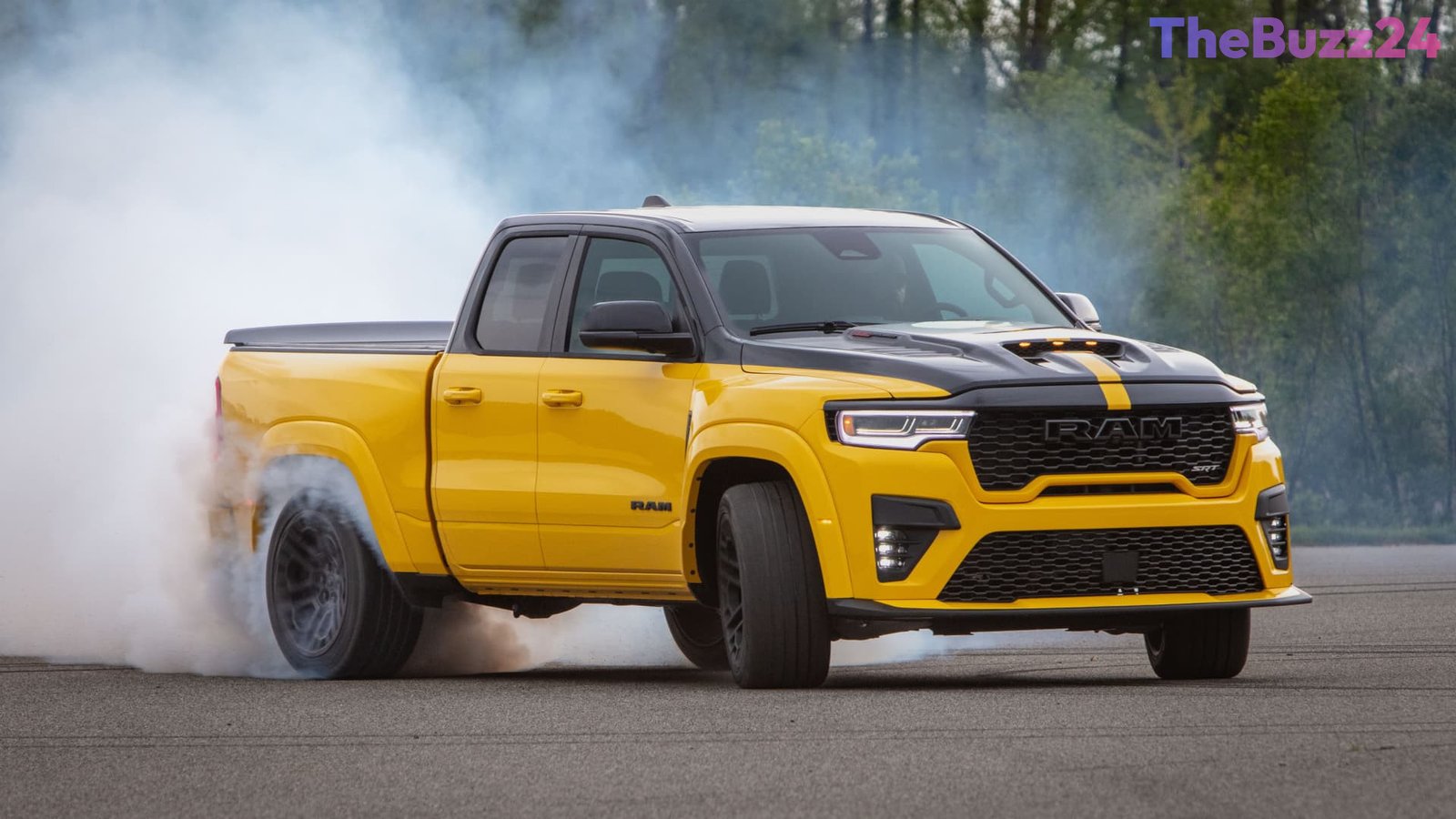
With regulatory pressure easing, legacy manufacturers including General Motors, Ford, and Stellantis are refocusing investment on high-margin segments, notably full-size pickup trucks and vehicles equipped with V-8 engines. Ford has expanded V-8 engine availability across its popular F-150 lineup, while General Motors announced investments in a new generation of small-block V-8 engines for its Chevrolet Silverado and GMC Sierra models. Stellantis’ Ram division has similarly reintroduced V-8 powertrains to its full-size truck line. Industry analysts point out that eliminating credit purchases and penalty fees gives companies the leeway to reduce production of lower-profit “compliance cars” and reallocate capital toward core profitability drivers.
This strategic shift follows substantial write-downs across the industry after aggressive early investments in fully electric vehicles yielded mixed financial results. Companies such as Ford, General Motors, Porsche, and Honda recently recorded billions of dollars in special charges and restructuring costs tied to scaled-back EV programs. Consequently, manufacturers are leaning heavily into hybrid powertrains, which are forecasted to expand from 14% of the market to over 34% by the end of the decade.
Despite the pivot toward internal combustion optimization and hybrids, long-term outlooks for electric vehicles remain resilient. Analysts highlight that electric vehicle owners demonstrate high brand loyalty and that multi-car households—a dominant demographic in the U.S. vehicle market—present ongoing opportunities for next-generation EV adoption as new, lower-cost models enter production.
Key Takeaways
- Federal fuel economy targets for 2031 have been lowered to 34.9 mpg, removing strict compliance fines for automakers.
- Automakers are redirecting capital into profitable V-8 pickup trucks, SUVs, and expanding hybrid vehicle offerings.
- Major car manufacturers are balancing EV investment write-downs with a dual strategy focused on high-margin internal combustion engines.
Editor’s Analysis & Impact
The decision to lower federal fuel economy standards and eliminate compliance penalties represents a critical turning point for the U.S. automotive industry. In the short term, legacy Detroit automakers will enjoy significant earnings boosts as capital moves away from low-margin regulatory compliance vehicles and toward lucrative pickup trucks and high-performance gas models. However, this regulatory relief also provides a necessary buffer for companies recovering from heavy EV write-downs. By leveraging strong cash flows from traditional V-8 lineups and surging hybrid demand, automakers can build healthier balance sheets. This financial cushion will prove vital as they navigate the long-term transition to next-generation electric and autonomous vehicle platforms.
Frequently Asked Questions
Q: What key change was made to U.S. fuel economy standards?
A: The federal government reduced the average light-duty fleet fuel economy target to 34.9 miles per gallon by 2031, down from a previously mandated goal of 50.4 miles per gallon, while also eliminating civil penalties for non-compliance.
Q: Why are automakers bringing back V-8 engines?
A: Without the threat of compliance fines or the need to buy credit offsets from zero-emission manufacturers, automakers can profitably satisfy strong consumer demand for larger engines in trucks and SUVs.
Q: How does this shift affect electric vehicle adoption?
A: While automakers are scaling back immediate capital expenditures on less profitable EV models, long-term growth is still anticipated due to high owner loyalty rates and strong appeal in multi-vehicle households.
AI Disclosure: This article is based on verified data and official reports. Our Team and AI have cross-referenced every financial detail with primary sources to ensure total accuracy.
More from this Category