NASA Confronts Electrostatic Hazard for Moonwalkers
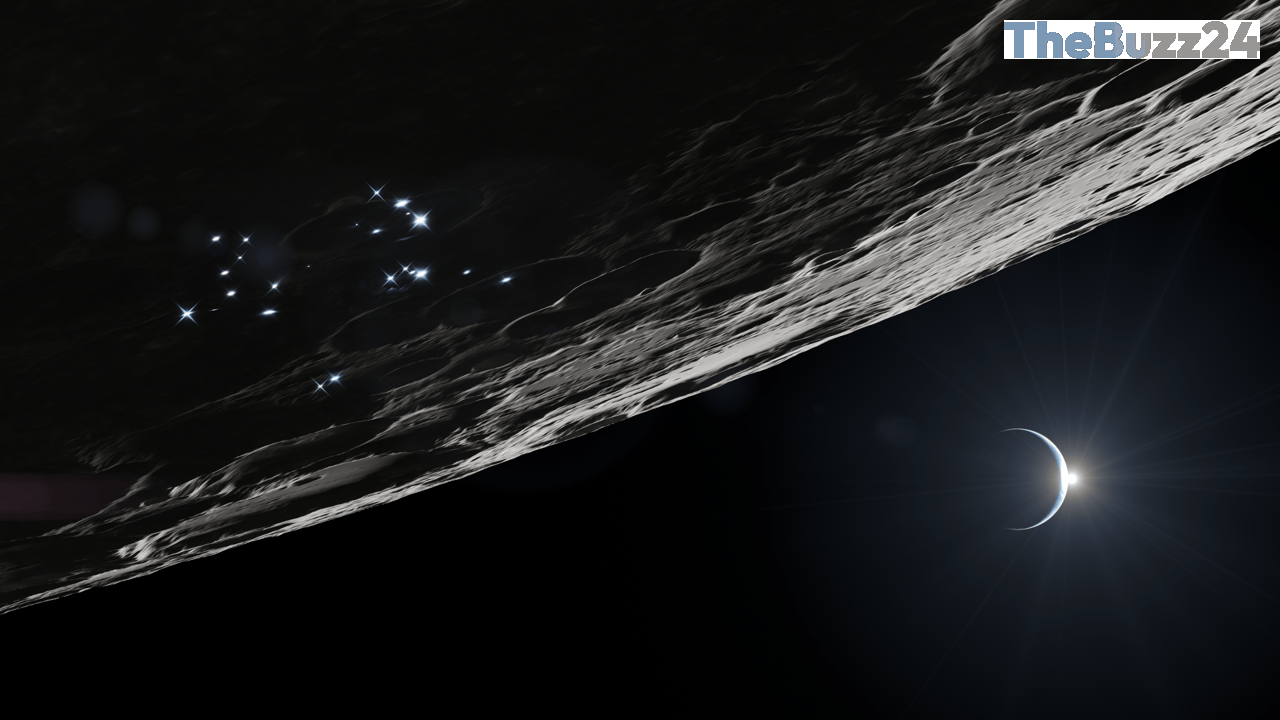
As humanity prepares for a return to the Moon, particularly the challenging South Pole region, NASA is actively addressing a critical safety concern: the risk of electrostatic discharge for astronauts. When traversing the lunar surface, especially in permanently shadowed regions (PSRs), astronauts’ spacesuits can accumulate a significant negative electrical charge. This phenomenon is primarily driven by tribocharging, caused by friction from walking on lunar regolith, and plasma charging from the ambient space environment. In the dark, cold confines of PSRs, the lack of ambient ion flux and photoelectron emission prevents this charge from naturally dissipating, turning an astronaut into a potential high-voltage capacitor.
The danger escalates when a highly charged astronaut attempts to re-enter their spacecraft. While the stationary lander in sunlit areas typically maintains a slightly positive electrical potential, the extreme voltage differential between the astronaut and the vehicle can trigger an instantaneous electrical arc, or spark, upon physical contact. Such a rapid discharge carries severe risks, including the degradation of vital spacesuit layers, damage to sensitive electronic components within the suit, a threat to the oxygen-rich internal environment, and the potential for dangerous electrical shocks to the crew.
To mitigate this serious threat, NASA has initiated the Lunar Grounding Challenge. This program seeks innovative designs and operational concepts that can provide a safe and timely method to bring a suited astronaut to electrical equilibrium. The goal is to neutralize the substantial triboelectric charge buildup on spacesuits during lunar surface extravehicular activities (EVAs) in the South Pole, thereby preventing electrostatic discharge before astronauts directly interact with their lander. This proactive approach underscores NASA’s commitment to ensuring the safety and success of future lunar missions.
Key Takeaways
- Astronauts on the lunar South Pole face significant electrostatic charge buildup on their spacesuits due to walking and plasma interaction, especially in shadowed regions.
- This charge poses a serious risk of electrostatic discharge (ESD) when astronauts approach their lander, potentially damaging equipment and endangering crew.
- NASA has launched the 'Lunar Grounding Challenge' to find innovative solutions for safely neutralizing astronauts' charge before they interact with spacecraft.
Editor’s Analysis & Impact
The challenge of electrostatic discharge on the lunar surface highlights a critical, yet often overlooked, aspect of space exploration safety. As NASA pushes towards sustained human presence on the Moon through the Artemis program, addressing such fundamental environmental hazards is paramount. Solutions emerging from the Lunar Grounding Challenge could spur significant advancements in spacesuit technology, material science, and spacecraft design, creating a safer operational environment for astronauts. This initiative not only safeguards future lunar missions but also sets a precedent for mitigating similar risks in other extraterrestrial environments. The broader implications extend to fostering innovation in charge dissipation technologies, potentially benefiting terrestrial applications where static electricity poses a threat.
Frequently Asked Questions
Q: Why is electrostatic discharge a problem for astronauts?
A: An electrostatic discharge (spark) can occur when a highly charged astronaut touches a spacecraft, risking damage to vital spacesuit layers and electronics, compromising the suit's oxygen environment, and delivering dangerous electrical shocks to the crew.
Q: What is the 'Lunar Grounding Challenge'?
A: It's a NASA initiative seeking innovative designs and operational solutions to safely discharge accumulated electrostatic charge from astronauts' spacesuits before they interact with their lander, ensuring crew safety during lunar surface extravehicular activities (EVAs).
AI Disclosure: This article is based on verified data and official reports. Our Team and AI have cross-referenced every financial detail with primary sources to ensure total accuracy.
More from this Category