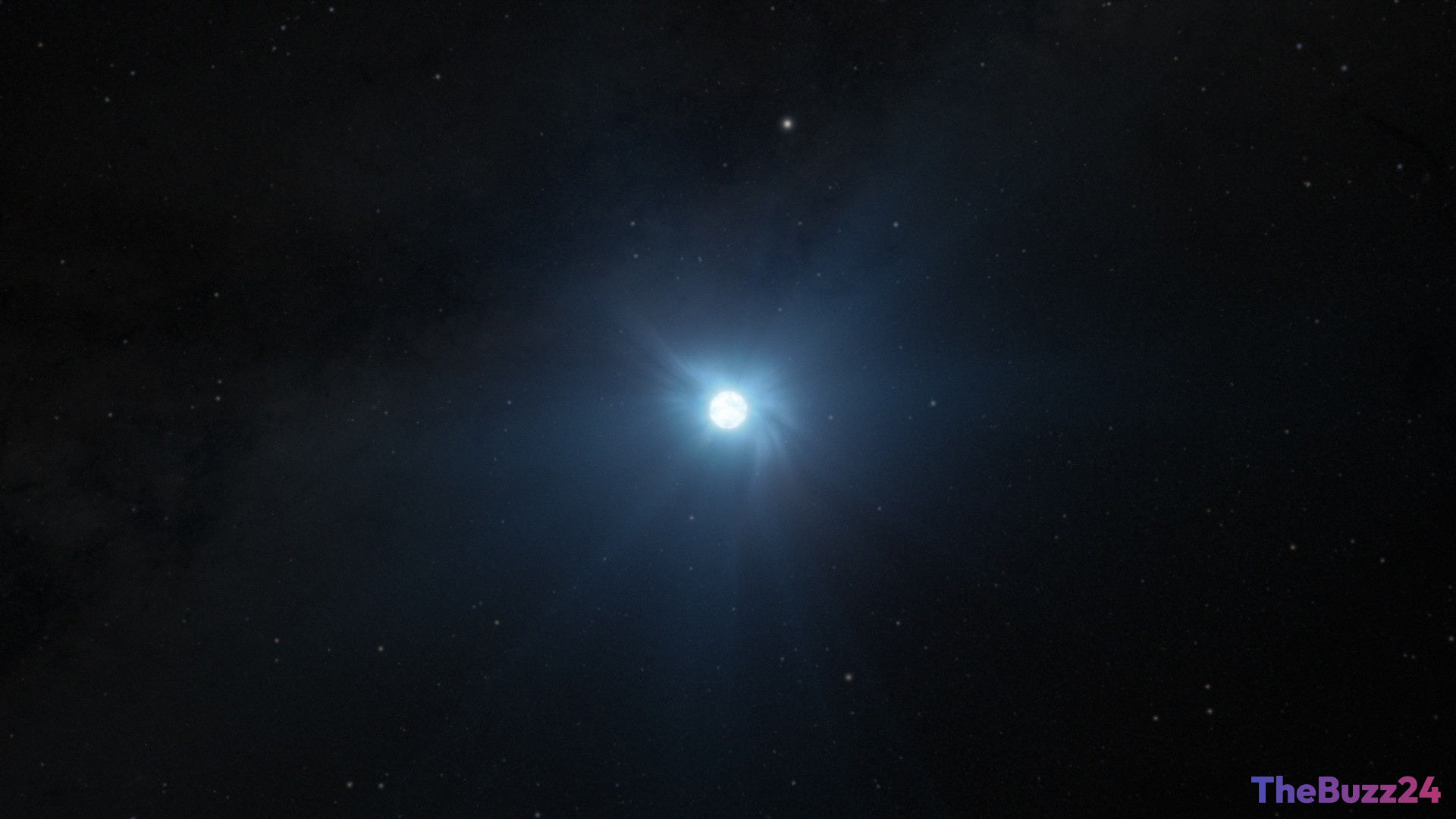
Mapping the Unseen: Roman Space Telescope to Reveal Hidden Neutron Stars
The Milky Way is populated by millions of neutron stars—the incredibly dense remnants left behind after massive stars collapse—yet the vast majority of these objects remain shrouded in mystery. Because many of these remnants do not emit detectable light or radio pulses, they have historically evaded traditional observation methods, creating a significant void in our understanding of stellar life cycles. The upcoming Nancy Grace Roman Space Telescope is poised to bridge this gap by utilizing the phenomenon of gravitational microlensing to identify these elusive celestial bodies.
By systematically monitoring millions of stars within the Galactic Bulge, the telescope will detect instances where a dense, unseen object passes directly between Earth and a distant background star. The intense gravity of the foreground object warps space-time, causing a temporary and measurable shift in the background star’s brightness and position. Unlike previous instruments that focused primarily on brightness fluctuations, the Roman Space Telescope utilizes advanced astrometric precision to track minute, elliptical shifts in position. This capability allows astronomers to calculate the mass of the foreground object, effectively weighing isolated neutron stars for the first time.
This mission represents a transformative shift in deep-space research, as it enables the study of stellar remnants that exist outside of binary systems. Previously, scientific observation was largely limited to neutron stars paired with other stars. By analyzing a broader and more representative sample, researchers aim to better understand the violent forces involved in stellar formation and determine the precise mass thresholds that distinguish neutron stars from black holes. Originally designed for exoplanet detection, the telescope’s Galactic Bulge Time Domain Survey will now provide a comprehensive census of the galaxy’s most mysterious and dense matter.
Key Takeaways
- The Nancy Grace Roman Space Telescope will use gravitational microlensing to detect invisible neutron stars in the Milky Way.
- Advanced astrometric precision allows the telescope to weigh isolated neutron stars, a feat previously impossible for non-binary systems.
- The mission will help define the mass thresholds between neutron stars and black holes while studying the dynamics of stellar formation.
Editor’s Analysis & Impact
The deployment of the Nancy Grace Roman Space Telescope marks a pivotal moment in high-energy astrophysics. By pivoting from its primary exoplanet-hunting mission to include a comprehensive survey of the Galactic Bulge, the project demonstrates the versatility of modern space-based observatories. The ability to measure the mass of isolated neutron stars addresses a fundamental ‘blind spot’ in stellar evolution models. From a broader industry perspective, this mission highlights the increasing importance of astrometric precision in deep-space exploration. As we move toward a more granular understanding of the galaxy’s composition, the data gathered will likely refine our physical laws regarding the densest matter in the universe. This shift toward large-scale, time-domain surveys suggests a future where space telescopes function as multi-purpose tools, maximizing scientific return on investment and accelerating our timeline for mapping the invisible components of the cosmos.
Frequently Asked Questions
Q: Why are neutron stars difficult to detect?
A: Many neutron stars do not emit detectable radio pulses or light, making them invisible to traditional telescopes that rely on electromagnetic radiation.
Q: How does the Roman Space Telescope 'weigh' a star?
A: It uses gravitational microlensing, where the gravity of a foreground object warps space-time. By tracking the precise positional shift of a background star, scientists can calculate the mass of the foreground object causing the distortion.
AI Disclosure: This article is based on verified data and official reports. Our Team and AI have cross-referenced every financial detail with primary sources to ensure total accuracy.
More from this Category