Oil Prices Surge as Strait of Hormuz Tensions Escalate
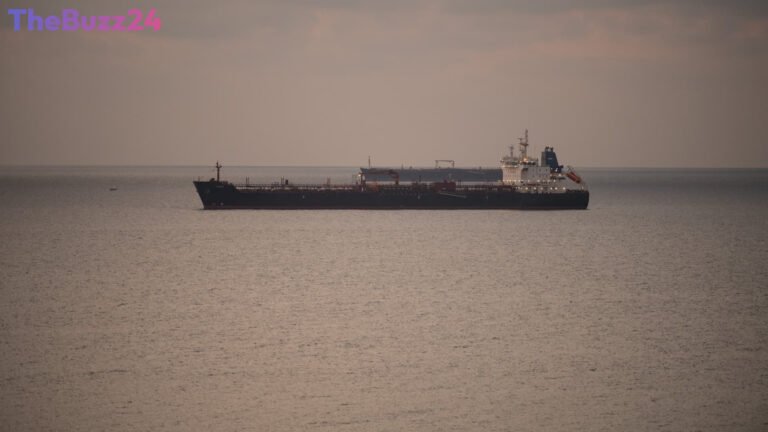
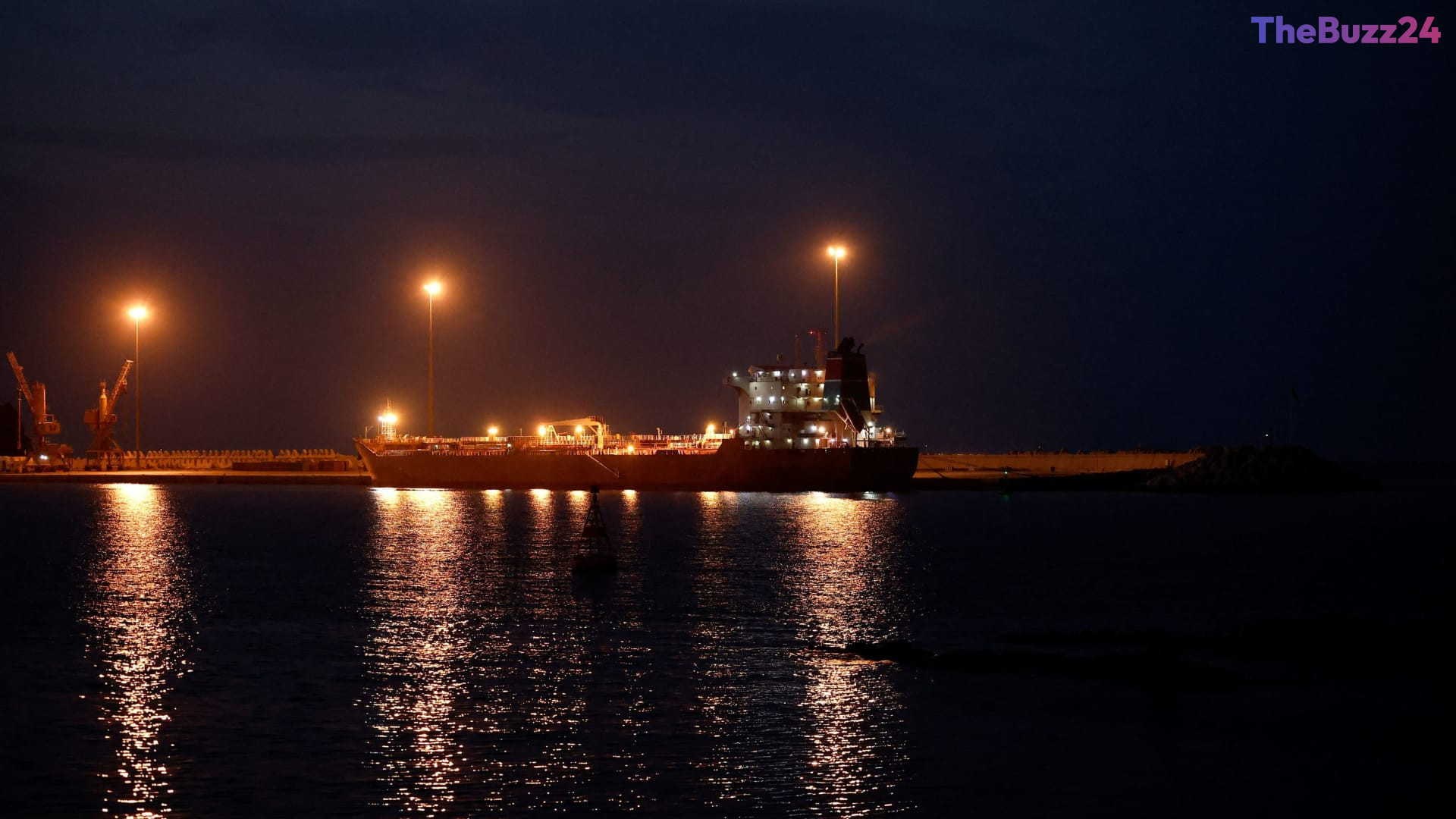
Global oil markets experienced a significant rally this week, driven by escalating geopolitical tensions in the strategically vital Strait of Hormuz. The surge in crude prices reflects growing investor anxiety over heightened diplomatic friction and the potential for a wider regional conflict that could disrupt critical energy transit routes.
In response to the uncertainty, financial markets saw Brent crude futures for July climb by nearly 2%, reaching $111.42 per barrel. U.S. West Texas Intermediate futures for June also posted substantial gains, increasing by over 2.4% to $107.98 per barrel. These figures mark the highest valuations for both benchmarks this month, underscoring the market’s acute sensitivity to any instability affecting the Strait of Hormuz, a waterway through which approximately one-fifth of the world’s oil and gas supply is transported.
Adding to the market’s volatility are mounting concerns about the state of global energy reserves. Recent data suggests that disruptions to key transit routes are placing considerable strain on international energy buffers. Projections indicate that if current consumption rates persist, global oil inventories could plummet to historic lows of around 7.6 billion barrels by the end of May. This precarious supply-demand imbalance, coupled with the looming threat of further maritime disruptions, is creating a challenging environment for energy traders and consumers worldwide.
Key Takeaways
- Crude oil prices have reached monthly highs due to rising geopolitical tensions near the Strait of Hormuz.
- Brent and WTI futures saw significant gains, reflecting fears of potential supply chain disruptions.
- Global oil inventories are forecasted to hit record lows if current consumption trends continue.
Editor’s Analysis & Impact
The current spike in oil prices underscores the global economy’s deep-seated vulnerability to geopolitical flashpoints, particularly those impacting critical energy chokepoints like the Strait of Hormuz. This situation introduces an immediate ‘risk premium’ into commodity markets, with potential inflationary consequences for global manufacturing and consumer prices. Should diplomatic efforts fail to de-escalate the situation, nations may accelerate strategies for diversifying energy supply routes and bolstering strategic reserves. The market is currently pricing in a heightened risk of disruption, suggesting that elevated volatility is likely to persist until a tangible de-escalation occurs, potentially influencing central bank decisions on interest rates.
Frequently Asked Questions
Q: Why is the Strait of Hormuz so crucial for global oil prices?
A: The Strait of Hormuz is a vital maritime chokepoint, essential for transporting roughly 20% of the world's total oil and gas supply. Any threat to this passage immediately raises concerns about supply availability, leading to price increases.
Q: What factors are contributing to the depletion of global oil reserves?
A: The depletion of global oil reserves is a result of a combination of sustained high global consumption and restricted oil flow due to disruptions in key transit routes, which hinders the efficient delivery of supply to markets.
AI Disclosure: This article is based on verified data and official reports. Our Team and AI have cross-referenced every financial detail with primary sources to ensure total accuracy.
More from this Category