OPEC+ Advances Production Quota Hikes Amid Strait of Hormuz Recovery
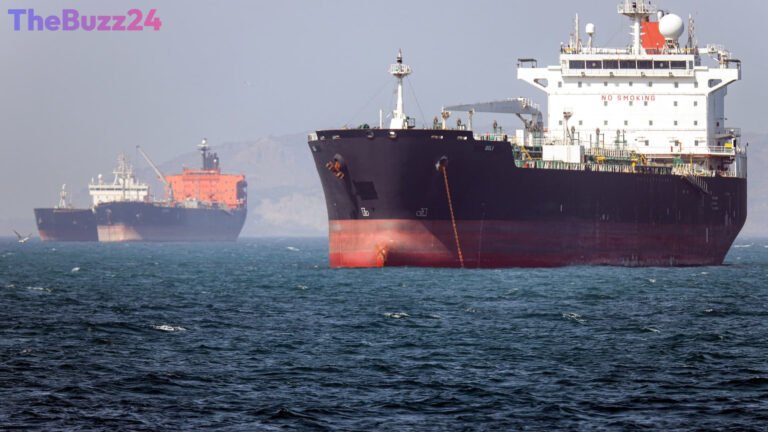
OPEC+ has officially sanctioned a further increase in oil production targets set to take effect in August. This decision marks a continued effort by the coalition to restore global supply levels as the Strait of Hormuz begins to see a gradual resumption of tanker traffic. The group confirmed that quotas will rise by 188,000 barrels per day (bpd), building upon the incremental increases implemented throughout June and July.
While the core members of the alliance have collectively raised output quotas by nearly 800,000 bpd since April, actual production has faced significant hurdles. Regional geopolitical tensions, specifically the conflict involving Iran, had previously shuttered the Strait of Hormuz, severely restricting exports for major producers like Saudi Arabia, Kuwait, and Iraq. Although production figures plummeted from 42.77 million bpd in February to 33.13 million bpd in May, recent diplomatic efforts and improved maritime access have allowed for a slow recovery.
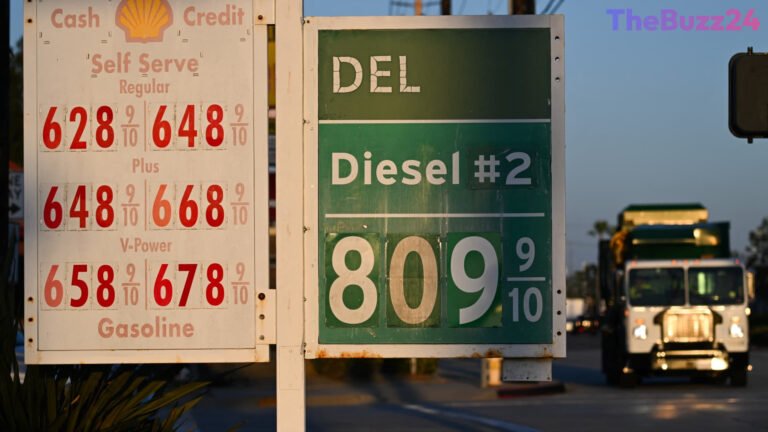
Market dynamics remain complex as oil prices have retreated from their post-conflict highs, settling near $72 per barrel. This downward pressure is attributed to a combination of reduced Chinese import demand, increased output from non-Middle Eastern producers, and coordinated releases from global strategic petroleum reserves. Meanwhile, the internal structure of OPEC+ continues to evolve, following the departure of the United Arab Emirates in April and ongoing internal pressure from nations like Iraq seeking higher individual production quotas.
Looking ahead, the alliance is nearing the completion of its 2023 production cut rollback. Should the group proceed with a similar increase in September, the original 1.65 million bpd supply reduction will be effectively unwound, signaling a return to pre-conflict operational strategies for the remaining core members.
Key Takeaways
- OPEC+ will increase production quotas by 188,000 bpd in August as maritime trade through the Strait of Hormuz stabilizes.
- Global oil prices have stabilized near $72 per barrel, influenced by cooling Chinese demand and increased supply from non-OPEC nations.
- The alliance is nearing the full reversal of its 2023 production cuts, with a final adjustment potentially arriving in September.
Editor’s Analysis & Impact
The decision by OPEC+ to continue unwinding production cuts reflects a strategic pivot toward market normalization despite lingering geopolitical volatility. By maintaining a steady increase in quotas, the group is attempting to balance the need for revenue with the reality of a cooling global demand environment, particularly in China. The recovery of the Strait of Hormuz as a viable export route is the most critical variable; any further disruption would likely trigger immediate price spikes, rendering current quota plans obsolete. Furthermore, the departure of the UAE and the internal friction regarding quota allocations suggest that the group’s cohesion may be tested in the coming months. Investors should monitor the upcoming August 2 meeting closely, as the completion of the 2023 cut rollback will force the alliance to define a new long-term production strategy in a post-conflict energy landscape.
Frequently Asked Questions
Q: Why are oil prices lower than they were earlier this year?
A: Prices have declined due to a combination of lower import demand from China, increased production from countries outside the Middle East, and the release of strategic oil reserves by international agencies.
Q: What is the significance of the Strait of Hormuz for OPEC+?
A: The Strait of Hormuz is a vital maritime chokepoint for global oil exports. Its closure due to regional conflict significantly hindered the ability of major producers like Saudi Arabia and Iraq to get their oil to market, causing supply disruptions.
AI Disclosure: This article is based on verified data and official reports. Our Team and AI have cross-referenced every financial detail with primary sources to ensure total accuracy.
More from this Category