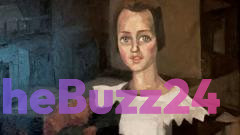
Nazi-Looted Masterpiece Discovered in Home of Dutch SS Commander’s Descendants
A long-lost painting stolen from a prominent Jewish art collector during World War II has been discovered in the private residence of the descendants of a notorious Dutch SS collaborator. The artwork, titled *Portrait of a Young Girl* by Dutch artist Toon Kelder, had reportedly hung for decades in the home of the family of Hendrik Seyffardt, a Dutch general who led a volunteer Waffen-SS unit on the Eastern Front before his assassination by resistance fighters in 1943.
The breakthrough came when a descendant of Seyffardt, deeply unsettled by the realization of his family’s history, contacted renowned art detective Arthur Brand. The whistleblower had confronted his grandmother about the painting, who allegedly admitted it was “Jewish looted art” stolen from the famous collector Jacques Goudstikker, warning him to keep it a secret. Brand’s subsequent investigation confirmed the painting’s provenance. He identified the number “92” etched into the frame, matching records from a forced 1940 auction where Nazi leader Hermann Goering liquidated Goudstikker’s plundered collection after the dealer died while fleeing the Nazi invasion.
While the family—who changed their name after the war—initially denied knowing the painting’s illicit origins in public statements, the whistleblower has expressed deep shame and insisted the piece be returned to Goudstikker’s rightful heirs. Legal representatives for the Goudstikker estate have confirmed that the collector owned several works by Toon Kelder, validating the find. This discovery marks one of the most striking cases of Nazi-looted art recovery in recent years, highlighting the ongoing, complex struggle to repatriate stolen cultural heritage still hidden in private European homes.
Key Takeaways
- "Portrait of a Young Girl" by Toon Kelder, looted from Jewish art dealer Jacques Goudstikker in 1940, was found in the possession of a Dutch SS general's descendants.
- Renowned art detective Arthur Brand traced the painting using a gallery number etched on the frame, linking it to a forced Nazi auction orchestrated by Hermann Goering.
- A whistleblower within the collaborator's family exposed the painting's existence, prompting calls for its immediate restitution to Goudstikker's heirs.
Editor’s Analysis & Impact
The discovery of Toon Kelder’s painting underscores the massive volume of Nazi-looted art that remains unaccounted for, often hidden in plain sight within private family collections. This case highlights a growing generational shift, where younger descendants of wartime collaborators are increasingly willing to break family silences to correct historical injustices. For the art market and legal institutions, this high-profile recovery emphasizes the critical importance of provenance research and digital archiving. It also puts pressure on private possessors of unprovenanced art to come forward. As restitution efforts gain public traction, museums and private collectors worldwide face tightening ethical and legal standards regarding the acquisition and retention of works with questionable wartime histories.
Frequently Asked Questions
Q: Who was Jacques Goudstikker?
A: Jacques Goudstikker was a prominent Jewish Dutch art dealer who fled the Netherlands during the Nazi invasion in 1940. He died in an accident during his escape, and his vast collection of over 1,000 artworks was subsequently plundered by the Nazis.
Q: How was the looted painting identified?
A: Art detective Arthur Brand identified the painting by matching a physical label and the number "92" etched on its frame to historical archives of a 1940 forced auction where Hermann Goering sold off Goudstikker's stolen collection.
Q: What will happen to the painting now?
A: Following its public exposure, there are active efforts and calls from the whistleblower within the family to return the artwork to the legal heirs of Jacques Goudstikker.
AI Disclosure: This article is based on verified data and official reports. Our Team and AI have cross-referenced every financial detail with primary sources to ensure total accuracy.
More from this Category