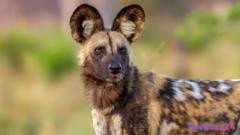
Record-Breaking Odyssey: African Wild Dogs Undertake 2,500-Mile Trek, Revealing Wildlife Resilience and Peril
An extraordinary journey undertaken by a trio of African wild dogs has set a new record for the longest recorded dispersal by any African land mammal in search of a mate. These three brothers traversed an astonishing 2,500 miles across Zambia, navigating a landscape increasingly shaped by human activity. Their epic trek offers a glimmer of hope that wildlife can still move vast distances, connecting populations despite the growing pressures of human development and habitat fragmentation.
However, this remarkable feat is tempered by the harsh realities faced by these endangered predators. While the male wild dogs successfully completed their odyssey, the study also tracked other individuals, including three sisters who embarked on a similar journey, only for one to succumb to an illegal snare. Such incidents underscore the pervasive dangers, from poaching to urban expansion, that threaten the mere 6,000 African wild dogs remaining in the wild. These highly social animals must leave their birth packs at around two or three years old to find new territories and breeding partners, as they cannot breed within their natal group, making these perilous dispersals crucial for their species’ survival.
The path taken by the wild dogs, which involved zigzagging through Zambia and skillfully avoiding major human obstacles like the capital city of Lusaka and industrial zones, provides critical insights. Researchers suggest that wild dog populations across eastern and southern Africa might be more interconnected than previously believed. Professor Scott Creel of Montana State University, a lead author on the study published in the journal *Ecology*, expressed “cautious optimism,” noting the plausibility of connectivity among most major wild dog populations. Yet, he also highlighted the “half empty and half full” nature of conservation, acknowledging the persistent threat of snares.
This research reinforces urgent calls for the establishment of natural land corridors outside traditional protected areas. Bruce Ellender, a co-author and Kafue Conservation director for The Nature Conservancy, emphasized that wide-ranging species like wild dogs and elephants require connected landscapes to thrive long-term. He stressed the need to move beyond viewing protected areas as isolated “islands,” advocating for a broader, integrated approach to conservation that ensures vital pathways for wildlife movement.
Key Takeaways
- African wild dogs completed a record-setting 2,500-mile journey across Zambia, demonstrating resilience in finding mates despite human-altered landscapes.
- The study highlights both the potential for wildlife connectivity across fragmented habitats and the severe threats posed by human activities like poaching snares.
- Conservation efforts must focus on creating and maintaining natural corridors to connect isolated wildlife populations, crucial for the long-term survival of wide-ranging species.
Editor’s Analysis & Impact
This groundbreaking research on African wild dogs offers a critical dual perspective for conservation and land management. While the extraordinary 2,500-mile trek demonstrates the inherent resilience and dispersal capabilities of these endangered predators, it simultaneously underscores the escalating threats from human encroachment and poaching. The findings provide a compelling argument for integrated conservation strategies, particularly the establishment of wildlife corridors that connect fragmented habitats. For the conservation sector, this data is invaluable, reinforcing the need for collaborative efforts with governments and local communities to protect vital migration routes. The future outlook hinges on the political will to prioritize ecological connectivity, balancing development with the imperative to preserve biodiversity. Failure to act could lead to further isolation and decline of vulnerable species, impacting ecosystem health and potentially ecotourism.
Frequently Asked Questions
Q: What is the significance of the 2,500-mile journey undertaken by the wild dogs?
A: It marks the longest recorded dispersal distance for any African land mammal seeking a mate, offering hope that wildlife can navigate human-modified landscapes to maintain genetic diversity and population health.
Q: What challenges do African wild dogs face during these long journeys?
A: They encounter significant dangers, including illegal snares, major cities, and developed industrial areas, which fragment their natural habitats and pose direct threats to their survival, as evidenced by the deaths of other tracked wild dogs.
Q: How can conservationists help species like African wild dogs survive in the future?
A: The study emphasizes the importance of creating and protecting natural land strips or corridors that connect separate wildlife areas. This allows animals to move freely between populations, ensuring genetic exchange and increasing their chances of long-term survival amidst human development.
AI Disclosure: This article is based on verified data and official reports. Our Team and AI have cross-referenced every financial detail with primary sources to ensure total accuracy.
More from this Category