The Warsh Doctrine: Potential Overhaul of Federal Reserve Monetary Strategy
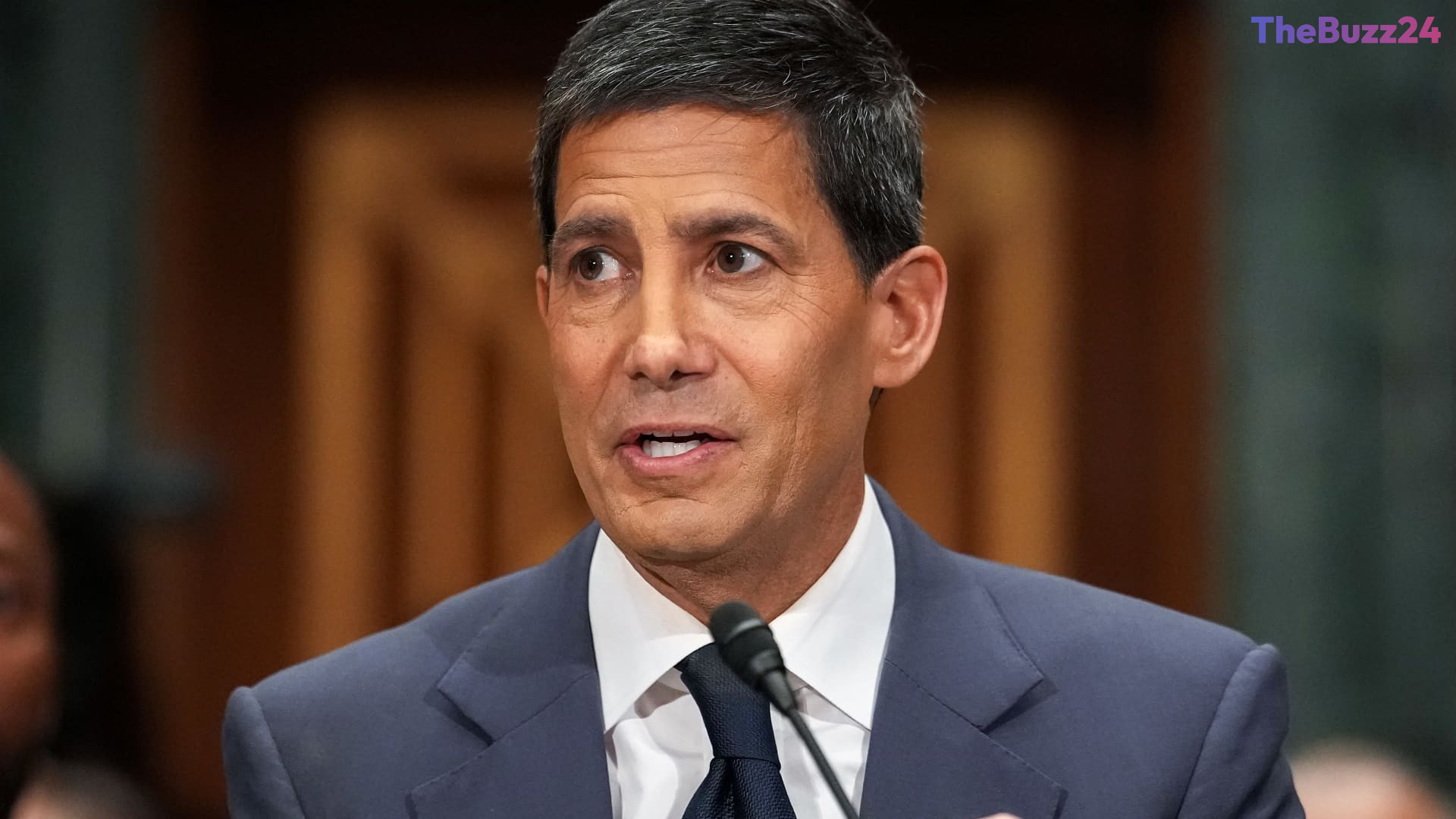
Speculation surrounding Kevin Warsh’s potential leadership at the Federal Reserve has ignited a serious conversation regarding the future of U.S. monetary policy. At the heart of this discussion is a fundamental restructuring of how the central bank manages its massive balance sheet, which has expanded significantly since the 2008 financial crisis. While interest rate adjustments often dominate headlines, the structural mechanics of the Fed’s market interventions are now under intense scrutiny.
The core of the debate centers on whether the Federal Reserve should continue utilizing its multi-trillion-dollar balance sheet as a standard tool for market stabilization or if such interventions should be reserved strictly for acute economic emergencies. A move toward a more restricted role would have far-reaching consequences for the economy, potentially altering Treasury yields, mortgage rates, and the overall stability of interest-sensitive sectors.
One emerging proposal suggests a transition from the current ‘ample reserves’ framework to a ‘scarce reserves’ model. This shift would prioritize the overnight repo market as a primary policy lever, moving away from the current singular focus on the federal funds rate. While proponents argue this would normalize market dynamics, critics warn that an aggressive reduction of the balance sheet could threaten bank liquidity and introduce unwanted volatility into the financial system.
Despite the potential for a major policy pivot, experts suggest that any transition would be a measured, medium-term process. Given the Federal Reserve’s institutional reliance on consensus, any significant overhaul of the nation’s financial plumbing will require extensive deliberation to ensure that market stability remains intact throughout the transition.
Key Takeaways
- Potential leadership changes at the Federal Reserve could trigger a shift toward a 'scarce reserves' monetary model.
- The proposed strategy aims to reduce the central bank's reliance on its massive balance sheet as a routine tool for market intervention.
- Any transition to a new operational framework is expected to be gradual to prevent systemic financial instability.
Editor’s Analysis & Impact
The potential shift toward a ‘scarce reserves’ framework marks a definitive departure from the post-2008 era of monetary policy. By moving away from the ‘ample reserves’ model, the Federal Reserve would effectively attempt to normalize market dynamics and reduce its footprint in the private sector. While this transition could foster more organic price discovery in Treasury and repo markets, it introduces significant risks regarding liquidity management. If executed poorly, the shift could trigger sudden volatility or funding stress for commercial banks. Investors should interpret this as a long-term structural evolution that will likely lead to higher term premiums and a less interventionist central bank, ultimately forcing markets to adapt to a reality where the Fed is a less active participant in daily liquidity provision.
Frequently Asked Questions
Q: What is the difference between 'ample reserves' and 'scarce reserves'?
A: An 'ample reserves' framework allows the Fed to manage interest rates by paying interest on excess reserves held by banks. A 'scarce reserves' model relies on the Fed actively managing the supply of reserves to influence short-term interest rates, typically through the repo market.
Q: Why is the size of the Federal Reserve's balance sheet important?
A: The balance sheet size dictates the amount of liquidity the Fed injects into the financial system. A larger balance sheet generally keeps interest rates lower and provides more support to markets, while a smaller balance sheet reduces that support and can lead to tighter financial conditions.
AI Disclosure: This article is based on verified data and official reports. Our Team and AI have cross-referenced every financial detail with primary sources to ensure total accuracy.
More from this Category