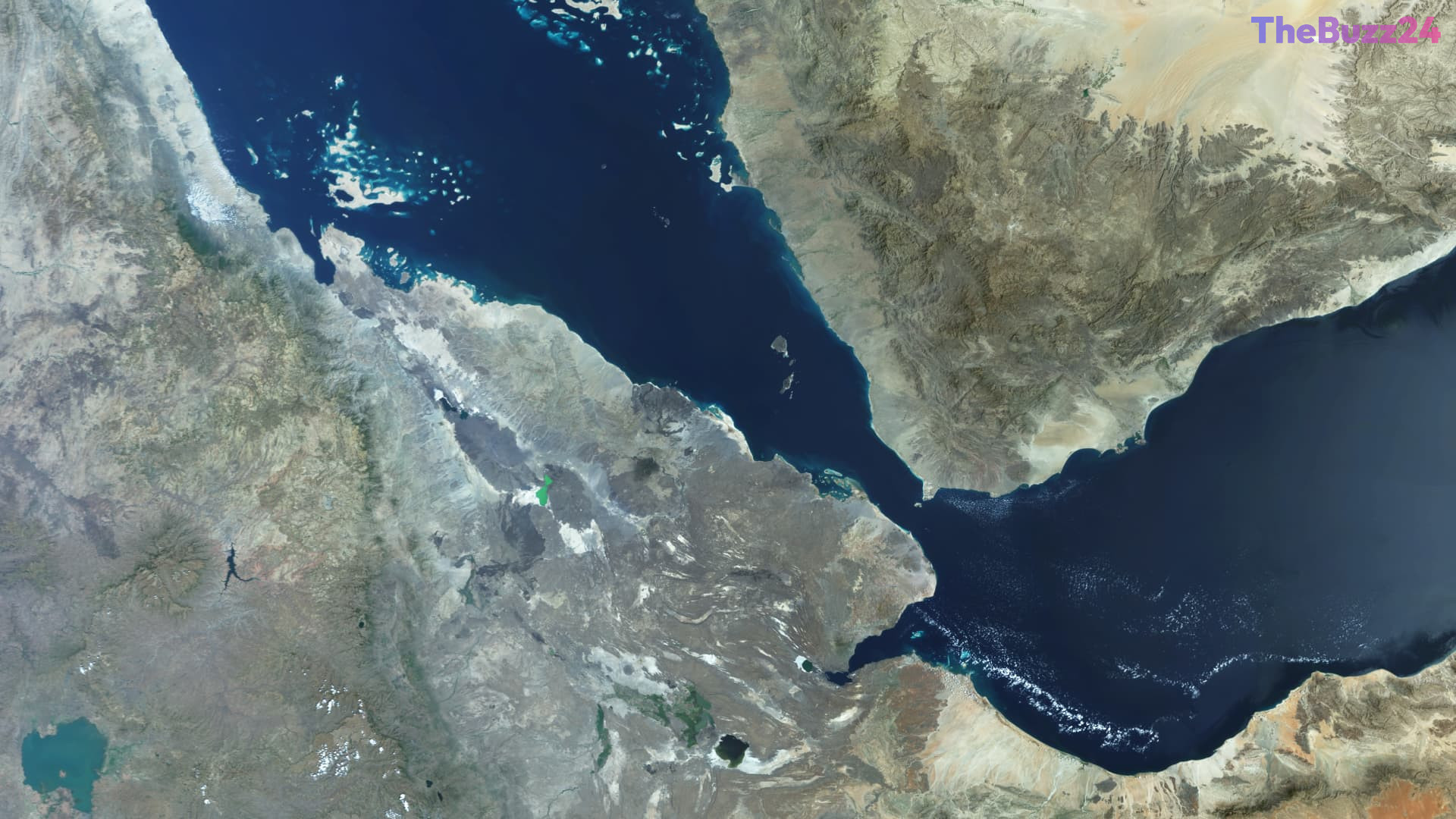
Rising Tensions in the Bab el-Mandeb Strait Threaten Global Oil Stability
The Bab el-Mandeb Strait, a vital maritime artery connecting the Red Sea to the Gulf of Aden, has emerged as a critical vulnerability for the global energy market. As geopolitical tensions in the Middle East intensify, threats from Iran’s Revolutionary Guard to shutter this strategic choke point have sparked concerns over potential supply chain disruptions. The strait has served as a primary relief valve for oil exports, particularly as traffic through the Strait of Hormuz has been severely hampered by ongoing regional hostilities.
In recent months, Saudi Arabia has significantly increased its reliance on the Red Sea route, redirecting millions of barrels of oil daily through its East-West Pipeline to bypass the volatile Persian Gulf. Data indicates that oil and product exports transiting the Bab el-Mandeb surged to approximately 7.2 million barrels per day in April, nearly doubling from earlier in the year. This shift has been instrumental in maintaining global supply levels and preventing more aggressive spikes in crude oil prices, which remain highly sensitive to regional instability.
The threat of a closure poses a significant escalation risk. Analysts suggest that even limited, targeted actions against commercial vessels in the area could be sufficient to deter shipping traffic, effectively choking off essential energy supplies to major Asian economies. While recent diplomatic efforts have attempted to secure ceasefires in the region, the situation remains precarious, with various factions maintaining independent agendas that could trigger renewed conflict at any moment.
Should the Bab el-Mandeb be compromised, the global oil market would face a severe supply shock. The potential for the Houthis to re-engage in maritime disruptions, coupled with the fragile nature of current U.S.-Iran relations, keeps the energy sector in a state of high alert. As the international community monitors the situation, the stability of this narrow waterway remains a central pillar in the broader effort to prevent a wider economic crisis.
Key Takeaways
- The Bab el-Mandeb Strait has become a critical alternative route for oil exports, currently handling over 7 million barrels per day.
- Iranian threats to close the strait pose a direct risk to global energy supplies, particularly for Asian markets reliant on Saudi oil.
- Even limited military or militant interference in the strait could effectively halt commercial shipping, causing significant volatility in crude oil prices.
Editor’s Analysis & Impact
The potential closure of the Bab el-Mandeb represents a systemic risk to the global economy. Unlike the Strait of Hormuz, which has long been recognized as a primary energy bottleneck, the Bab el-Mandeb has recently become the ‘Plan B’ for global energy security. The market’s current reliance on this route means that any disruption would not only spike oil prices but also inflate shipping insurance premiums and logistics costs globally. Future outlooks remain bearish on stability; as long as the underlying geopolitical conflicts in Gaza, Lebanon, and the broader U.S.-Iran standoff remain unresolved, the strait will remain a high-stakes bargaining chip. Investors should anticipate continued volatility in energy stocks and commodity futures as the market prices in the ‘risk premium’ associated with these maritime threats.
Frequently Asked Questions
Q: Why is the Bab el-Mandeb Strait important for the oil market?
A: It serves as a vital maritime passage that allows oil tankers to bypass the Strait of Hormuz, acting as a crucial relief valve for global energy exports, especially for shipments heading to Asia.
Q: What would happen if the strait were closed?
A: A closure would likely lead to a significant supply shock, forcing tankers to take much longer, more expensive routes, which would cause crude oil prices to spike and disrupt energy supplies to key economies.
AI Disclosure: This article is based on verified data and official reports. Our Team and AI have cross-referenced every financial detail with primary sources to ensure total accuracy.
More from this Category