Moscow’s Muted Military Display: Security Concerns Reshape Victory Day Parade
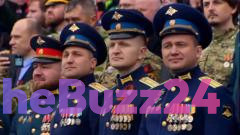
Moscow’s annual Victory Day parade in Red Square unfolded as a significantly subdued affair this year, a stark departure from its usual grand display of military might. The traditional showcase, meant to commemorate the Soviet Union’s victory over Nazi Germany in World War II, featured notably fewer guests, a reduced media presence, and, most strikingly, an absence of heavy military hardware like tanks and ballistic missiles.
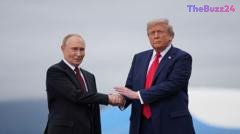
The decision to scale back the event was driven by pressing security concerns. Authorities in Moscow reportedly feared the possibility of Ukrainian forces targeting Red Square with a drone strike, a threat that necessitated a more cautious approach to public gatherings. In a critical development, a last-minute ceasefire was brokered by then-US President Donald Trump, securing an agreement from Kyiv not to launch an attack during the parade.
This unusually quiet demonstration carries significant symbolic weight, offering a potent reminder of the ongoing conflict in Ukraine and its profound impact on Russia. The inability to stage a full-scale military parade, a cornerstone of national pride and a projection of strength, suggests that the war may not be progressing as initially planned for Russia. The muted celebration underscores the persistent challenges and the high stakes involved in the protracted conflict.
The scaled-back nature of the event, while ensuring public safety, inadvertently highlighted the vulnerabilities and strategic adjustments necessitated by the current geopolitical climate. It presented a visual testament to the shifting realities of the conflict, where even deeply ingrained national traditions are adapted in response to immediate threats and ongoing hostilities.
Key Takeaways
- Moscow's annual Victory Day parade was significantly downsized, lacking traditional military hardware and with fewer attendees.
- The reduction was primarily due to heightened security concerns, specifically the threat of Ukrainian drone attacks on Red Square.
- A last-minute ceasefire, facilitated by US President Donald Trump, secured Kyiv's agreement not to target the parade, yet the muted display underscores the ongoing challenges in the conflict.
Editor’s Analysis & Impact
The significantly scaled-back Victory Day parade in Moscow carries substantial geopolitical implications. While ostensibly a security measure, the absence of traditional military hardware and reduced attendance project an image of vulnerability rather than strength. This could impact Russia’s international standing, potentially emboldening adversaries or prompting a re-evaluation of alliances. Domestically, it might signal to the populace that the conflict is more challenging than officially portrayed. The brokering of a ceasefire by a former US President highlights the continued, albeit complex, role of international diplomacy in managing the conflict. The future outlook suggests a prolonged period of caution and strategic adaptation for Russia, with potential shifts in military doctrine and public messaging.
Frequently Asked Questions
Q: What was unusual about Moscow's Victory Day parade this year?
A: The parade was significantly scaled back, featuring fewer guests, reporters, and notably, no heavy military hardware like tanks or ballistic missiles, which are typically a prominent part of the annual event.
Q: Why was the parade scaled back?
A: The reduction was primarily due to heightened security concerns, with Russian authorities reportedly fearing potential drone strikes on Red Square by Ukrainian forces.
Q: What role did US President Donald Trump play in the event?
A: A last-minute ceasefire was brokered by then-US President Donald Trump, leading to an agreement from Kyiv not to launch attacks during the parade.
AI Disclosure: This article is based on verified data and official reports. Our Team and AI have cross-referenced every financial detail with primary sources to ensure total accuracy.
More from this Category