South Korean Universities Forge Direct Paths to Tech Giants Samsung and SK Hynix
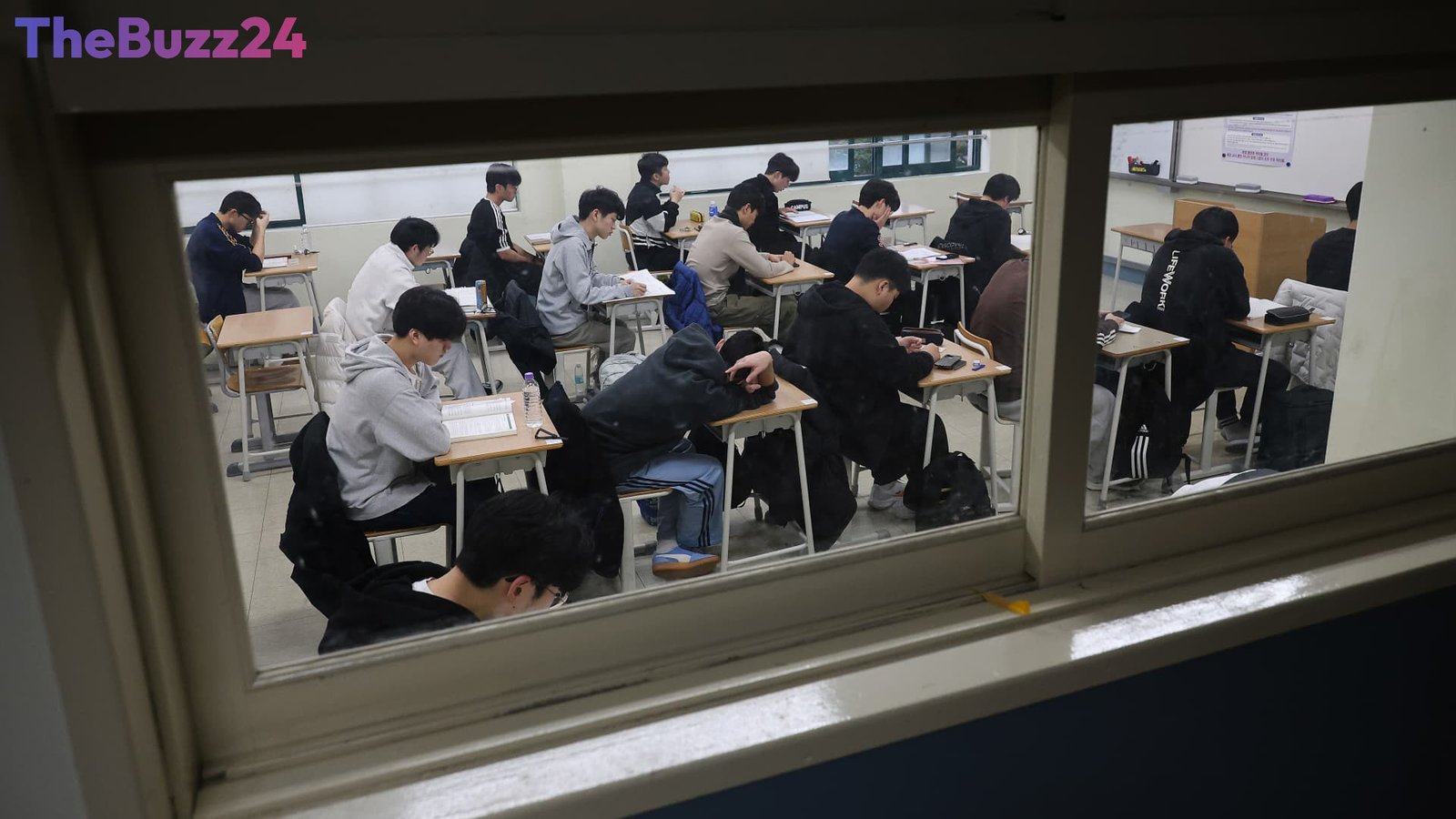
South Korean universities are revolutionizing higher education by establishing specialized degree programs in direct partnership with leading technology firms like Samsung Electronics and SK Hynix. These innovative “contract departments” offer students significant advantages, including financial support and a clear trajectory towards employment with these global tech giants, often years before graduation.
The appeal of these programs is evident in the rising application numbers. For the 2026 admission cycle, applications to Samsung-linked contract departments saw a 6.5% increase, while those for SK Hynix-affiliated programs surged by 12.7%. This trend underscores the enduring value placed on traditional degrees by major corporations, even amidst discussions about the evolving nature of higher education in the age of AI.
Students enrolled in these programs benefit from a unique blend of academic rigor and industry relevance. For instance, Sogang University’s Department of System Semiconductor Engineering, developed with SK Hynix, guarantees employment upon graduation for students who meet academic conditions. Similarly, Sungkyunkwan University’s Department of Intelligent Software, a collaboration with Samsung Electronics, offers a fast-track route to the AI sector, though graduates must still successfully navigate a separate Samsung hiring process. These partnerships not only provide students with financial aid, such as scholarships and monthly allowances, but also offer invaluable industry exposure through internships and direct engagement with company professionals.
These corporate-university collaborations are designed to cultivate a steady stream of highly skilled talent tailored to the specific needs of the semiconductor and technology industries. Companies actively contribute to curriculum development, ensuring that students are equipped with the most relevant knowledge and practical skills. While students commit to working for the sponsoring company for a period equivalent to their financial support, the guaranteed employment and comprehensive benefits package make these programs highly competitive, with applicant-to-spot ratios often exceeding 9:1 for top companies.
Key Takeaways
- South Korean universities are partnering with tech giants Samsung and SK Hynix to offer specialized degree programs with guaranteed job prospects.
- Applications to these company-linked university programs have seen significant increases, indicating high student demand.
- These collaborations provide students with financial support and industry experience, while ensuring a pipeline of skilled talent for the tech companies.
Editor’s Analysis & Impact
The emergence of these corporate-university partnerships in South Korea signals a strategic shift in talent acquisition for the nation’s leading tech firms. By embedding recruitment within the academic structure, Samsung and SK Hynix are proactively addressing the intense competition for skilled labor, particularly in the rapidly advancing AI and semiconductor fields. This model not only secures a future workforce but also allows companies to influence curriculum, ensuring graduates possess immediately applicable skills. While students benefit from financial aid and job certainty, the commitment required highlights a growing trend of industry shaping higher education, potentially setting a precedent for other sectors and regions facing similar talent shortages.
Frequently Asked Questions
Q: What are 'contract departments' in South Korean universities?
A: Contract departments are specialized university programs established in collaboration with specific companies. These companies help design the curriculum, provide financial support to students (like scholarships and allowances), and offer a direct pathway to employment upon graduation for qualifying students.
Q: What are the obligations for students in these programs?
A: Students typically must maintain a minimum GPA to retain their scholarships and employment guarantees. Furthermore, graduates are usually required to work for the sponsoring company for a period equivalent to the duration of the financial support they received.
Q: How do these programs benefit the companies involved?
A: These programs create a reliable pipeline of skilled talent specifically trained for the companies' needs. They allow companies to recruit top students early, shape their technical education, and reduce the time and cost associated with traditional recruitment processes.
AI Disclosure: This article is based on verified data and official reports. Our Team and AI have cross-referenced every financial detail with primary sources to ensure total accuracy.
More from this Category