Tesla Shares Slip as Cybercab Reveal Fails to Convince Investors
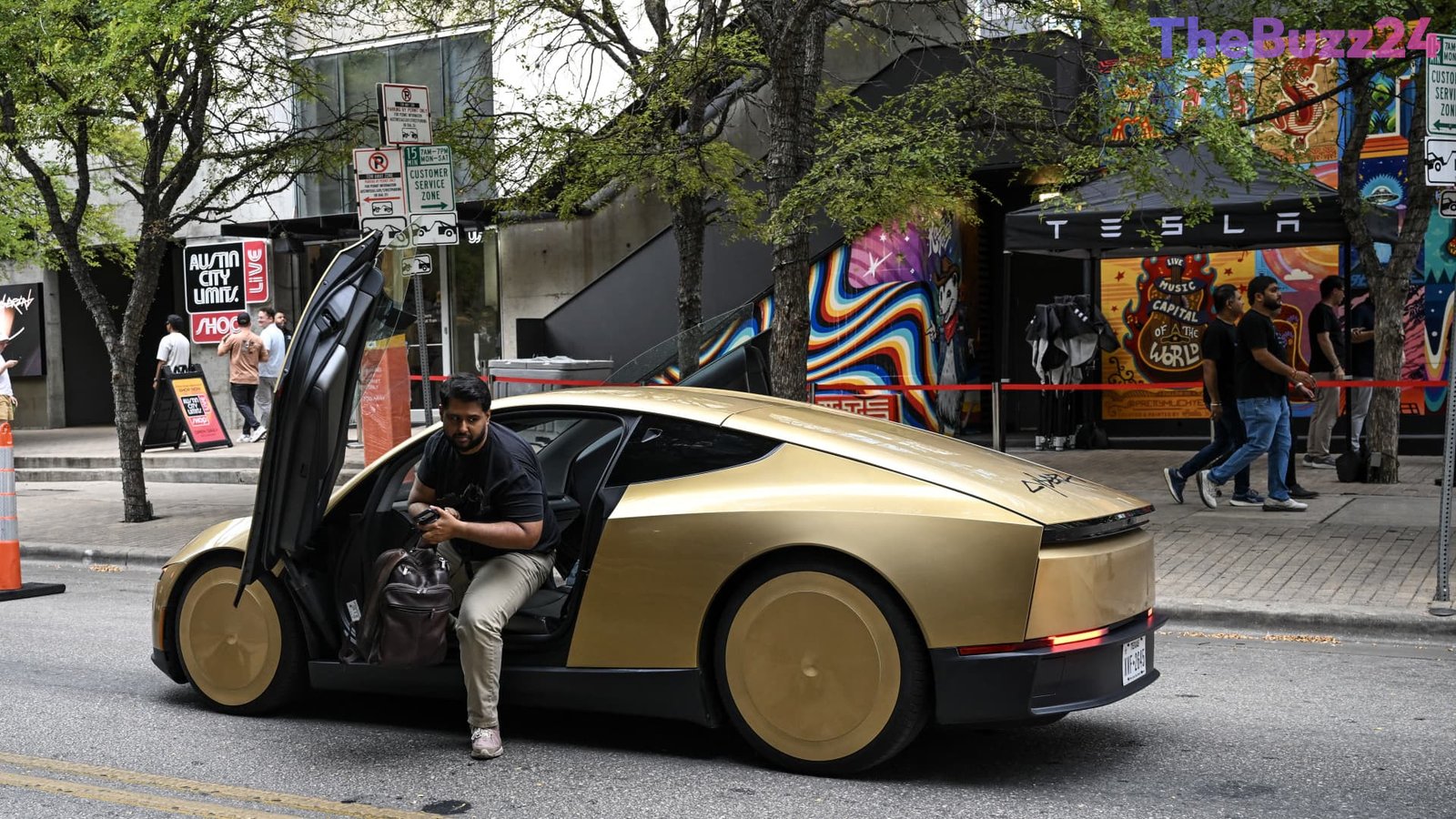
Tesla shares experienced a 6% decline on Friday following an underwhelming update regarding the company’s long-awaited Cybercab project. The two-seat, bronze-colored robotaxi, which features butterfly doors and lacks traditional steering wheels or pedals, has been in production since April. Despite the anticipation surrounding the vehicle, the recent invite-only event in Austin, Texas, left many market observers disappointed due to a lack of clear details regarding production timelines, pricing, and regulatory pathways.
The event marked a significant departure from Tesla’s typical high-profile product launches, as it was not livestreamed to the public and CEO Elon Musk did not make an appearance. While the company announced that users can now access driverless trips within a geofenced area of Austin via the Tesla Robotaxi app, early reports from users have highlighted operational challenges, including routing errors, missed destinations, and inconsistent service times.
Adding to the pressure on the company, the National Highway Traffic Safety Administration has launched an audit query into the Cybercab. Regulators are currently investigating whether Tesla has properly self-certified the vehicle to ensure it meets federal safety standards for public road use. These regulatory hurdles, combined with the lack of incremental disclosures during the event, have left analysts questioning the company’s ability to compete effectively in a robotaxi market currently led by established players like Alphabet’s Waymo.
Key Takeaways
- Tesla stock fell 6% following an invite-only Cybercab event that failed to provide sufficient details on production and pricing.
- The National Highway Traffic Safety Administration has opened an audit query to verify if the Cybercab meets federal safety standards.
- Early users of the Austin-based robotaxi service have reported technical issues, including routing errors and excessive wait times.
Editor’s Analysis & Impact
The market’s negative reaction to the Cybercab update underscores a growing impatience among investors regarding Tesla’s transition from a pure-play EV manufacturer to an autonomous ride-hailing provider. By failing to provide a transparent roadmap or a public-facing demonstration, Tesla has inadvertently fueled skepticism about its ability to bridge the gap between prototype and mass-market deployment. The regulatory scrutiny from the National Highway Traffic Safety Administration adds a layer of systemic risk that could delay commercial scaling. Moving forward, Tesla must move beyond ‘theatrical’ reveals and provide concrete data on safety compliance and operational efficiency to regain investor confidence. The company is currently at a critical juncture where execution, rather than vision, will determine its long-term valuation in the competitive autonomous vehicle sector.
Frequently Asked Questions
Q: What are the primary concerns regarding the Tesla Cybercab?
A: Investors are concerned about the lack of clear information regarding production schedules, pricing, and regulatory approval, as well as early reports of technical glitches in the Austin-based pilot program.
Q: Why is the National Highway Traffic Safety Administration investigating the Cybercab?
A: The agency is conducting an audit query to determine if Tesla has properly self-certified the Cybercab as safe for public roads and if it complies with all applicable federal safety standards.
AI Disclosure: This article is based on verified data and official reports. Our Team and AI have cross-referenced every financial detail with primary sources to ensure total accuracy.
More from this Category