Tesla Faces Regulatory and Competitive Hurdles in Texas Autonomous Expansion
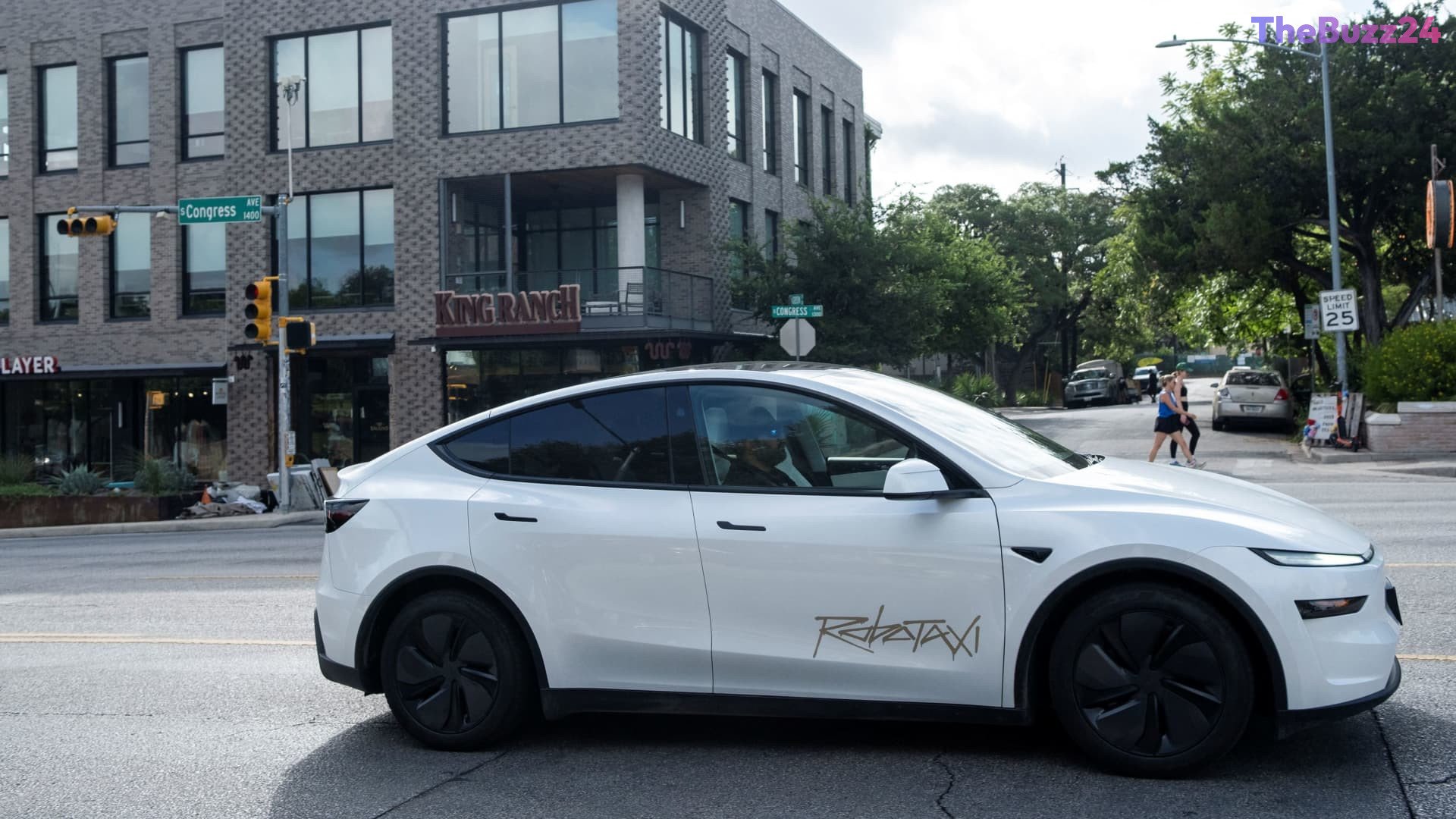
Tesla is aggressively pushing to enter the autonomous ride-hailing sector, recently registering 42 vehicles for driverless operations in Texas. This strategic pivot toward robotics and artificial intelligence marks a significant effort to compete in the commercial transport space. However, the company currently faces a steep climb, as it trails well behind established industry players in the region. Current data shows Alphabet’s Waymo leading the market with 577 authorized robotaxis, while other competitors like AV Ride and Amazon’s Zoox maintain fleets of 317 and 35 vehicles, respectively.
The expansion effort coincides with a tightening regulatory environment in Texas. New state laws now require operators to self-certify that their vehicles meet Level 4 autonomous standards, as defined by the Society of Automotive Engineers. This mandate creates a potential friction point for Tesla, which has historically marketed its software as a Level 2 driver-assistance system. Bridging the gap between its current consumer-facing technology and the rigorous safety requirements for fully driverless commercial services remains a primary challenge for the company.
Operational hurdles also persist as Tesla attempts to scale its presence. Between July 2025 and April 2026, authorities documented 17 incidents involving Tesla vehicles in Austin, some of which resulted in injuries. Despite these safety concerns and the competitive disparity, Tesla continues to pursue testing permits in states including Florida, Nevada, and Arizona. While the company seeks to expand its footprint, it remains far behind the national scale of leaders like Waymo, which currently operates a fleet of nearly 4,000 autonomous vehicles across the country.
Key Takeaways
- Tesla has registered 42 autonomous vehicles in Texas, placing it behind competitors like Waymo and AV Ride.
- New Texas legislation mandates that commercial autonomous fleets must meet Level 4 standards, challenging Tesla's current Level 2 branding.
- Safety concerns have emerged following 17 recorded incidents involving Tesla vehicles in Austin between mid-2025 and early 2026.
Editor’s Analysis & Impact
The current disparity in fleet size between Tesla and its competitors highlights the fundamental difference between a consumer-data-driven approach and a purpose-built robotaxi model. While Tesla benefits from vast amounts of real-world driving data, the transition to a commercial, Level 4-certified service introduces complex regulatory and safety hurdles that the company has yet to fully overcome. The shift toward stricter state-level oversight in Texas signals that the era of experimental autonomous testing is maturing, favoring firms that can demonstrate consistent, incident-free performance. For Tesla, the path forward requires not only technological refinement but also a successful pivot in safety compliance and public perception. If the company fails to reconcile its driver-assistance branding with the high-bar requirements of commercial autonomy, it risks losing significant ground in the race to define the future of urban mobility.
Frequently Asked Questions
Q: What is the main regulatory challenge Tesla faces in Texas?
A: Tesla must reconcile its technology with new Texas laws that require commercial autonomous operators to self-certify their vehicles meet Level 4 standards, whereas Tesla has traditionally marketed its systems as Level 2 driver-assistance.
Q: How does Tesla's autonomous fleet size in Texas compare to its rivals?
A: Tesla currently has 42 registered autonomous vehicles in Texas, significantly fewer than market leader Waymo, which has 577, and AV Ride, which has 317.
AI Disclosure: This article is based on verified data and official reports. Our Team and AI have cross-referenced every financial detail with primary sources to ensure total accuracy.
More from this Category