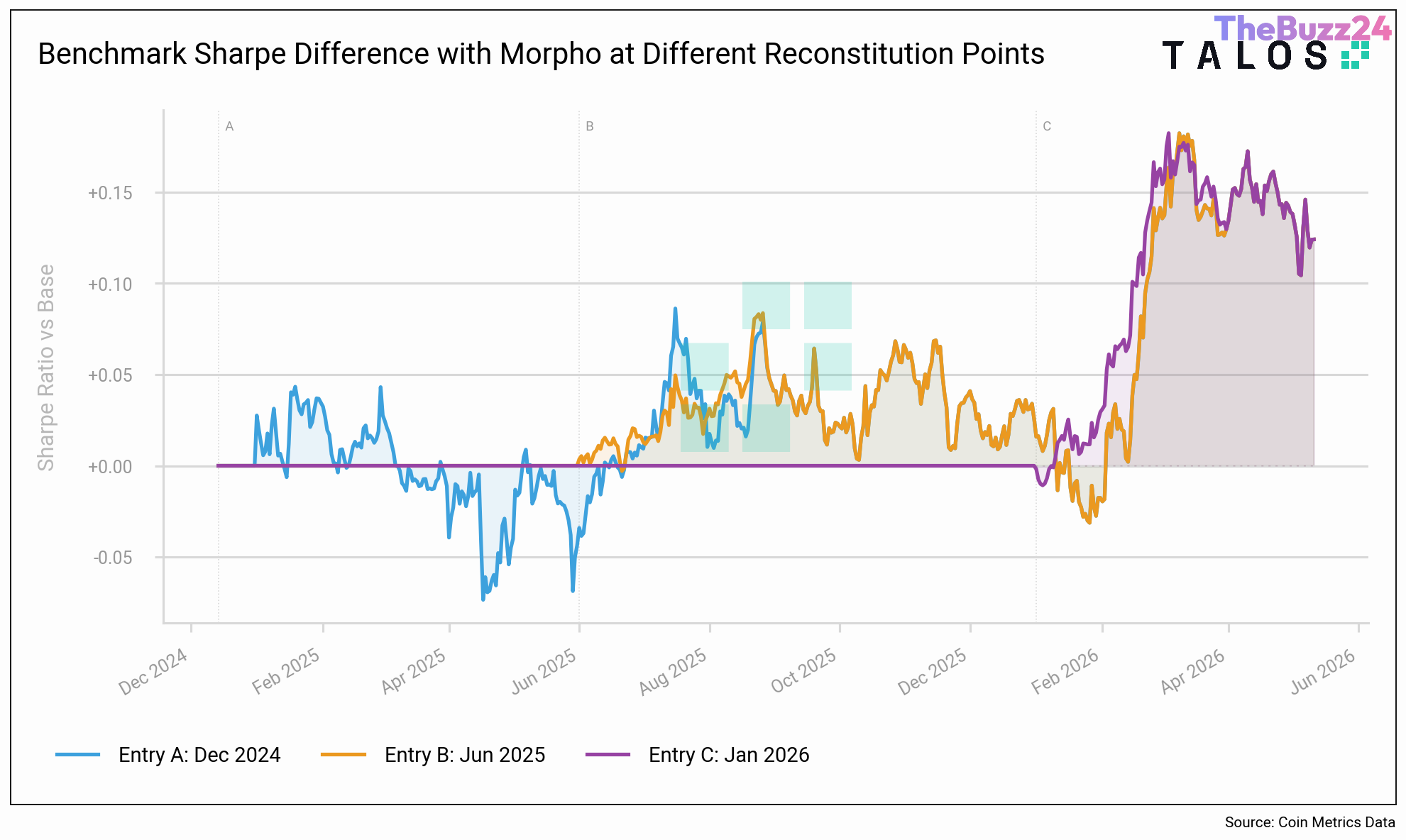
The Challenge of Benchmarking Long-Tail Cryptocurrency Assets
As the digital asset market continues to evolve, investors are shifting their focus toward ‘long-tail’ tokens—smaller-cap assets that offer distinct risk-reward profiles compared to industry leaders. However, incorporating these assets into standardized benchmarks remains a significant hurdle for both institutional and retail market participants. The core difficulty lies in designing an index that is both representative of the broader market and practically replicable, given the inherent constraints of liquidity.
Index reconstitution, the periodic process of updating asset lists, presents a complex trade-off. While frequent updates allow benchmarks to capture emerging trends, they also risk exposing investors to volatile, unsustainable price cycles. Conversely, being too conservative with inclusions can result in a benchmark that fails to reflect the diversification benefits offered by established decentralized protocols. This balancing act is essential for creating a tool that accurately mirrors market performance without succumbing to short-term speculation.
Beyond reconstitution, the industry faces a lack of standardized classification. Many modern blockchain protocols perform multiple functions, making it difficult to categorize them as strictly one type of asset. This subjectivity can lead to inconsistent benchmark compositions, complicating the ability of investors to compare performance across different products. Furthermore, liquidity fragmentation remains a major barrier; because long-tail tokens often lack the deep order books of major assets, attempting to replicate an index can lead to high slippage and significant execution costs, effectively eroding potential returns for investors.
Key Takeaways
- Integrating long-tail tokens into benchmarks is hindered by liquidity fragmentation and high execution costs.
- Frequent index reconstitution risks exposing investors to volatile, unsustainable market cycles.
- Subjective asset classification makes it difficult to maintain consistent standards across the cryptocurrency industry.
Editor’s Analysis & Impact
The integration of long-tail assets into cryptocurrency benchmarks represents a critical maturation point for the industry. As institutional capital flows into digital assets, the demand for reliable, investable indices will only grow. However, the current state of the market—characterized by fragmented liquidity and ambiguous asset utility—suggests that a ‘one-size-fits-all’ approach to benchmarking is currently unattainable. Future developments will likely require more sophisticated filtering mechanisms that prioritize liquidity and protocol maturity over raw market capitalization. If the industry fails to standardize these benchmarks, it may struggle to attract the risk-averse institutional investors who rely on index-tracking products for portfolio diversification. Ultimately, the evolution of these benchmarks will be a key indicator of the crypto market’s transition from a speculative frontier to a more stable, institutional-grade asset class.
Frequently Asked Questions
Q: Why is it difficult to include long-tail tokens in crypto benchmarks?
A: The primary difficulties include thin market liquidity, high price slippage, and the challenge of accurately classifying assets that often serve multiple functions within a single protocol.
Q: What is the risk of frequent index reconstitution?
A: Frequent updates can capture new trends, but they also risk including assets that are experiencing temporary 'pump and dump' cycles, which can negatively impact the long-term performance and stability of the benchmark.
AI Disclosure: This article is based on verified data and official reports. Our Team and AI have cross-referenced every financial detail with primary sources to ensure total accuracy.
More from this Category