The Hidden Water Cost of AI: Why Nvidia’s Cooling Breakthrough Isn’t the Full Solution
Nvidia has unveiled a sophisticated warm-water cooling system designed to drastically lower the water footprint of data centers. By utilizing a closed-loop mechanism that circulates coolant at higher temperatures, the company claims it can effectively eliminate nearly all on-site water consumption for cooling purposes. This innovation allows data centers to dissipate heat using passive radiators, potentially removing the need for energy-intensive fans and evaporative cooling systems.
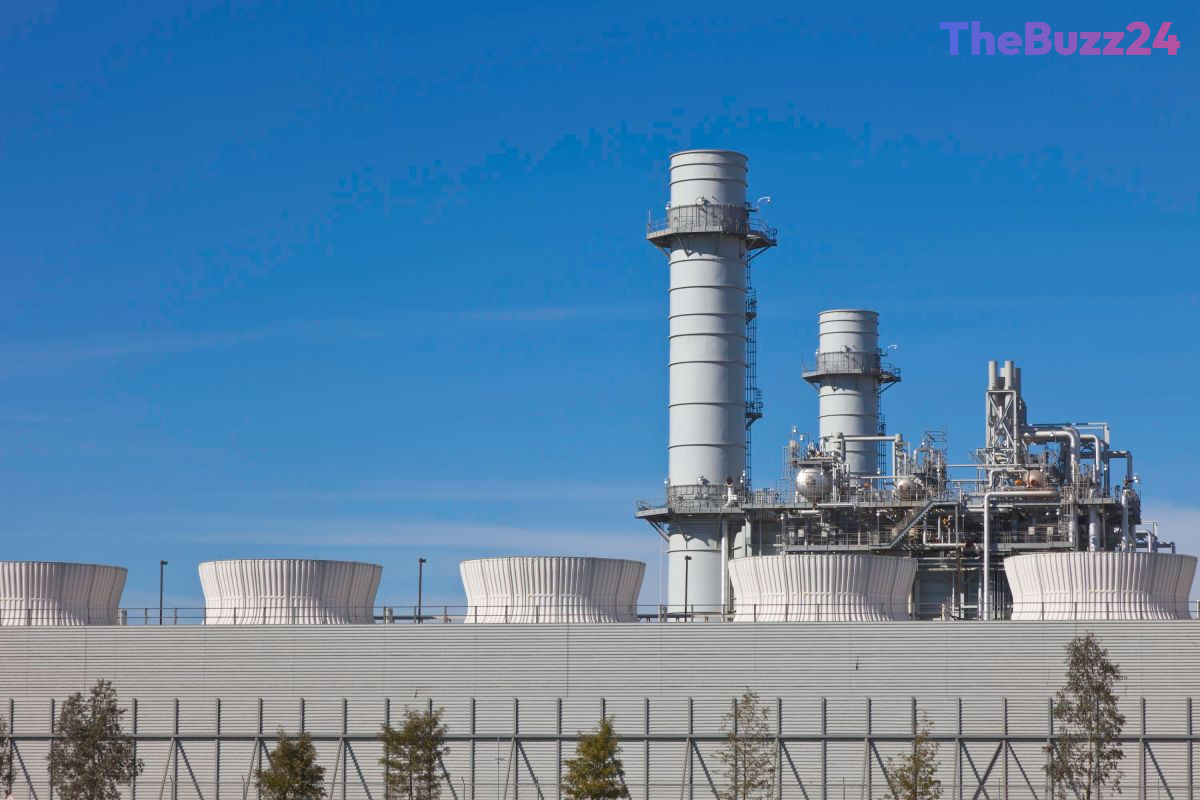
However, industry experts point out that this facility-level efficiency addresses only a fraction of the total water consumption associated with artificial intelligence infrastructure. Nvidia’s current metrics focus primarily on water usage within the physical walls of the data center, ignoring the significant “indirect” water consumption required to generate the electricity that powers these facilities. Because a substantial portion of the global power grid still relies on fossil fuels, the water-intensive nature of traditional power plants remains a critical, unaddressed factor.
Data centers are massive consumers of electricity, and the methods used to generate that power often require billions of gallons of water daily for cooling. While wind and solar energy require negligible amounts of water, coal and natural gas plants remain heavy users. As the demand for AI computing power continues to surge, the reliance on these traditional energy sources threatens to offset the gains made by on-site cooling innovations. Unless the broader energy supply chain shifts toward water-efficient renewables, the total environmental impact of AI will remain a significant concern.
Key Takeaways
- Nvidia's new warm-water cooling system can reduce on-site data center water usage by nearly 100% through a closed-loop design.
- The primary limitation of this technology is that it ignores the massive water consumption required for electricity generation at power plants.
- Fossil fuel-based power, which still accounts for a large share of data center energy, remains a major driver of indirect water consumption that internal cooling fixes cannot solve.
Editor’s Analysis & Impact
Nvidia’s cooling innovation represents a significant engineering milestone for hardware efficiency, but it highlights a growing trend of ‘siloed’ sustainability reporting in the tech sector. By focusing on facility-level metrics, companies can claim major environmental victories while ignoring the systemic water costs embedded in their energy supply chains. As AI demand forces a massive expansion of data center capacity, the industry faces a looming conflict between its internal efficiency gains and the external reality of the power grid. Future outlooks suggest that unless tech giants take direct responsibility for the water intensity of their energy procurement—moving aggressively toward wind, solar, and water-neutral geothermal—the ‘AI water problem’ will likely worsen. Investors and regulators are increasingly expected to demand a more holistic ‘cradle-to-grave’ accounting of resource consumption, moving beyond the walls of the data center.
Frequently Asked Questions
Q: How does Nvidia's new cooling system work?
A: The system uses a closed-loop of coolant that enters server racks at 45°C and exits at 55°C. This heat is then dissipated through passive radiators, which eliminates the need for water-heavy evaporative cooling or fans.
Q: Why is the water consumption of power plants relevant to data centers?
A: Most power plants, particularly coal and natural gas facilities, require massive amounts of water for cooling. Since data centers consume vast quantities of electricity, the water used to generate that power is considered part of the data center's total environmental footprint.
AI Disclosure: This article is based on verified data and official reports. Our Team and AI have cross-referenced every financial detail with primary sources to ensure total accuracy.
More from this Category