Strategic Ambiguity: The Diplomatic Standoff Over Taiwan
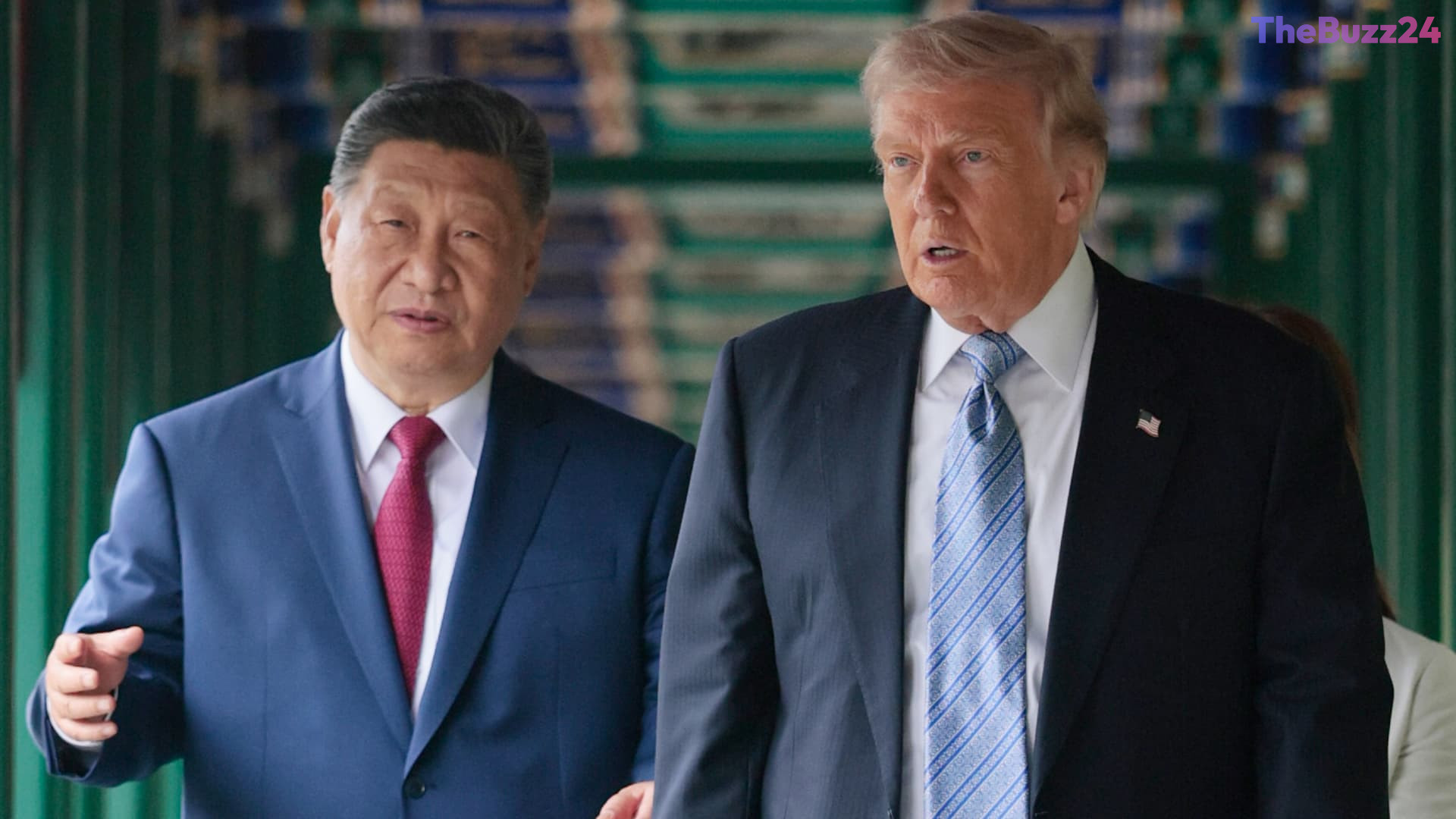
During a high-stakes summit in Beijing, former President Donald Trump maintained a policy of strategic ambiguity regarding the United States’ potential military response to a Chinese invasion of Taiwan. While traveling back from the meetings, Trump revealed that he explicitly declined to provide a definitive answer to Chinese President Xi Jinping when the topic was raised during their private discussions.
When pressed by reporters about his stance on defending the island, Trump emphasized his desire to keep his intentions private, asserting that he was the only individual privy to his actual strategic plans. This refusal to commit to a specific course of action serves as a hallmark of the long-standing U.S. policy of strategic ambiguity, which is designed to deter both unilateral moves toward independence by Taiwan and potential military aggression from Beijing.
The exchange occurred against a backdrop of heightened tensions, as President Xi reportedly issued stern warnings regarding the status of Taiwan. Xi characterized the issue as the most critical component of the U.S.-China relationship, cautioning that any perceived mishandling of the situation could lead to significant conflict and jeopardize the stability of bilateral ties between the two global powers.
Key Takeaways
- Former President Trump refused to confirm whether the U.S. would militarily defend Taiwan during summit talks with President Xi.
- President Xi Jinping identified the Taiwan issue as the most significant threat to the stability of U.S.-China relations.
- The administration maintained a policy of strategic ambiguity to avoid committing to a specific military response in the event of a conflict.
Editor’s Analysis & Impact
The refusal to clarify the U.S. position on Taiwan highlights the precarious nature of the ‘One China’ policy and the ongoing geopolitical rivalry between Washington and Beijing. By maintaining strategic ambiguity, the U.S. attempts to balance the need to deter Chinese military expansionism while simultaneously discouraging Taiwan from taking formal steps toward independence that could trigger a regional war. This approach, while historically effective at preventing open conflict, is increasingly tested by China’s growing military capabilities and more assertive rhetoric. Future implications suggest that as the power dynamic shifts, the pressure on U.S. leadership to provide clearer security guarantees will intensify, potentially forcing a move away from ambiguity toward a more explicit defense posture, which carries the inherent risk of escalating tensions into direct military confrontation.
Frequently Asked Questions
Q: What is the policy of strategic ambiguity regarding Taiwan?
A: Strategic ambiguity is a diplomatic approach where the U.S. intentionally avoids stating whether it would intervene militarily if China attacked Taiwan, aiming to deter both Chinese aggression and Taiwanese independence moves.
Q: Why does China consider Taiwan the most important issue in U.S.-China relations?
A: China views Taiwan as a breakaway province that must eventually be reunified with the mainland, and it considers any foreign interference or support for Taiwanese sovereignty as a violation of its core national interests.
AI Disclosure: This article is based on verified data and official reports. Our Team and AI have cross-referenced every financial detail with primary sources to ensure total accuracy.
More from this Category