U.S. Brokers Historic Diplomatic Initiative to Resolve Israel-Lebanon Conflict
A significant shift in Middle Eastern diplomacy is underway as the United States facilitates high-level negotiations between Israel and Lebanon. This marks the first trilateral diplomatic effort of this scale in more than three decades, offering a rare opportunity to address a relationship defined by decades of hostility. Unlike previous attempts at temporary pauses in fighting, this initiative seeks to establish a permanent, comprehensive peace framework.
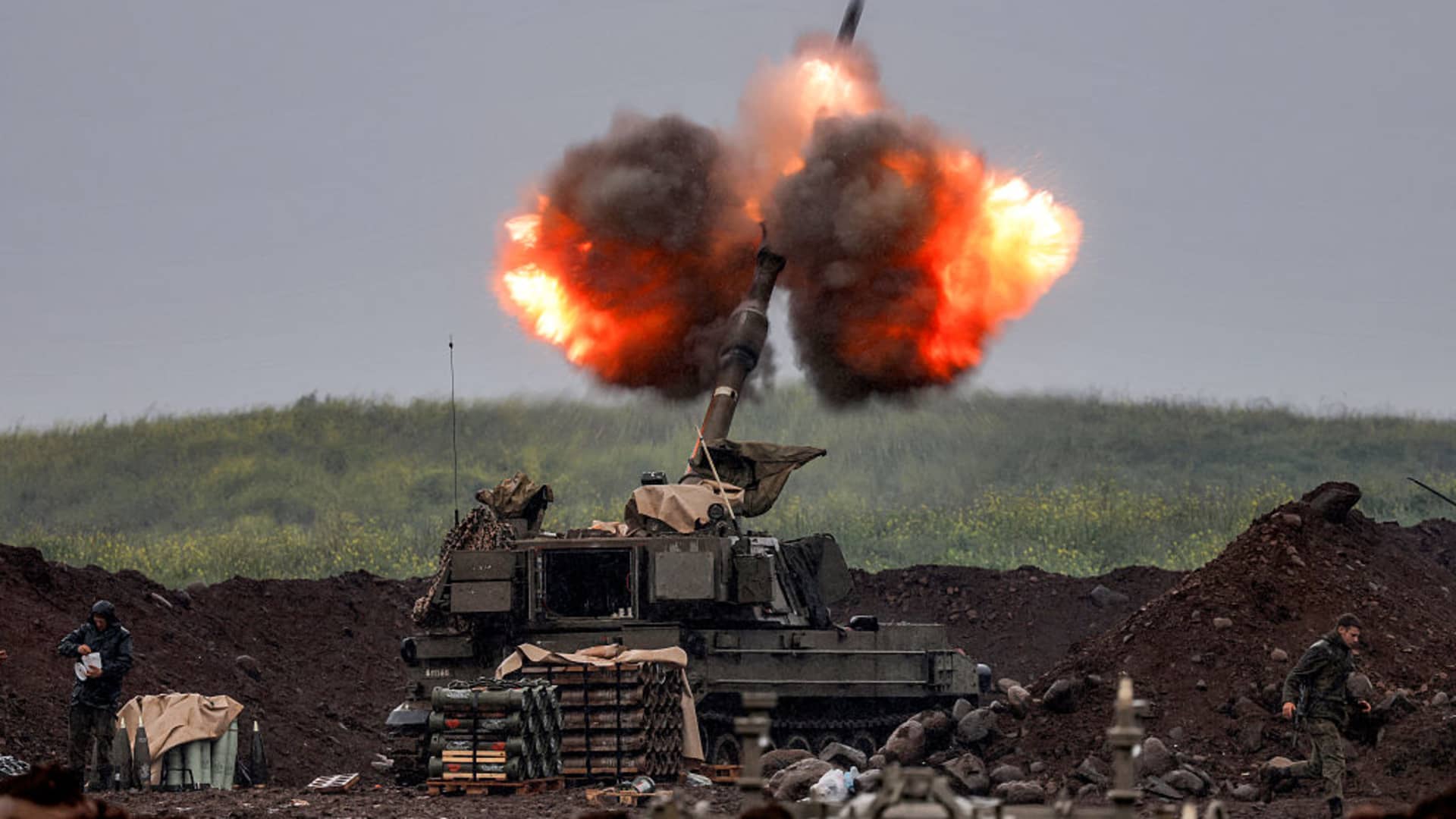
The push for diplomacy comes amidst a period of intense regional instability following the breakdown of a ceasefire in late 2024. Recent military escalations have seen increased operations in southern Lebanon and strikes reaching into Beirut, leading to a severe humanitarian crisis and mass displacement. The pressure to find a sustainable solution has reached a critical point for both governments.
However, significant hurdles stand in the way of a final agreement. The core of the dispute remains centered on security and territorial sovereignty. Israel is pushing for the complete disarmament of militant factions and the removal of their presence in southern Lebanon, while the Lebanese government is insisting on the total withdrawal of Israeli military forces from its borders. The success of these talks depends on whether both sides can find middle ground on these non-negotiable security demands.
Key Takeaways
- The United States is leading the first trilateral negotiations between Israel and Lebanon in over 30 years.
- The objective is to transition from a temporary ceasefire to a permanent, long-term peace treaty.
- Disagreements over the disarmament of militant groups and Israeli troop withdrawals remain the primary obstacles.
Editor’s Analysis & Impact
The commencement of these negotiations represents a pivotal moment for Middle Eastern stability. By stepping in as a central mediator, the U.S. aims to mitigate the influence of non-state actors and prevent a wider regional conflagration. A successful outcome would not only alleviate the humanitarian crisis but also secure vital energy corridors and stabilize global markets. However, the political landscape in both nations is highly volatile. Reaching a consensus on the status of Hezbollah and border sovereignty requires concessions that may be domestically unpopular for leaders in both Israel and Lebanon. If these talks fail to produce a breakthrough, the risk of a broader, more destructive conflict increases, potentially involving other regional powers and further destabilizing the international order.
Frequently Asked Questions
Q: What distinguishes these talks from previous ceasefire attempts?
A: While previous efforts focused on temporary pauses in violence, these negotiations aim to build a comprehensive, long-term peace agreement.
Q: What are the main security concerns for both nations?
A: Israel is focused on the disarmament of militant groups in southern Lebanon, while Lebanon is focused on the full withdrawal of Israeli forces from its territory.
AI Disclosure: This article is based on verified data and official reports. Our Team and AI have cross-referenced every financial detail with primary sources to ensure total accuracy.
More from this Category