Uganda’s Succession Crisis Deepens as Military Purges and Ruling Party Friction Escalate Around President’s Son
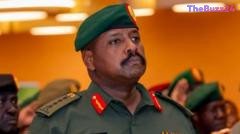
Uganda is facing an unprecedented internal power struggle within its military and political elite as senior military figures face widespread arrests and political tensions escalate over the eventual succession of President Yoweri Museveni. Over the past 15 months, at least a dozen top generals and high-ranking security officials have been detained under the direction of the Chief of Defence Forces, Gen Muhoozi Kainerugaba, who is also President Museveni’s son. The high-profile crackdown has targeted former military intelligence leaders and senior commanders, including Lt Gen Peter Elwelu and Maj Gen James Birungi. While official military spokespersons maintain that the detentions are part of an ongoing anti-corruption and counter-treason campaign, political observers increasingly view the moves as a systematic effort to eliminate internal military opposition to Kainerugaba’s presidential ambitions.
The friction has rapidly spilled over from the armed forces into the civilian government and the ruling National Resistance Movement (NRM). Gen Kainerugaba recently generated widespread controversy by publicly criticizing Vice President Jessica Alupo and asserting that he should assume her role under strict military terms. Simultaneously, internal NRM leadership meetings have reportedly descended into quiet debate regarding the timeline and viability of a dynastic transfer of power. While party leaders publicly insist that no formal vote rejecting Kainerugaba has occurred, pushback from veteran figures highlights deep resistance to handing executive power to a military commander without extensive civilian administrative experience.
Underpinning this political maneuvering is the institutional divide between the regular armed forces and the elite Special Forces Command (SFC), an intensely loyal unit previously commanded by Kainerugaba. With President Museveni now in his late 80s and serving his seventh presidential term, control over key security apparatuses remains the central pillar of state power. Analysts note that by using allegations of corruption or treason to detain, demote, or subsequently pardon non-aligned military leaders, Kainerugaba is consolidating authority while building his political vehicle, the Patriotic League of Uganda.
As opposition political figures face continued legal pressure and exile, the transition debate within Uganda’s ruling establishment marks a crucial juncture for the country’s political future. Whether Museveni eventually moves his son into a civilian administrative role or maintains his command over the armed forces ahead of the 2031 election cycle, the escalating arrests and public disputes demonstrate that Uganda’s long-standing political equilibrium is coming under severe strain.
Key Takeaways
- Over a dozen senior Ugandan generals and intelligence chiefs have been arrested or demoted amid growing succession friction surrounding Gen Muhoozi Kainerugaba.
- Tensions have expanded into civilian politics after Gen Kainerugaba publicly threatened Vice President Jessica Alupo and challenged internal NRM leadership.
- The military purge and reliance on the elite Special Forces Command highlight the critical role of security forces in shaping Uganda's post-Museveni political landscape.
Editor’s Analysis & Impact
The ongoing crackdown within Uganda’s military establishment exposes the fragility of the country’s institutional succession framework after nearly four decades of President Yoweri Museveni’s rule. By leveraging his dual position as army chief and presidential son, Gen Muhoozi Kainerugaba is aggressively neutralizing potential military dissent while testing the political waters of the ruling NRM party. This strategy of selective prosecution, public demotions, and personal pardons reflects a calculated effort to enforce loyalty across both regular forces and political allies. However, alienating senior military figures and veteran civilian politicians risks fracturing the ruling coalition. Moving forward, the key indicator of stability will be whether the regime can manage a smooth transition toward the 2031 elections without inciting deeper internal schisms or military backlash.
Frequently Asked Questions
Q: Who is Gen Muhoozi Kainerugaba and what is his role in Uganda?
A: Gen Muhoozi Kainerugaba is Uganda's Chief of Defence Forces, the leader of the Patriotic League of Uganda political movement, and the son of long-serving President Yoweri Museveni. He is widely considered a primary candidate to succeed his father.
Q: Why are senior Ugandan military officers being arrested?
A: Officially, the Ugandan military states the arrests are aimed at rooting out corruption, treason, and misconduct. However, political analysts view the detentions as a targeted purge to remove officers suspected of opposing Kainerugaba's presidential ambitions.
Q: How has the succession struggle affected Uganda's civilian government?
A: The tension has spilled into the ruling National Resistance Movement (NRM) party, leading to contentious debates over succession plans and public clashes, including Gen Kainerugaba issuing public threats against Vice President Jessica Alupo.
AI Disclosure: This article is based on verified data and official reports. Our Team and AI have cross-referenced every financial detail with primary sources to ensure total accuracy.
More from this Category