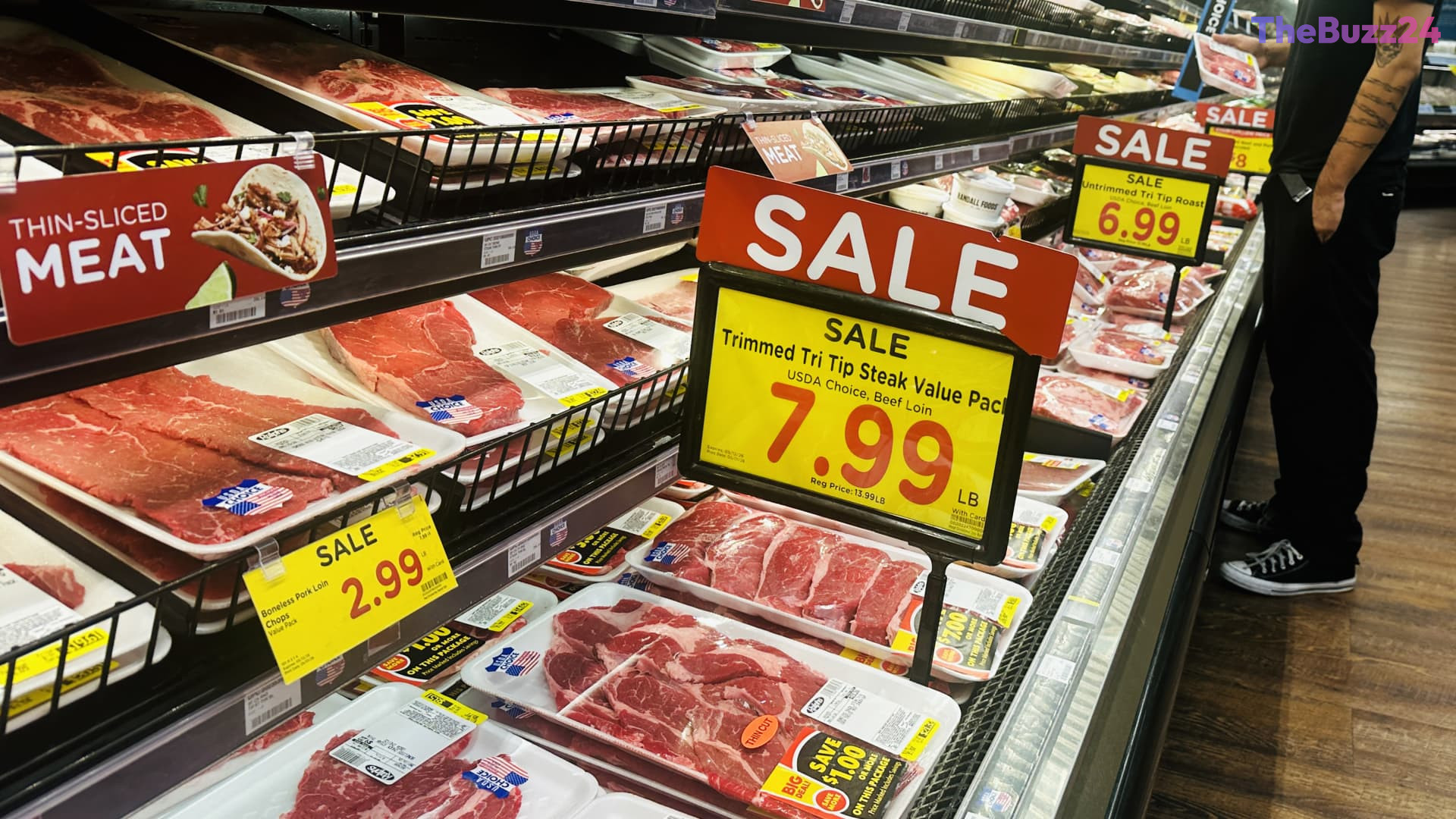
Inflation Alarm: US Producer Prices Jump Most Since 2022 Amid Energy and Service Spikes
Wholesale inflation in the United States experienced a sharp and unexpected acceleration in April, indicating that price pressures remain deeply entrenched within the nation’s supply chains. The Producer Price Index (PPI) climbed by a seasonally adjusted 1.4% for the month, significantly outperforming market expectations of a modest 0.5% rise. This represents the most aggressive monthly increase since March 2022. On an annual basis, producer prices jumped by 6%, marking the most substantial year-over-year surge since late 2022 and raising fresh concerns about the future path of consumer inflation.
The upward momentum was highly broad-based, stretching far beyond traditionally volatile sectors. Core PPI, which strips out food and energy costs, rose by 1% in April—more than double the projected 0.4% increase. A primary catalyst for the wholesale surge was the energy sector, where final demand energy costs spiked by 7.8%. This spike was heavily driven by a 15.6% surge in gasoline prices, which pushed retail fuel costs past the $4-per-gallon mark. Global geopolitical instability, particularly escalating tensions in the Middle East involving Iran, played a pivotal role in destabilizing energy markets during this period.
Beyond energy, the services sector also demonstrated significant acceleration, with its index climbing 1.2%, marking its largest monthly gain in over two years. A substantial portion of this growth was fueled by a 2.7% increase in trade services. Market analysts point out that the lingering effects of import tariffs, including those established during the administration of former President Donald Trump, continue to filter through supply chains and elevate wholesale costs. Furthermore, margins for machinery and equipment wholesaling rose by 3.5%, highlighting the widespread nature of these price hikes.
Key Takeaways
- The US Producer Price Index (PPI) climbed 1.4% in April, representing the sharpest monthly wholesale price increase since March 2022.
- Energy costs led the surge, highlighted by a 15.6% spike in gasoline prices driven by geopolitical tensions in the Middle East.
- Core wholesale inflation and service sector costs both exceeded expectations, indicating that inflationary pressures are broad-based and persistent.
Editor’s Analysis & Impact
The unexpected surge in April’s wholesale inflation data presents a formidable challenge for monetary policymakers and financial markets. Because the Producer Price Index serves as a leading indicator for consumer-facing inflation, this acceleration suggests that the Federal Reserve’s aggressive interest rate hikes have yet to fully cool the economy. With input costs rising across energy, services, and core goods, businesses are highly likely to pass these expenses onto consumers, potentially driving up the Consumer Price Index (CPI) in the coming months. Consequently, the central bank may be forced to keep interest rates elevated for a longer period than Wall Street anticipated. This “higher-for-longer” rate environment could restrict economic growth, squeeze corporate profit margins, and trigger heightened volatility across global equity and bond markets.
Frequently Asked Questions
Q: What is the Producer Price Index (PPI) and why is it important?
A: The PPI measures the average change over time in the selling prices received by domestic producers for their output. It is a critical economic metric because wholesale price trends typically serve as an early warning sign for consumer inflation, as businesses eventually pass higher production costs down to retail consumers.
Q: What primary factors drove the wholesale price spike in April?
A: The surge was primarily driven by a 7.8% jump in energy costs—fueled by a 15.6% spike in gasoline prices amid Middle East tensions—alongside a 1.2% increase in service sector costs and rising trade service margins.
Q: How could this inflation data affect Federal Reserve interest rate decisions?
A: Persistent wholesale inflation makes it difficult for the Federal Reserve to justify cutting interest rates. If price pressures remain high, the central bank is likely to keep borrowing costs elevated to cool economic demand and steer inflation back toward its 2% target.
AI Disclosure: This article is based on verified data and official reports. Our Team and AI have cross-referenced every financial detail with primary sources to ensure total accuracy.
More from this Category