Physical Oil Markets Remain Tight Despite Geopolitical De-escalation
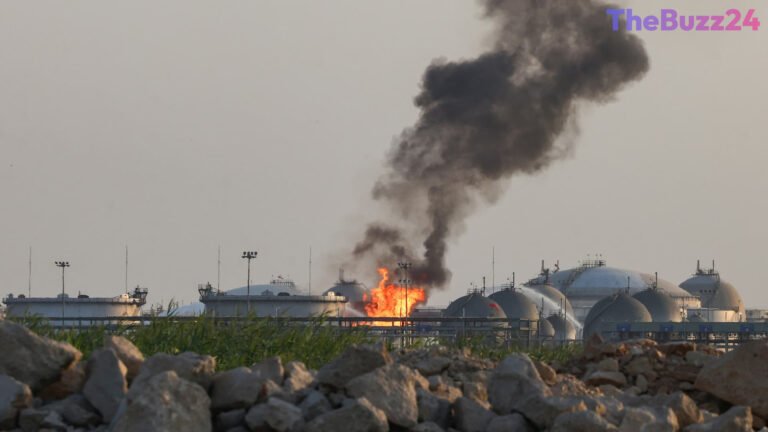
The global energy sector is currently navigating a period of significant operational stress, as physical crude oil markets continue to exhibit signs of persistent scarcity. Despite a recent, fragile ceasefire in the Middle East that has helped stabilize some speculative futures contracts, the underlying physical market remains constrained. This disconnect between paper trading and the actual availability of crude suggests that the market is grappling with genuine supply shortages rather than temporary geopolitical volatility.
A primary driver of this tension is the ongoing instability surrounding the Strait of Hormuz. As a critical maritime artery responsible for approximately 20% of global oil and gas transit, any disruption here has immediate, far-reaching consequences. While the recent truce has prevented further record-breaking price spikes, shipping experts warn that transit through this corridor is unlikely to return to normal levels in the near term. Consequently, refiners and traders are forced to contend with elevated tanker rates and a challenging environment for securing reliable supply chains.
This dislocation has led to a fundamental shift in traditional trading patterns, with the premiums for specific crude grades, such as Saudi Arabia’s Arab Light, reaching historic highs. The widening gap between Dated Brent and front-month futures further underscores that market participants are prioritizing immediate physical access to barrels over long-term financial hedging. As the industry continues to face these logistical hurdles, the risk of product tightness remains high, suggesting that energy prices may stay elevated regardless of diplomatic developments in the region.
Key Takeaways
- Physical crude oil markets are signaling genuine scarcity, independent of speculative geopolitical risk.
- Disruptions in the Strait of Hormuz continue to constrain global supply chains, keeping tanker rates and premiums for specific crude grades elevated.
- The widening gap between physical prices and futures contracts indicates that the market is prioritizing immediate supply security over long-term hedging.
Editor’s Analysis & Impact
The current state of the oil market reveals a critical vulnerability in global energy infrastructure: the reliance on narrow maritime chokepoints. While geopolitical headlines often drive short-term volatility, the real story lies in the structural rigidity of supply chains. The divergence between physical premiums and futures prices suggests that the market is pricing in a ‘new normal’ of logistical friction. Looking ahead, this trend implies that even if diplomatic tensions subside, the cost of energy will likely remain sensitive to any operational bottleneck. Investors and industry stakeholders should anticipate continued volatility as the market struggles to reconcile fragmented supply routes with global demand. The shift toward prioritizing immediate physical availability over financial hedging indicates a defensive posture that could persist as long as global trade corridors remain under pressure.
Frequently Asked Questions
Q: Why are oil prices remaining high despite a ceasefire in the Middle East?
A: Prices remain elevated because the physical supply chain is still constrained. Even with a ceasefire, the logistical challenges of moving oil through critical corridors like the Strait of Hormuz have not been fully resolved, leading to persistent scarcity.
Q: What does the gap between Dated Brent and futures contracts tell us?
A: The widening gap indicates that traders are more concerned with the immediate, physical availability of oil than with long-term financial contracts. It suggests that the market is currently more focused on securing actual barrels to meet current demand.
AI Disclosure: This article is based on verified data and official reports. Our Team and AI have cross-referenced every financial detail with primary sources to ensure total accuracy.
More from this Category