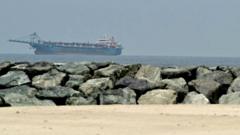
U.S. Naval Strategy Shifts: Strategic Blockade Targets Iranian Export Revenue
The United States has implemented a naval blockade focused on vessels transiting to and from Iranian ports, marking a significant escalation in efforts to apply economic pressure on Tehran. By positioning naval assets in the Gulf of Oman, the U.S. military aims to monitor and interdict maritime traffic while maintaining a strategic distance from potential threats such as Iranian missiles, drones, and naval mines. This approach is viewed by military strategists as a calculated alternative to more volatile options, such as direct military strikes or the high-risk escorting of convoys through the narrow Strait of Hormuz.
This operation is designed to systematically disrupt Iran’s petrochemical exports, a vital revenue stream for the regime. While the blockade is intended to be enforced impartially against all commercial traffic, officials have indicated that humanitarian shipments will be allowed to pass, provided they undergo rigorous inspections. The U.S. Navy is leveraging its existing capabilities, including special forces and advanced surveillance assets, to enforce these restrictions, drawing on experience from previous interdiction operations in other regions.
Market reactions were immediate, with maritime intelligence reports noting a surge in vessel departures from Iranian ports in the hours leading up to the blockade, followed by a sharp decline in activity. The move has created a tense standoff, with global energy markets closely watching the situation. As major importers like China face potential supply chain disruptions, the effectiveness of this economic strategy remains a subject of intense debate among geopolitical analysts, particularly regarding Iran’s historical resilience to sustained international pressure.
Key Takeaways
- The U.S. has initiated a naval blockade in the Gulf of Oman to target Iranian petrochemical exports and restrict revenue.
- The strategy avoids direct military confrontation by keeping U.S. warships at a distance from Iranian coastal defenses.
- Global shipping activity has significantly decreased in the region, with major importers like China facing potential energy supply interruptions.
Editor’s Analysis & Impact
The implementation of a naval blockade represents a shift toward ‘gray zone’ warfare, where economic strangulation replaces kinetic military action. By targeting the financial lifelines of the Iranian state, the U.S. is attempting to force a policy change without triggering a full-scale regional war. However, the broader implications for the global energy market are significant. If the blockade persists, the resulting supply shock could drive up global oil prices, potentially creating inflationary pressure that affects the global economy. Furthermore, the reliance on China as a primary buyer of Iranian oil introduces a complex diplomatic variable; if Beijing chooses to challenge the blockade, it could escalate the situation from an economic dispute into a major geopolitical confrontation between superpowers. The long-term success of this strategy depends on whether the economic pain inflicted on Tehran outweighs its strategic resolve.
Frequently Asked Questions
Q: Will the blockade affect humanitarian aid shipments to Iran?
A: No, the U.S. has stated that humanitarian aid shipments will be permitted to pass, though they will be subject to mandatory inspections to ensure compliance.
Q: Why did the U.S. choose a blockade over escorting convoys?
A: A blockade allows U.S. forces to operate from a safer distance in the Gulf of Oman, avoiding the high risks associated with navigating the Strait of Hormuz, where vessels would be vulnerable to Iranian missiles, drones, and naval mines.
AI Disclosure: This article is based on verified data and official reports. Our Team and AI have cross-referenced every financial detail with primary sources to ensure total accuracy.
More from this Category