Satellite Data Reveals Massive Scale of Destruction Across Southern Lebanon
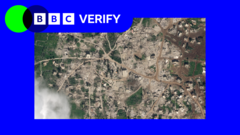
Recent satellite imagery and verified video evidence have unveiled a staggering level of destruction throughout southern Lebanon, with more than 1,400 buildings confirmed demolished since the start of March. Experts suggest that the true extent of the damage is likely even greater, as limited ground access and gaps in satellite coverage prevent a full accounting of the devastation. The widespread leveling of residential structures has transformed the landscape of the region, leaving once-vibrant villages covered in rubble and debris.
The demolition campaign appears to follow a strategic directive aimed at clearing structures near the border, a tactic that has drawn intense scrutiny from international observers. While the Israel Defense Forces (IDF) maintain that their operations are conducted in accordance with the Law of Armed Conflict and are necessary to neutralize military infrastructure embedded by Hezbollah, the scale of the destruction has sparked significant legal debate. The IDF asserts that these actions are strictly limited to military necessity, yet the systematic nature of the demolitions has raised alarms regarding the potential for long-term civilian displacement.
International humanitarian law experts are increasingly concerned that these actions may cross the threshold into war crimes. Under established legal frameworks, the destruction of civilian property is prohibited unless it is deemed an absolute military necessity. Critics argue that the broad scope of the demolitions, which have impacted entire villages like Taybeh and Aita al-Shaab, suggests a pattern that may violate these protections. Furthermore, the displacement of approximately 1.2 million people, many of whom have been forced to flee toward northern Lebanon or Syria, has created a severe humanitarian crisis that continues to worsen as the conflict persists.
Despite the IDF’s insistence that evacuation orders are not intended to facilitate permanent displacement or target specific religious groups, the physical reality on the ground tells a story of profound loss. With critical infrastructure, including mosques and civilian homes, reduced to ruins, the debate over the legality of these operations remains at the forefront of the international response. As the conflict continues, the long-term implications for the region’s civilian population and the potential for future legal accountability remain critical points of contention.
Key Takeaways
- Satellite analysis confirms over 1,400 buildings have been demolished in southern Lebanon since March.
- The IDF maintains that operations are necessary to target Hezbollah infrastructure, while legal experts warn of potential violations of international humanitarian law.
- The conflict has triggered a massive humanitarian crisis, displacing an estimated 1.2 million people from their homes.
Editor’s Analysis & Impact
The systematic destruction of civilian infrastructure in southern Lebanon represents a significant escalation in the ongoing conflict, carrying profound implications for international humanitarian law. By adopting tactics that mirror operations seen in other theaters of war, the current strategy risks setting a dangerous precedent regarding the definition of ‘military necessity.’ From a market and geopolitical perspective, this level of destruction complicates any future reconstruction efforts and deepens the regional instability that has already disrupted local economies and trade routes. The long-term outlook suggests that even if a ceasefire is reached, the physical and social rebuilding of these border communities will take years, if not decades. Furthermore, the potential for international legal challenges against state actors could lead to increased diplomatic isolation and further complicate the geopolitical landscape in the Middle East.
Frequently Asked Questions
Q: What is the primary justification provided by the IDF for the demolitions?
A: The IDF states that its operations adhere to the Law of Armed Conflict and are necessary to destroy military infrastructure that Hezbollah has embedded within civilian areas.
Q: Why are legal experts concerned about these actions?
A: Legal experts argue that international humanitarian law prohibits the destruction of civilian property unless it is an absolute military necessity, and they fear the current scale of destruction may constitute war crimes or collective punishment.
AI Disclosure: This article is based on verified data and official reports. Our Team and AI have cross-referenced every financial detail with primary sources to ensure total accuracy.
More from this Category