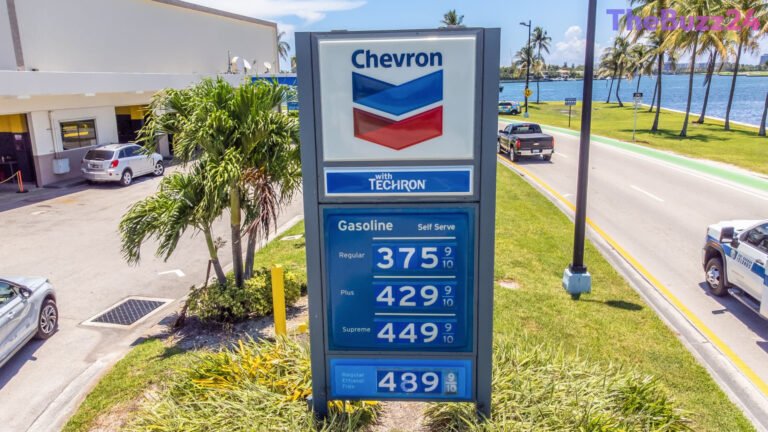
As Gas Prices Force Americans to Drive Less, Pay-Per-Mile Insurance Emerges as a Major Money Saver
Rising fuel costs have forced a significant shift in American driving habits. With average regular gasoline prices climbing past $4.18 per gallon—marking a multi-year high—more than half of U.S. motorists are actively choosing to scale back their time on the road. However, simply reducing mileage does not automatically translate to lower premiums on standard auto insurance policies. While a 10% reduction in annual driving might only yield a nominal $27 saving on a traditional plan, alternative insurance models are offering a more lucrative path to cost-cutting.
Pay-per-mile insurance, a subset of usage-based coverage, has surged in popularity, with adoption rates roughly doubling over the last decade. Today, approximately one in six policyholders utilizes some form of usage-based program. This model operates on a two-tiered pricing structure: a flat daily base rate determined by traditional risk factors like credit score, location, and driving history, combined with a variable fee ranging from $0.04 to $0.08 for every mile actually driven.
Major insurance providers are capitalizing on this trend. Nationwide reports that its SmartMiles program, available in 44 states, saves customers an average of 25% compared to traditional policies, featuring a road-trip safeguard that caps daily mileage charges at 250 miles. Meanwhile, Metromile, a subsidiary of Lemonade operating in select states, boasts average savings of over 40% for its users. For drivers concerned about privacy and continuous digital tracking, companies like Mile Auto offer a low-tech alternative, requiring only a monthly photo submission of the vehicle’s odometer rather than utilizing GPS-enabled telematics devices or smartphone apps.
This flexible pricing model is highly advantageous for specific demographics, particularly remote workers, retirees, and urban residents who rely heavily on public transit. Industry benchmarks suggest that anyone driving fewer than 50 miles per day stands to benefit financially. However, pay-per-mile coverage may not suit everyone. High-mileage drivers, frequent road-trippers, and those who prefer the predictability of a fixed monthly bill may find traditional policies more cost-effective and less administratively demanding.
Key Takeaways
- High gas prices have prompted over 50% of Americans to reduce their driving, but standard insurance policies offer minimal savings for reduced mileage.
- Pay-per-mile insurance charges a low daily base rate plus a variable fee of $0.04 to $0.08 per mile, potentially saving low-mileage drivers up to 40%.
- The model is ideal for remote workers, retirees, and those driving under 50 miles per day, though high-mileage drivers may find traditional plans cheaper.
Editor’s Analysis & Impact
The rise of pay-per-mile and usage-based insurance (UBI) represents a fundamental shift in how risk and premiums are calculated in the auto insurance sector. Driven by macroeconomic pressures—such as inflation and volatile fuel prices—and enabled by telematics technology, consumers are increasingly demanding personalized, equitable pricing. For insurance companies, this shift provides highly granular data on driving habits, allowing for more accurate risk assessment and underwriting. However, the industry faces a delicate balancing act regarding data privacy, as many consumers remain wary of continuous location tracking. Companies offering non-invasive tracking, like odometer photos, are carving out a significant niche. Moving forward, as remote work remains a permanent fixture of the modern economy, expect traditional insurers to aggressively expand their UBI portfolios to prevent customer churn to specialized insurtech competitors.
Frequently Asked Questions
Q: How does pay-per-mile car insurance track my mileage?
A: Most providers track mileage using a small telematics device plugged into the vehicle's diagnostic port or via a smartphone app. Some companies, like Mile Auto, protect privacy by simply requiring a monthly photo of the odometer.
Q: Who benefits the most from pay-per-mile insurance?
A: It is highly beneficial for low-mileage drivers, typically those who drive fewer than 50 miles per day. This includes remote workers, retirees, and city dwellers who rely on public transportation.
Q: Are there downsides to pay-per-mile insurance?
A: Yes. Monthly costs fluctuate based on how much you drive, making budgeting less predictable. Additionally, it is generally more expensive for high-mileage drivers and those who take frequent long-distance road trips.
AI Disclosure: This article is based on verified data and official reports. Our Team and AI have cross-referenced every financial detail with primary sources to ensure total accuracy.
More from this Category