California’s New Rules: Robotaxi Companies Now Accountable for Traffic Violations
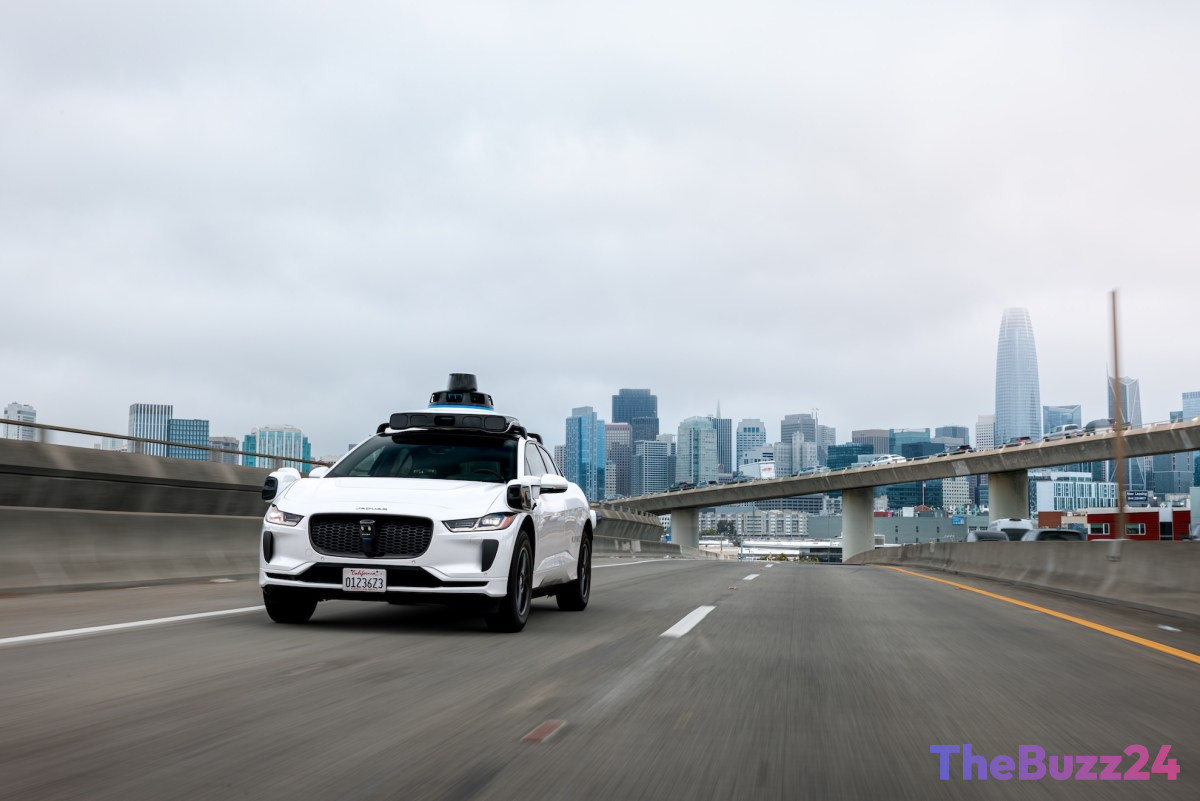
California has introduced a significant update to its autonomous vehicle (AV) regulations, placing direct responsibility on robotaxi companies for traffic violations committed by their driverless vehicles. The new rules, detailed in a comprehensive 100-page document from the state’s Department of Motor Vehicles (DMV), aim to enhance safety and accountability in the burgeoning AV sector.
Under the revised framework, law enforcement agencies can now issue citations directly to AV companies for infractions such as speeding or running red lights. This new directive, termed “Notice of Autonomous Vehicle Noncompliance,” mandates that the AV manufacturer must report any such violation to the DMV within 72 hours of receiving the citation. While these violations do not appear to carry immediate monetary fines, they will be logged as critical data points.
The DMV will utilize this accumulated data to identify patterns of noncompliance and potential issues with AV performance or safety protocols. This approach allows regulators to intervene proactively, potentially requiring companies to adjust their operational strategies or update their technology before more serious incidents occur. The regulations also introduce more stringent requirements for data collection, AV training, and overall operational procedures, reflecting a growing emphasis on robust oversight.
Industry insiders, while often hesitant to speak publicly, have indicated that these updated regulations represent a substantial shift in how AV deployment will be managed. The focus on data-driven accountability signals a move towards greater transparency and a clearer path for addressing the unique challenges posed by autonomous transportation on public roads. The implications of these rules are expected to extend beyond California, potentially influencing AV policy in other states and countries.
Key Takeaways
- California's new AV regulations hold robotaxi companies responsible for traffic violations committed by their driverless vehicles.
- Companies must report violations to the DMV within 72 hours, with data used for regulatory oversight.
- The updated rules include enhanced requirements for data collection, training, and operations for AVs.
Editor’s Analysis & Impact
California’s assertive stance on AV accountability marks a pivotal moment for the autonomous vehicle industry. By directly linking traffic violations to robotaxi operators, regulators are establishing a clear framework for oversight that prioritizes public safety and corporate responsibility. This move is likely to accelerate the development of more sophisticated safety systems and robust data reporting mechanisms within AV companies. The long-term impact could be a more cautious yet ultimately more trustworthy rollout of autonomous technology, potentially setting a precedent for other jurisdictions grappling with similar regulatory challenges. The industry will need to adapt quickly to these demands, focusing on data integrity and proactive risk management.
Frequently Asked Questions
Q: What happens if a robotaxi company receives a violation notice?
A: The robotaxi company must report the violation to the California DMV within 72 hours of receiving it from law enforcement. This data will be used by the DMV for oversight and to identify potential issues with AV performance or safety.
Q: Are there monetary fines associated with these new AV violation rules?
A: Based on the current information, the 'Notice of Autonomous Vehicle Noncompliance' does not appear to carry immediate monetary fines. Instead, the violations serve as data points for the DMV to monitor and act upon if necessary.
Q: Do these new rules apply to AVs with safety drivers?
A: The regulations specifically address the testing and deployment of AVs, implying a focus on vehicles operating without human drivers. However, the exact scope regarding vehicles with safety drivers would depend on the detailed definitions within the 100-page regulation document.
AI Disclosure: This article is based on verified data and official reports. Our Team and AI have cross-referenced every financial detail with primary sources to ensure total accuracy.
More from this Category