Malta Joins Artemis Accords to Advance International Lunar Cooperation
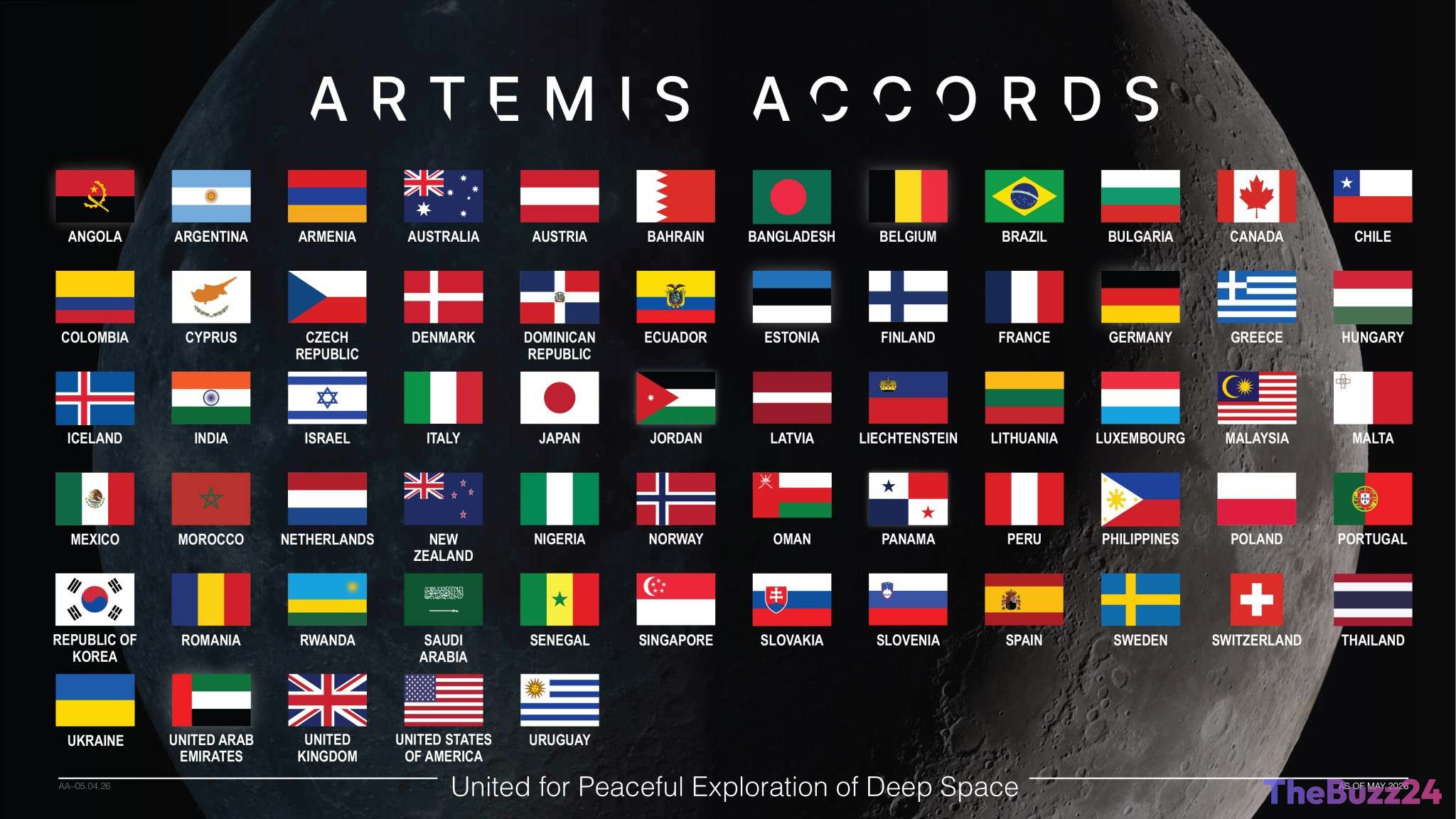
The Republic of Malta has officially solidified its role in the future of space exploration by becoming the 65th signatory of the Artemis Accords. The formal agreement, signed during a ceremony in Kalkara, underscores the nation’s dedication to maintaining transparency, safety, and peaceful collaboration as humanity expands its reach toward the Moon and beyond.
By adopting these principles, Malta joins a growing global coalition committed to the responsible use of outer space. The Accords establish a framework for international cooperation, focusing on the open sharing of scientific data, the provision of mutual assistance during space missions, and the protection of historical sites across the solar system. This strategic alignment is expected to bolster Malta’s domestic space sector, opening doors for increased investment, technological innovation, and the creation of high-skilled jobs within the burgeoning space economy.
Since their inception in 2020, the Artemis Accords have served as a vital mechanism for coordinating the activities of both government agencies and private enterprises. As lunar missions become more frequent, the initiative provides a necessary set of guidelines to prevent conflict and ensure that exploration remains sustainable. Malta’s participation reflects a broader global trend of nations seeking to establish universal standards for space conduct, ensuring that the next era of discovery is built on a foundation of shared responsibility.
Key Takeaways
- Malta has become the 65th nation to sign the Artemis Accords, committing to peaceful and transparent space exploration.
- The agreement focuses on sharing scientific data, mutual assistance, and the preservation of historical lunar sites.
- Joining the coalition is expected to stimulate Malta's economy by fostering innovation and creating specialized employment opportunities.
Editor’s Analysis & Impact
Malta’s entry into the Artemis Accords highlights the democratization of space exploration, where even smaller nations are positioning themselves as active participants in the global space economy. This move is not merely symbolic; it signals a strategic pivot toward high-tech sectors that require international regulatory alignment. As the lunar surface becomes a hub for both public and private activity, the expansion of the Accords creates a more predictable environment for investors and technology firms. The broader implication is the solidification of a ‘rules-based order’ in space, which is essential for mitigating geopolitical friction. Looking ahead, we can expect more nations to join this framework as they seek to secure their place in the supply chains and research initiatives that will define the next decade of lunar and Martian exploration.
Frequently Asked Questions
Q: What are the Artemis Accords?
A: The Artemis Accords are a set of non-binding principles designed to guide civil space exploration and use in the 21st century, focusing on transparency, safety, and the peaceful use of outer space.
Q: Why is Malta joining the Artemis Accords significant?
A: It marks Malta's formal integration into the global space community, allowing the country to participate in international standards-setting and potentially attracting investment into its local technology and research sectors.
AI Disclosure: This article is based on verified data and official reports. Our Team and AI have cross-referenced every financial detail with primary sources to ensure total accuracy.
More from this Category