Pyongyang Erects Monument Honoring Soldiers Lost in Russian Military Operations
A newly inaugurated memorial in Pyongyang’s Hwasong district has provided a rare, tangible look at the human toll of North Korea’s military support for Russia’s ongoing conflict in Ukraine. The ‘Memorial Museum of Combat Feats at Overseas Military Operations’ features two massive walls inscribed with the names of 2,304 soldiers. The scale of this monument aligns with intelligence assessments suggesting that thousands of North Korean personnel have been killed or wounded while operating alongside Russian forces, particularly during intense counter-offensive operations in the Kursk region.
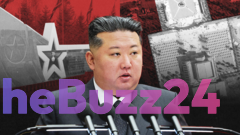
Commissioned by leader Kim Jong Un, the memorial complex functions as both a cemetery and a columbarium. It includes 278 outdoor graves designated for those cited for ‘extraordinary valor’ and a central structure capable of housing at least 1,000 urns. The public nature of this site marks a notable departure from the regime’s typical secrecy regarding military losses, indicating a strategic effort to frame the deaths as heroic sacrifices for the state rather than a failure of policy.
Observers suggest that the construction of this monument is a calculated move to manage domestic sentiment and validate the deepening military alliance between Pyongyang and Moscow. By formally honoring the fallen, the regime aims to mitigate potential unrest among bereaved families while reinforcing the narrative that the partnership is essential for national security. The memorial stands as a permanent testament to the high price North Korea is paying for the food, financial aid, and technical support it receives in exchange for its military involvement in the conflict.
Key Takeaways
- A new Pyongyang memorial lists 2,304 names, providing concrete evidence of the scale of North Korean casualties in the Russia-Ukraine conflict.
- The memorial complex includes 278 outdoor graves and a columbarium with a capacity for at least 1,000 urns.
- The state is using the monument to justify the military alliance with Russia and manage domestic public opinion regarding the high casualty rate.
Editor’s Analysis & Impact
The unveiling of this memorial represents a significant shift in North Korean propaganda strategy. Historically, the regime has gone to great lengths to obscure military failures or high casualty counts to maintain an image of invincibility. By choosing to memorialize these soldiers, Pyongyang is signaling that the strategic benefits of the Russia-North Korea partnership—namely access to technology, food, and hard currency—outweigh the domestic political risks of acknowledging thousands of deaths. This move suggests a long-term commitment to the conflict, as the state is now institutionalizing the sacrifice of its troops. Moving forward, the international community will likely view this site as a primary indicator of the intensity of North Korean involvement in the war, as the monument’s capacity and the density of names provide a clear metric for the human cost of this geopolitical alignment.
Frequently Asked Questions
Q: Why did North Korea build this memorial?
A: The memorial serves to honor fallen soldiers, justify the military alliance with Russia to the North Korean public, and prevent domestic discontent by formally recognizing the sacrifices made by the troops.
Q: How many North Korean soldiers are estimated to have died in the conflict?
A: While the memorial lists 2,304 names, intelligence estimates suggest that out of approximately 11,000 deployed personnel, the total number of killed or wounded could be as high as 6,000.
AI Disclosure: This article is based on verified data and official reports. Our Team and AI have cross-referenced every financial detail with primary sources to ensure total accuracy.
More from this Category