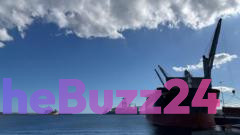
Tenerife Prepares for High-Stakes Arrival of Hantavirus-Stricken Cruise Ship
Authorities in Tenerife are finalizing extensive containment protocols as the cruise ship MV Hondius approaches the Canary Islands following a confirmed hantavirus outbreak on board. To ensure public safety and prevent the spread of the virus, officials have established a strict one-nautical-mile security perimeter around the vessel. The ship is scheduled to remain anchored at sea, maintaining isolation while specialized medical teams prepare to board the vessel to conduct comprehensive health screenings for all passengers and crew.
A complex international repatriation operation is currently underway to manage the safe disembarkation of more than 100 individuals. Once medical professionals clear the passengers, they will be transported to the coast via small boats and immediately transferred to charter aircraft. These flights, coordinated by the United Kingdom, the United States, and Spain, will move the passengers to their respective home countries. Spanish citizens are expected to be transported to Madrid, where they will enter mandatory quarantine at the Gomez Ulla military hospital for observation.
Despite local concerns regarding the arrival of the vessel, health officials have emphasized that the risk of transmission to the general public remains minimal. The Andes strain of hantavirus, typically associated with rodent contact, rarely spreads between humans without close, prolonged interaction. As a precautionary measure, intensive care units at Tenerife’s Candelaria hospital have been placed on high alert, with medical staff equipped with specialized isolation facilities and full protective gear to handle any potential health complications during the transfer process.
Key Takeaways
- A one-nautical-mile security perimeter has been established around the MV Hondius to contain a hantavirus outbreak.
- Over 100 passengers and crew are being repatriated via charter flights to the U.S., U.K., and Spain following medical clearance.
- Health officials maintain that the risk of public contagion is low, as the Andes strain of hantavirus typically requires close contact for transmission.
Editor’s Analysis & Impact
The situation involving the MV Hondius highlights the ongoing logistical and public health challenges associated with managing infectious disease outbreaks in the cruise industry. While the risk of a widespread hantavirus outbreak is low due to the nature of the virus’s transmission, the incident underscores the necessity for robust international cooperation in maritime health emergencies. The rapid coordination between multiple nations to repatriate citizens demonstrates a sophisticated level of crisis management. However, the incident also reveals the vulnerability of cruise operations to localized health crises, which can trigger significant public anxiety and require immediate, transparent communication from authorities. Moving forward, this event will likely lead to stricter health screening protocols for vessels operating in remote or high-risk regions to prevent similar disruptions to international travel and public health safety.
Frequently Asked Questions
Q: How is the hantavirus transmitted in this context?
A: The Andes strain of hantavirus is primarily linked to rodent activity. Human-to-human transmission is rare and typically requires close, prolonged contact.
Q: What happens to the passengers once they arrive in Spain?
A: Passengers who are Spanish nationals will be flown to Madrid and placed under mandatory quarantine at the Gomez Ulla military hospital to monitor for symptoms.
AI Disclosure: This article is based on verified data and official reports. Our Team and AI have cross-referenced every financial detail with primary sources to ensure total accuracy.
More from this Category