Oil Markets Weather Strait of Hormuz Storm: US-China Actions Key to Stability
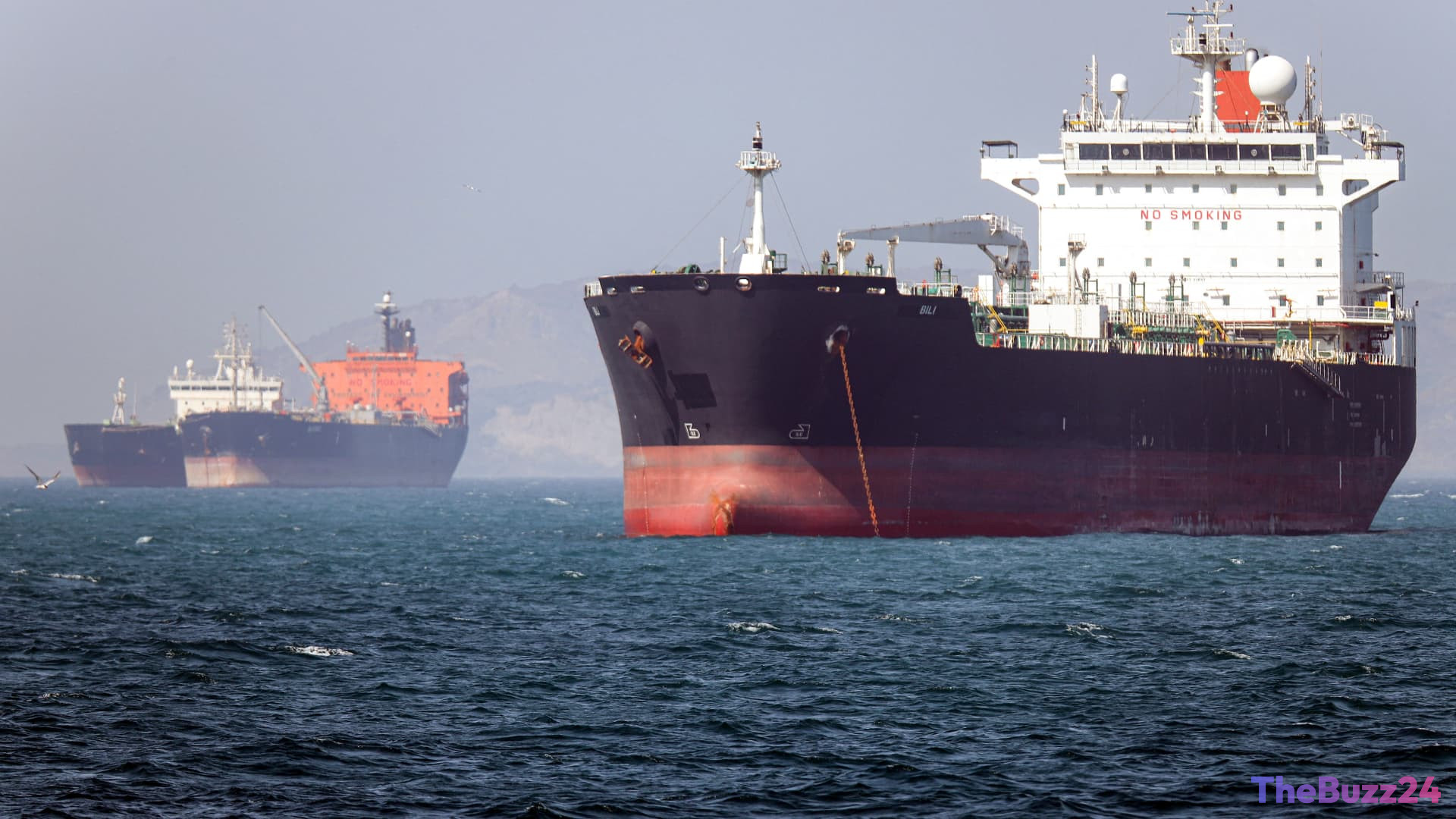
Global oil markets have displayed remarkable resilience, maintaining stability despite a significant supply shock originating from the Middle East. The disruption, triggered by Iran’s actions in the critical Strait of Hormuz, had the potential to halt an estimated 10 million barrels per day of exports, a substantial fraction of the world’s energy supply. However, crude oil benchmarks have largely held steady, trading near the $100 per barrel mark. This price stability is notably less volatile than seen in past, smaller supply interruptions, indicating effective market management and strategic responses.
The stabilization is primarily attributed to the coordinated efforts of two of the world’s largest economies, the United States and China. The U.S., a major oil producer, significantly boosted its exports from sources outside the Middle East, injecting approximately 3.5 million barrels per day back into the global supply chain. Concurrently, China, the world’s leading oil importer, substantially reduced its crude purchases by about 3.6 million barrels per day. These complementary actions effectively compensated for a considerable portion of the supply shortfall from the Persian Gulf region.
Further bolstering market equilibrium, other major importing nations, including Japan, South Korea, and India, collectively decreased their import volumes by an additional 3.6 million barrels per day. This widespread demand reduction, combined with increased U.S. supply, helped to absorb the shock. High-level diplomatic discussions between U.S. and Chinese leadership also underscored a shared interest in preserving open energy transit routes, particularly through the Strait of Hormuz.
While the immediate crisis has been navigated, questions remain about the long-term sustainability of these mitigation strategies. China’s substantial strategic petroleum reserves provide a crucial buffer for its reduced imports. In contrast, U.S. inventories, including its strategic reserve, are experiencing increased pressure due to the surge in export volumes drawing down existing stockpiles. The commitment to maintaining global energy flow remains a paramount focus, with ongoing efforts to bolster supply and manage market volatility.
Key Takeaways
- Global oil markets remained stable despite a 10 million bpd supply shock from the Strait of Hormuz blockade.
- Coordinated actions by the U.S. (increased exports) and China (reduced imports) were crucial in stabilizing prices.
- Long-term market stability is a concern, with U.S. inventories facing pressure while China's reserves provide a buffer.
Editor’s Analysis & Impact
The recent stabilization of global oil markets amidst the Strait of Hormuz crisis highlights the significant influence of major economic powers in managing energy supply disruptions. The coordinated efforts by the U.S. and China underscore their mutual dependence on stable energy flows and their capacity to deploy strategic measures, such as export adjustments and reserve utilization. However, the reliance on drawing down existing inventories, particularly in the U.S., raises concerns about future supply security and price volatility. The situation emphasizes the geopolitical fragility of key energy chokepoints and the increasing interconnectedness of global energy trade, suggesting a continued need for diplomatic cooperation and strategic reserve management to navigate future crises.
Frequently Asked Questions
Q: What caused the recent disruption in global oil markets?
A: The disruption was caused by Iran's blockade of the Strait of Hormuz, which halted approximately 10 million barrels per day of oil exports from the Persian Gulf region.
Q: How did the U.S. and China contribute to stabilizing oil prices?
A: The U.S. increased its oil exports from non-Middle Eastern sources by about 3.5 million bpd, while China reduced its crude oil imports by approximately 3.6 million bpd. These actions collectively offset a significant portion of the lost supply.
Q: What are the long-term concerns for U.S. oil inventories?
A: The surge in U.S. oil exports to compensate for the supply shock has largely drawn down existing stockpiles, including its strategic reserve, putting considerable pressure on U.S. inventories for the future.
AI Disclosure: This article is based on verified data and official reports. Our Team and AI have cross-referenced every financial detail with primary sources to ensure total accuracy.
More from this Category