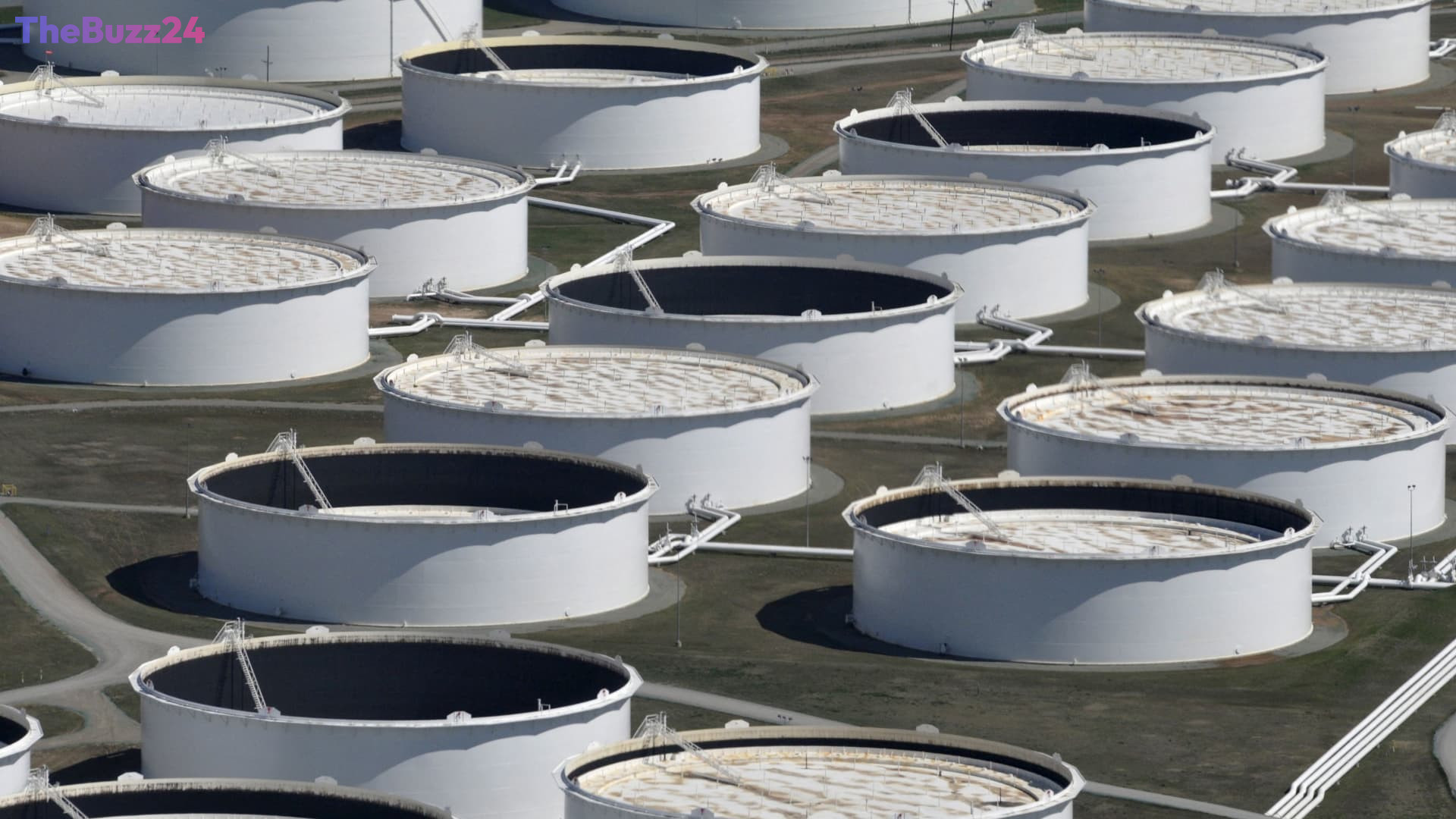
Global Energy Security at Risk as Oil Reserves Plunge Toward Historic Lows
Global oil inventories are experiencing a rapid decline, approaching levels not seen in decades. This depletion is largely driven by persistent supply chain interruptions in the Middle East, raising alarms among energy analysts. If critical transit routes like the Strait of Hormuz face extended blockages, the world could see a massive surge in energy costs as the cushion provided by commercial and strategic reserves evaporates. The current trend suggests that the traditional safeguards against supply shocks are eroding faster than anticipated.
Financial institutions are closely monitoring the situation with growing concern. Analysts at UBS have projected that total global inventories could drop to approximately 7.6 billion barrels by the end of May, a threshold that would place immense pressure on the international supply chain. JPMorgan experts have noted that the margin for error is razor-thin, with only about 800 million barrels currently available for immediate use without interfering with standard operations. This lack of liquidity in the oil market makes the global economy highly sensitive to any further geopolitical friction.
The International Energy Agency (IEA) has highlighted that these shrinking buffers, combined with ongoing geopolitical instability, are a precursor to potential price volatility. This is particularly concerning as the global economy enters the peak summer demand season. Projections suggest that if the Strait of Hormuz remains inaccessible, inventories could plummet to a critical 6.8 billion barrels by September, while Rapidan Energy warns that refined product stocks could hit dangerous lows as early as July or August.
While the prospect of a total supply exhaustion is considered unlikely, the mechanism for prevention is equally daunting. Market experts anticipate that the primary response to these low levels will be a sharp, aggressive increase in oil prices. This spike is intended to force a reduction in consumption—a process known as demand destruction—which could trigger a significant economic slowdown. This correction is expected to manifest before the end of the third quarter as the market struggles to find a new equilibrium between scarce supply and cooling demand.
Key Takeaways
- Global oil stockpiles are nearing a critical threshold of 7.6 billion barrels, driven by Middle East instability and supply disruptions.
- A potential closure of the Strait of Hormuz could drive reserves down to a dangerous 6.8 billion barrels by late summer, severely stressing the supply chain.
- Market analysts expect sharp price hikes to trigger 'demand destruction' and economic contraction as a necessary but painful way to rebalance the market.
Editor’s Analysis & Impact
The current trajectory of global oil reserves signals a period of intense volatility for the energy sector. The erosion of traditional buffers—commercial stocks and strategic reserves—leaves the global economy vulnerable to even minor supply shocks. The Strait of Hormuz remains the ultimate wildcard; its strategic importance cannot be overstated, as it serves as the primary artery for global crude. While the market is designed to self-correct through price mechanisms, the ‘cure’ of demand destruction often results in a painful economic recession. For investors and policymakers, this situation highlights the fragility of the current energy infrastructure. Moving forward, we can expect a renewed focus on energy independence and the acceleration of alternative energy adoption as nations seek to insulate themselves from the geopolitical risks inherent in the fossil fuel supply chain.
Frequently Asked Questions
Q: Why is the Strait of Hormuz so significant to oil prices?
A: It is a narrow waterway through which a massive portion of the world's seaborne oil passes. Any disruption there immediately restricts global supply, leading to rapid price increases.
Q: What is 'demand destruction' in the context of the oil market?
A: It occurs when prices rise so high that consumers and industries are forced to reduce their usage, effectively lowering demand to match the limited supply, often leading to economic contraction.
Q: Can strategic reserves prevent a price spike?
A: While releasing strategic reserves can provide temporary relief, they are finite. If the underlying supply issues persist, the market will eventually rely on higher prices to balance itself.
AI Disclosure: This article is based on verified data and official reports. Our Team and AI have cross-referenced every financial detail with primary sources to ensure total accuracy.
More from this Category