Jerusalem Flag March Sparks High Tensions Amid Heavy Security and Geopolitical Divide
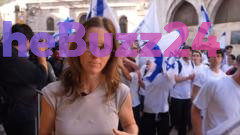
Tens of thousands of Israeli nationalists recently paraded through the historic Old City of Jerusalem for the annual Flag March, an event celebrating the capture and unification of the city during the 1967 Six-Day War. The procession, which winds through highly sensitive areas including the Muslim Quarter, remains a major flashpoint for regional conflict. While participants framed the march as a joyful expression of national pride, the event was shadowed by reports of provocative chanting and physical confrontations targeting local Palestinian residents and shopkeepers.
The route of the march underscores the deep-seated international dispute over Jerusalem’s sovereignty. Israel claims the entirety of Jerusalem as its undivided capital, a stance cemented by its annexation of East Jerusalem. However, this claim lacks recognition from the vast majority of the international community, including key Western allies like the United Kingdom, who argue that the city’s ultimate status must be resolved through direct peace negotiations between Israelis and Palestinians.
To prevent widespread violence, Israeli authorities deployed a massive security apparatus, lining the narrow stone corridors of the Old City with heavily armed police officers. The atmosphere throughout the day was highly polarized, marked by a stark contrast between the flag-waving demonstrators and the shuttered shops of anxious Palestinian residents who feared property damage and harassment.
As the crowds dispersed, the event once again highlighted the fragile security situation in the region. Human rights organizations and international observers warned that such highly charged demonstrations continue to erode prospects for peaceful coexistence, leaving policymakers to grapple with the recurring cycle of civil unrest sparked by these annual commemorations.
Key Takeaways
- The annual Jerusalem Flag March drew tens of thousands of participants to celebrate the city's 1967 unification, navigating highly sensitive areas of the Old City.
- Heavy security forces were deployed to manage the stark divide and prevent clashes between nationalist marchers and local Palestinian residents.
- The event highlights ongoing global disputes, as the international community largely rejects Israel's unilateral annexation of East Jerusalem.
Editor’s Analysis & Impact
The annual Flag March in Jerusalem serves as a microcosm of the broader, unresolved Israeli-Palestinian conflict. By routing the march through the Muslim Quarter, organizers assert sovereignty over contested spaces, which inevitably escalates local and regional tensions. From a geopolitical perspective, the event highlights the widening chasm between Israeli domestic policy and international consensus. Major global powers continue to advocate for a negotiated two-state solution, viewing unilateral actions in East Jerusalem as obstacles to long-term stability. Moving forward, these annual demonstrations are likely to remain a recurring trigger for civil unrest, testing the limits of local security forces and complicating diplomatic efforts to foster peace in the Middle East.
Frequently Asked Questions
Q: What is the significance of the Jerusalem Flag March?
A: The march is an annual event held on Jerusalem Day to celebrate the capture and unification of East and West Jerusalem by Israeli forces during the 1967 Six-Day War.
Q: Why does the march route cause controversy?
A: The route passes through the Muslim Quarter of the Old City, which many Palestinians and international observers view as a deliberate provocation, often leading to confrontations and disruption of local Palestinian businesses.
Q: What is the international stance on East Jerusalem?
A: Most of the international community does not recognize Israel's annexation of East Jerusalem, maintaining that the final status of the city must be decided through diplomatic negotiations between Israel and Palestine.
AI Disclosure: This article is based on verified data and official reports. Our Team and AI have cross-referenced every financial detail with primary sources to ensure total accuracy.
More from this Category