Precision at Sea: The Complex Logistics of Returning Artemis II Astronauts
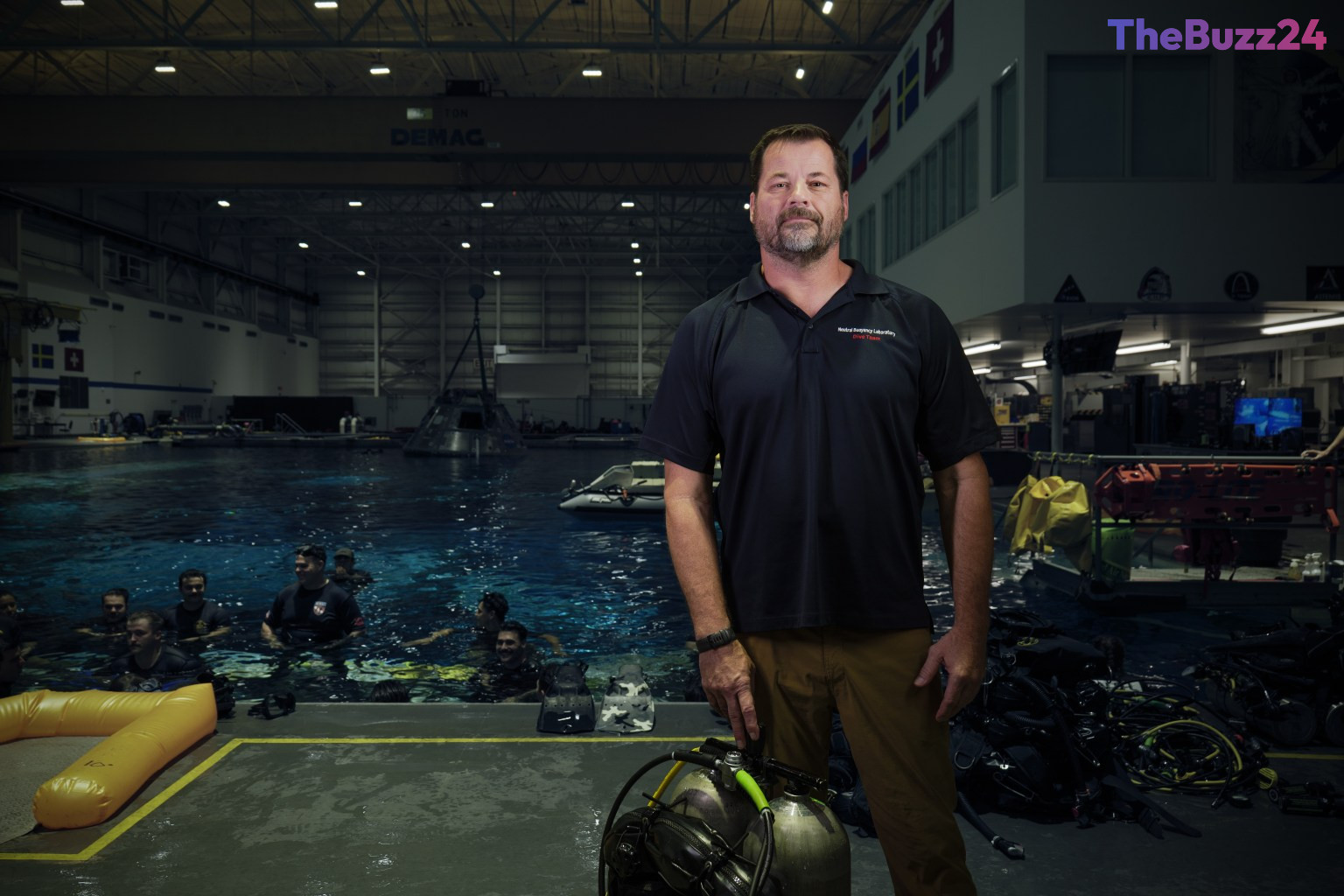
The successful conclusion of the Artemis II mission marks a pivotal moment in deep-space exploration, shifting the focus from uncrewed testing to the high-stakes reality of human spaceflight. Following the Orion spacecraft’s splashdown in the Pacific Ocean near San Diego, a highly synchronized recovery operation was initiated to ensure the safe retrieval of the crew. Led by open water expert Tim Goddard, the mission required seamless coordination between U.S. Navy divers and specialized personnel to secure the astronauts immediately upon their return to Earth.
Executing this recovery is a logistical challenge of immense proportions. The operation demands the simultaneous management of multiple small boats, a fleet of helicopters, and a primary amphibious Navy ship. Beyond the immediate extraction of the crew, the team must navigate complex aviation logistics, vessel traffic control, and stringent medical protocols. Once the astronauts are safely aboard the ship, the mission continues with the recovery of the Orion capsule itself, a delicate process that can span up to nine hours to ensure the hardware is retrieved without damage.
To manage the inherent risks of deep-space recovery, teams undergo years of rigorous, repetitive training. Preparations begin in the controlled environment of the Neutral Buoyancy Laboratory at the Johnson Space Center in Houston, where divers practice underwater procedures in a massive indoor pool. This training eventually transitions to real-world conditions, moving from bay operations to the unpredictable nature of the open ocean. This exhaustive preparation ensures that the recovery team operates with muscle memory, allowing them to execute a practiced routine under pressure.
With over a decade of experience as an open water lead, Tim Goddard emphasizes that the presence of human crew members has fundamentally altered the mission’s scope. While previous uncrewed flights like Artemis I focused primarily on hardware retrieval, the current objective prioritizes the immediate health and safety of the astronauts. This shift in responsibility underscores the gravity of the mission, as the recovery team remains the final safety net for those returning from the lunar surface.
Key Takeaways
- The Artemis II recovery operation requires the complex coordination of Navy ships, helicopters, and specialized dive teams to ensure astronaut safety.
- Recovery teams utilize extensive, multi-stage training, starting in controlled pool environments and progressing to open-ocean conditions.
- The mission objective has evolved from simple hardware retrieval in uncrewed tests to prioritizing the immediate medical and physical well-being of human crew members.
Editor’s Analysis & Impact
The recovery of the Artemis II crew represents a critical evolution in the commercial and governmental space sector. As humanity pushes toward sustained lunar presence and eventual Mars missions, the ability to safely retrieve crews from the ocean becomes a foundational capability. The industry is moving away from experimental phases toward operational consistency, where the ‘splashdown’ is no longer just a test of hardware, but a routine logistical procedure. The reliance on U.S. Navy assets highlights the necessary synergy between military infrastructure and space exploration. Future outlooks suggest that as mission frequency increases, these recovery operations will need to become faster and more autonomous to support a growing cadence of deep-space travel, potentially driving innovations in maritime robotics and rapid-response medical technology.
Frequently Asked Questions
Q: Why is the recovery of the Orion capsule considered a separate, complex task?
A: Recovering the capsule is a secondary, time-intensive process that can take up to nine hours after the crew has been retrieved, requiring careful handling to preserve the integrity of the spacecraft and its data.
Q: How does the training for Artemis II differ from previous uncrewed missions?
A: While previous missions focused on hardware retrieval, the Artemis II training emphasizes the immediate safety, medical needs, and extraction of human astronauts, which adds a significant layer of urgency and responsibility to the recovery team.
AI Disclosure: This article is based on verified data and official reports. Our Team and AI have cross-referenced every financial detail with primary sources to ensure total accuracy.
More from this Category