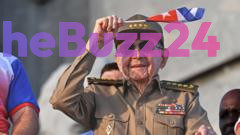
Beijing Rebukes U.S. Over Indictment of Former Cuban Leader Raúl Castro
A U.S. court has formally indicted former Cuban leader Raúl Castro, charging the 94-year-old with conspiracy to commit murder. The legal action stems from the 1996 downing of two aircraft operated by the dissident group Brothers to the Rescue, an incident that resulted in the deaths of three U.S. citizens and one other individual. Given his role as the head of the armed forces at the time of the event, Castro faces severe legal jeopardy, with potential sentences including life imprisonment or the death penalty if he were to be apprehended and convicted.
The indictment has drawn a sharp rebuke from Beijing, which characterized the move as an attempt by Washington to weaponize its judicial system for political leverage. In a formal statement, the Chinese foreign ministry condemned the charges as an infringement on Cuba’s national sovereignty and an act of external interference. Chinese officials have called on the U.S. to cease its reliance on legal threats and sanctions, asserting that such measures destabilize international diplomatic norms.
Meanwhile, the government in Havana has rejected the indictment as a baseless, politically motivated maneuver. This development occurs against a backdrop of intensified U.S. pressure on Cuba, including executive orders that have targeted the island’s energy, financial, and defense sectors. These sanctions have exacerbated existing economic challenges, including widespread food shortages and recurring power grid failures.
The situation underscores the deepening strategic alignment between Havana and Beijing, a partnership that has expanded significantly since Cuba joined China’s Belt and Road Initiative in 2018. As Washington continues its hardline stance, the international community is closely monitoring how these shifting geopolitical alliances will impact regional stability and future diplomatic relations.
Key Takeaways
- Former Cuban leader Raúl Castro has been indicted by a U.S. court for conspiracy to commit murder regarding a 1996 aircraft incident.
- China has publicly condemned the indictment, viewing it as an act of political coercion and a violation of Cuban sovereignty.
- The legal move further strains U.S.-Cuba relations while highlighting the strengthening strategic ties between Havana and Beijing.
Editor’s Analysis & Impact
The indictment of Raúl Castro marks a significant escalation in the use of extraterritorial legal action as a primary instrument of foreign policy. By pursuing a former head of state for events occurring nearly three decades ago, the U.S. is signaling a shift toward more aggressive accountability measures, which carries substantial geopolitical risk. The immediate consequence is a hardening of the alliance between Cuba and China, as Beijing leverages the situation to portray the U.S. as an overreaching hegemon. For the broader market, this signals continued instability in the Caribbean, likely deterring foreign investment in sectors currently under U.S. sanctions. Looking ahead, this case may set a contentious precedent for how international law addresses historical actions by foreign leaders, potentially triggering a cycle of retaliatory legal maneuvers between competing global powers.
Frequently Asked Questions
Q: What is the basis for the U.S. indictment against Raúl Castro?
A: The indictment is based on allegations of conspiracy to commit murder related to the 1996 downing of two aircraft operated by the dissident group Brothers to the Rescue, which resulted in four deaths.
Q: Why has China publicly criticized the U.S. legal action?
A: China views the indictment as an example of political coercion and an infringement on Cuba's national sovereignty, reflecting Beijing's commitment to supporting its strategic partner in the face of U.S. pressure.
Q: What are the potential legal consequences for Raúl Castro?
A: If found guilty of the charges, Castro could face penalties ranging from life imprisonment to the death penalty.
AI Disclosure: This article is based on verified data and official reports. Our Team and AI have cross-referenced every financial detail with primary sources to ensure total accuracy.
More from this Category