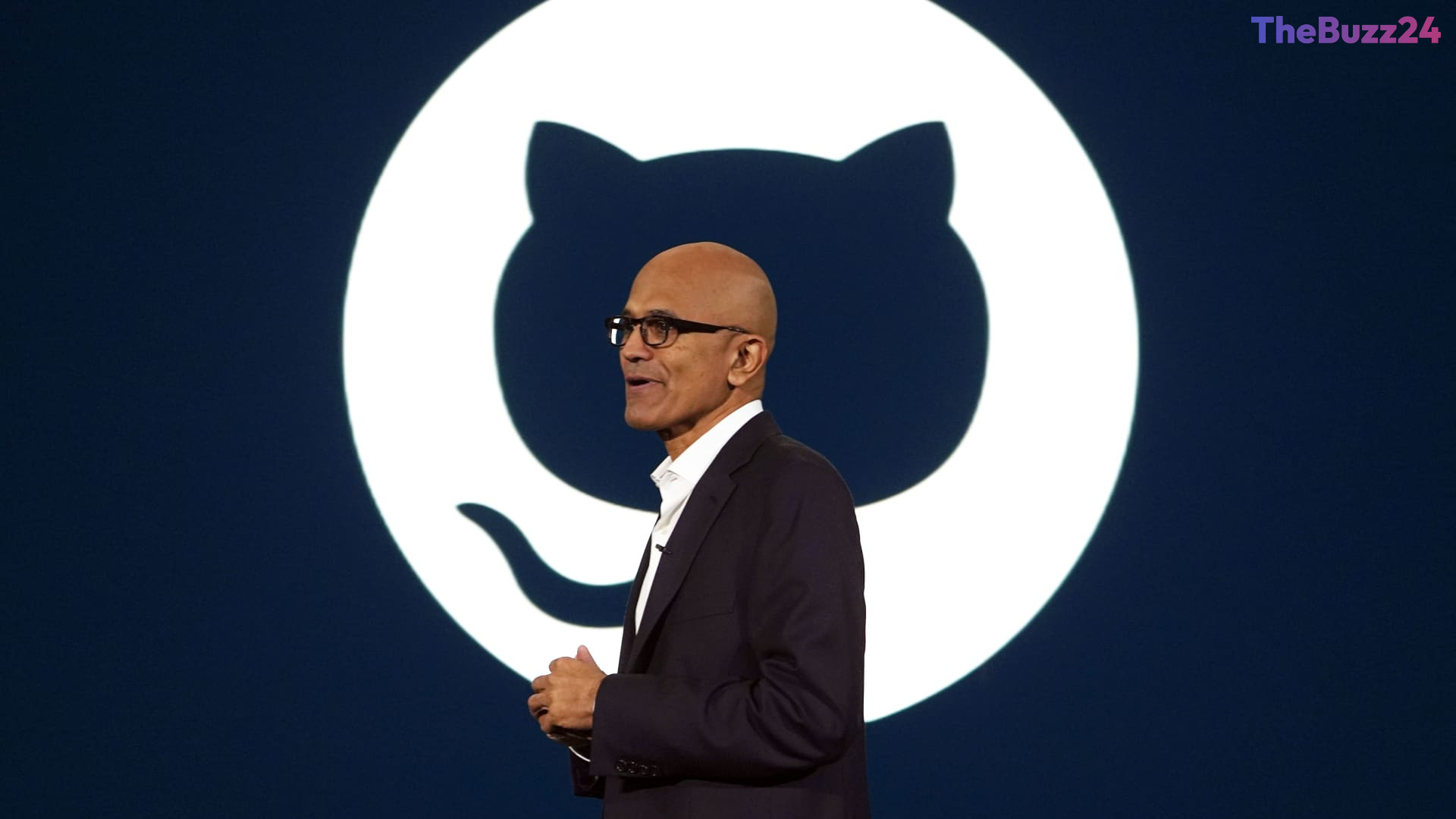
GitHub’s Infrastructure Woes Threaten Microsoft’s AI Dominance in Evolving Coding Landscape
GitHub, long considered a foundational platform for software developers globally, is currently navigating a period of significant operational instability. This turbulence poses a direct challenge to Microsoft’s extensive artificial intelligence strategy, particularly as the burgeoning trend of “vibe coding”—where agentic AI automates substantial portions of software development—places unprecedented demands on digital infrastructure. A series of persistent outages has plagued GitHub, leading to considerable frustration among its enterprise user base and prompting some organizations to investigate alternative platforms such as GitLab, Atlassian, and various cloud-based solutions.
The platform’s capacity to scale effectively has been hampered by a combination of internal difficulties, including notable executive turnover and a protracted, complex migration process to Microsoft’s Azure cloud. While GitHub maintains its position as a widely utilized repository for collaborative development, its initial advantage in the generative AI market is steadily diminishing. More agile competitors, including Cursor and Anthropic’s Claude Code, are gaining traction, eroding GitHub’s early lead. Despite being an early innovator with Copilot in the AI-assisted coding domain, the platform has struggled to sustain its competitive edge as independent tools increasingly appeal to professional developers.
The mounting strain on GitHub’s infrastructure has reached a point where major corporations are actively implementing fail-safe measures or exploring alternative development environments to ensure uninterrupted pipelines. Compounding the issue, recent security vulnerabilities and contentious adjustments to Copilot’s pricing models have further fueled dissatisfaction within the developer community. Critics suggest that GitHub’s strategic focus may have diverged, leaving it susceptible to rivals better equipped to handle the intensive computational requirements of contemporary AI agents.
For Microsoft, these developments represent a substantial obstacle in its ambitious pursuit of the AI market. Despite considerable investments in artificial intelligence, the tech giant has found it challenging to translate its initial advantages into a consistently seamless user experience. With leadership transitions underway and its core infrastructure struggling to keep pace with the rapid evolution of the industry, GitHub faces an urgent imperative: to re-establish its reputation as a dependable hub for serious software development, lest its crucial user base seeks solutions elsewhere.
Key Takeaways
- GitHub is experiencing significant infrastructure instability and persistent outages, frustrating enterprise users and prompting them to seek alternatives.
- Internal challenges and the rise of agile competitors like Cursor and Anthropic’s Claude Code are eroding GitHub's early lead in the generative AI market.
- These issues pose a substantial threat to Microsoft's broader AI strategy, requiring GitHub to urgently restore its reliability and competitive edge to prevent user migration.
Editor’s Analysis & Impact
This situation underscores the critical importance of robust and scalable infrastructure in the rapidly evolving landscape of AI-driven software development. GitHub’s struggles could accelerate a diversification within the developer tool market, providing significant opportunities for agile competitors like GitLab and specialized AI coding platforms. For Microsoft, this represents a substantial reputational risk and a potential impediment to its ambitious AI strategy, despite massive investments. If GitHub cannot swiftly resolve its reliability and scaling challenges, it risks a significant exodus of its enterprise user base, which would have profound long-term implications for its ecosystem dominance. The demands of ‘vibe coding’ necessitate a new standard of infrastructure resilience, and platforms that successfully meet this will secure a decisive competitive advantage in the coming years. This also highlights the inherent challenges even established tech giants face in adapting to new technological paradigms, emphasizing that core reliability remains paramount.
Frequently Asked Questions
Q: What is "vibe coding" and how does it impact GitHub?
A: "Vibe coding" refers to the increasing use of agentic AI to automate significant portions of software development. This trend places unprecedented computational and infrastructure demands on platforms like GitHub, contributing to its current reliability issues and outages.
Q: Which competitors are challenging GitHub's position?
A: Several competitors are gaining ground, including established platforms like GitLab and Atlassian, as well as more specialized AI coding tools such as Cursor and Anthropic’s Claude Code. These alternatives are attracting users frustrated by GitHub's instability and seeking more agile solutions.
Q: Why are GitHub's issues a concern for Microsoft?
A: GitHub is a cornerstone of Microsoft's broader artificial intelligence strategy, especially with products like Copilot. Its instability and loss of competitive edge directly undermine Microsoft's efforts to capitalize on the AI boom, potentially impacting its market position and return on significant AI investments.
AI Disclosure: This article is based on verified data and official reports. Our Team and AI have cross-referenced every financial detail with primary sources to ensure total accuracy.
More from this Category