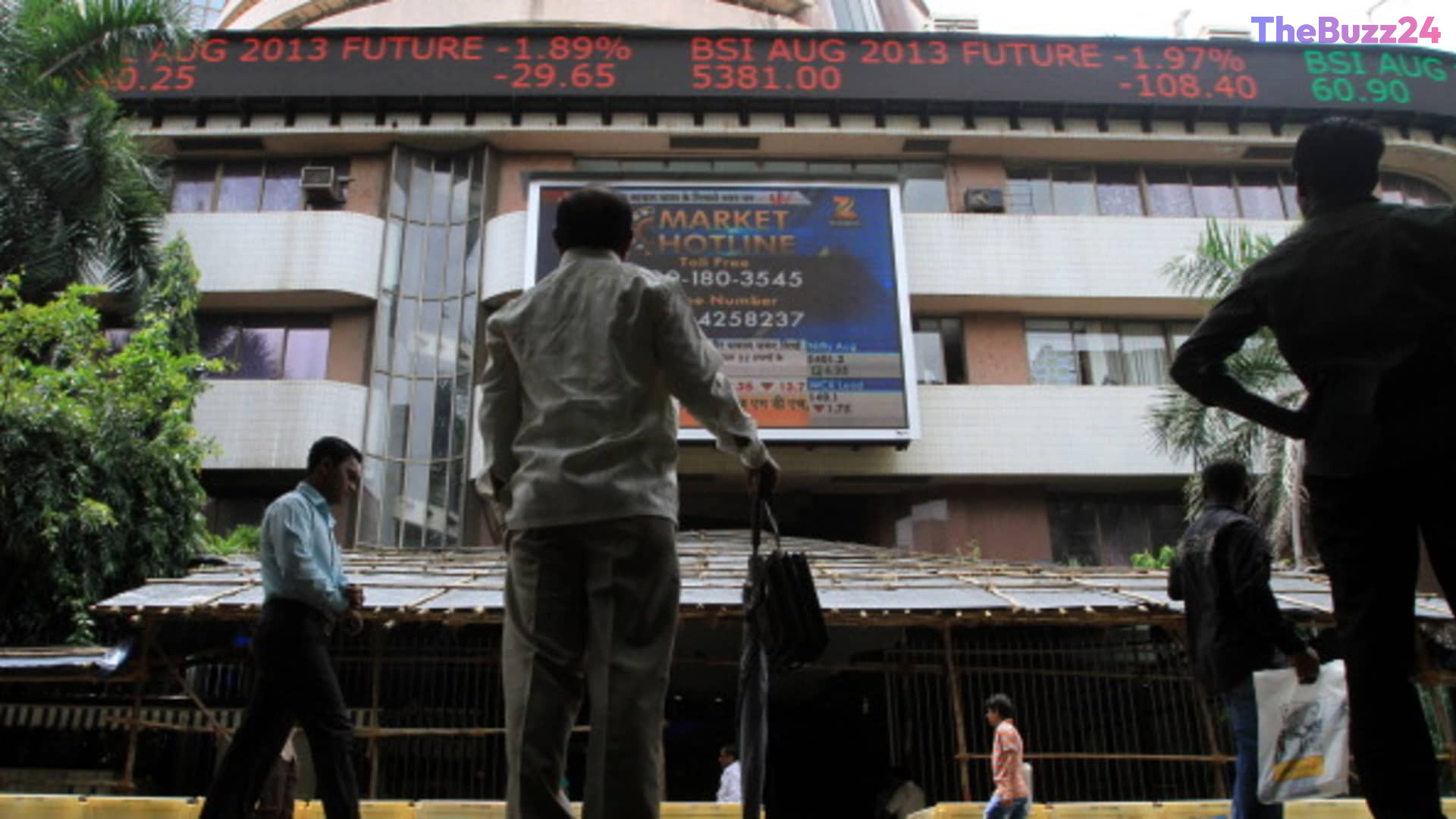
Market Shift: Taiwan and South Korea Overtake India as AI Boom Reshapes Asian Equities
Global investor sentiment has undergone a dramatic shift in recent months, as the explosive growth of artificial intelligence has propelled the stock markets of Taiwan and South Korea past India. While India was long celebrated as a premier destination for capital, the current market landscape is being dominated by the massive valuations of AI-focused giants such as TSMC, Samsung, and SK Hynix. This pivot has left India, which lacks a significant domestic AI manufacturing ecosystem, struggling to retain its standing among international institutional investors.
The decline in India’s market position is compounded by a cooling domestic consumption story. Once the primary driver of the nation’s economic narrative, household spending is now under pressure from persistent inflation, a weakening currency, and a slowdown in quality job creation. Data indicates that foreign investors have offloaded $27.6 billion in Indian equities since the start of the year, a significant increase compared to the $18.9 billion sold throughout the entirety of 2025. Consequently, India has slipped from its position as the world’s fifth-largest equity market, falling behind both Taiwan and South Korea in rapid succession.
Analysts point to a combination of high valuations and a lackluster earnings cycle as primary reasons for the exodus. While Indian stocks have traded at premium multiples, corporate earnings growth has remained moderate, further dampened by rising input costs linked to geopolitical instability in the Middle East. Furthermore, the rise of global automation and robotics is challenging the long-term viability of India’s traditional competitive advantage: low-cost labor. As the IT sector faces questions regarding its ability to pivot toward high-capital AI innovation, the outlook for foreign capital inflows remains cautious, even if immediate geopolitical tensions were to subside.
Key Takeaways
- Taiwan and South Korea have surpassed India in market capitalization, driven by massive gains in AI-related technology stocks.
- Foreign investors have withdrawn $27.6 billion from Indian equities this year, signaling a significant shift in global market confidence.
- India's domestic consumption story is weakening due to inflation, currency devaluation, and a lack of exposure to the high-growth AI sector.
Editor’s Analysis & Impact
The current market rotation highlights a critical juncture for emerging markets. Investors are increasingly prioritizing ‘thematic alpha’—specifically AI infrastructure—over traditional growth narratives like domestic consumption. India’s struggle to pivot its IT-heavy service sector toward hardware-centric AI manufacturing has created a valuation gap that is difficult to justify when compared to the tangible earnings growth seen in the semiconductor hubs of East Asia. The broader implication is that India’s ‘demographic dividend’ and low-cost labor model are facing a structural challenge from automation. Unless India can successfully integrate into the global AI supply chain or stabilize its domestic consumption through policy intervention, it may continue to see its weightage in global indices decline as capital remains concentrated in the tech-heavy markets of its regional peers.
Frequently Asked Questions
Q: Why are global investors moving capital away from India?
A: Investors are shifting capital toward markets with strong exposure to artificial intelligence, such as Taiwan and South Korea, while simultaneously reacting to India's cooling domestic consumption and high equity valuations.
Q: How has the AI boom impacted Asian market rankings?
A: The AI boom has significantly increased the market capitalization of companies like TSMC and Samsung, allowing Taiwan and South Korea to overtake India in total market value within a short timeframe.
AI Disclosure: This article is based on verified data and official reports. Our Team and AI have cross-referenced every financial detail with primary sources to ensure total accuracy.
More from this Category