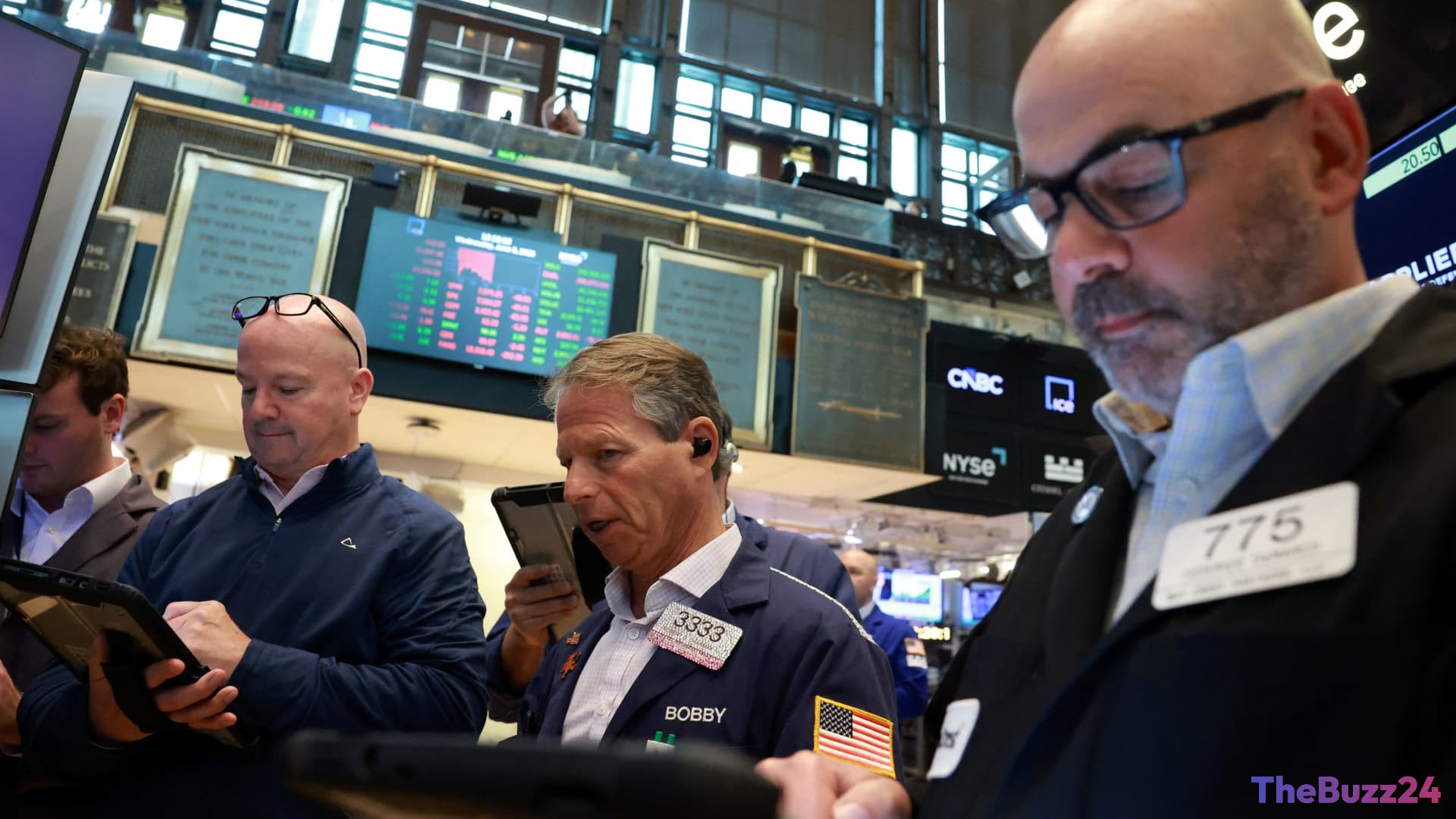
Geopolitical Flares and Inflation Fears Spark Broad Wall Street Sell-Off
Global financial markets experienced a sharp downturn on Wednesday as escalating geopolitical tensions in the Middle East and persistent inflation concerns rattled investor confidence. The Dow Jones Industrial Average plunged over 850 points, representing a 1.7% drop, while the S&P 500 and Nasdaq Composite fell 1.5% and 2% respectively. The sell-off intensified following stern warnings from President Donald Trump regarding stalled negotiations with Iran, coupled with retaliatory military strikes by U.S. forces in the Strait of Hormuz.
The geopolitical friction immediately impacted energy markets, sending West Texas Intermediate crude oil futures up by 3% to surpass $91 per barrel. Simultaneously, the high-flying semiconductor sector faced severe downward pressure. Major chipmakers, including Micron Technology, Advanced Micro Devices, and Broadcom, saw their shares slide. Analysts pointed to a mix of profit-taking after a massive year-to-date rally and tactical portfolio adjustments by retail investors preparing for the upcoming SpaceX initial public offering.
On the macroeconomic front, newly released inflation data presented a mixed picture. The core consumer price index (CPI) for May, which excludes volatile food and energy costs, rose by a modest 0.2% monthly and 2.9% annually. However, the headline annual inflation rate surged past 4% for the first time in three years, driven largely by rising energy costs. This persistent inflationary pressure continues to challenge the Federal Reserve’s target of 2%, complicating the outlook for future monetary policy.
Despite the widespread market retreat, defensive consumer stocks showed remarkable resilience. Household names like Coca-Cola and TJX Companies bucked the downward trend to reach fresh all-time highs. Meanwhile, international markets mirrored Wall Street’s anxiety, with major European bourses closing in the red and Asian tech giants, including SoftBank and Samsung, suffering steep losses amid the global technology sector pullback.
Key Takeaways
- U.S. stock indexes fell sharply, led by an 850-plus point drop in the Dow, triggered by rising military and diplomatic tensions between the U.S. and Iran.
- Oil prices surged past $91 a barrel, while semiconductor and technology stocks bore the brunt of the market sell-off globally.
- May's headline inflation rate climbed above 4% for the first time in three years, though core CPI remained relatively stable at 2.9% annually.
Editor’s Analysis & Impact
The sudden market downturn highlights the fragile state of investor sentiment, which remains highly sensitive to geopolitical shocks and energy price volatility. While the artificial intelligence boom has driven equities to record highs in recent months, the threat of a prolonged conflict in the Middle East is forcing a rapid reassessment of risk. Higher oil prices threaten to feed back into headline inflation, potentially delaying anticipated interest rate cuts by the Federal Reserve. Furthermore, the rotation out of high-flying tech stocks into defensive consumer staples like Coca-Cola suggests that institutional investors are positioning for a more volatile macroeconomic environment. In the near term, market stability will depend heavily on whether diplomatic channels can de-escalate the U.S.-Iran friction and prevent a broader energy supply disruption.
Frequently Asked Questions
Q: Why did the stock market drop so sharply on Wednesday?
A: The market fell due to escalating geopolitical tensions between the U.S. and Iran, which raised fears of military conflict and disrupted oil supplies, alongside headline inflation rising above 4%.
Q: How did the energy sector react to the geopolitical tensions?
A: West Texas Intermediate (WTI) crude oil futures jumped 3%, rising above $91 per barrel, as investors anticipated potential supply disruptions in the Strait of Hormuz.
Q: Which stocks managed to perform well despite the market sell-off?
A: Defensive consumer stocks like Coca-Cola and TJX Companies bucked the negative trend, with both reaching new all-time highs as investors sought safer assets.
AI Disclosure: This article is based on verified data and official reports. Our Team and AI have cross-referenced every financial detail with primary sources to ensure total accuracy.
More from this Category