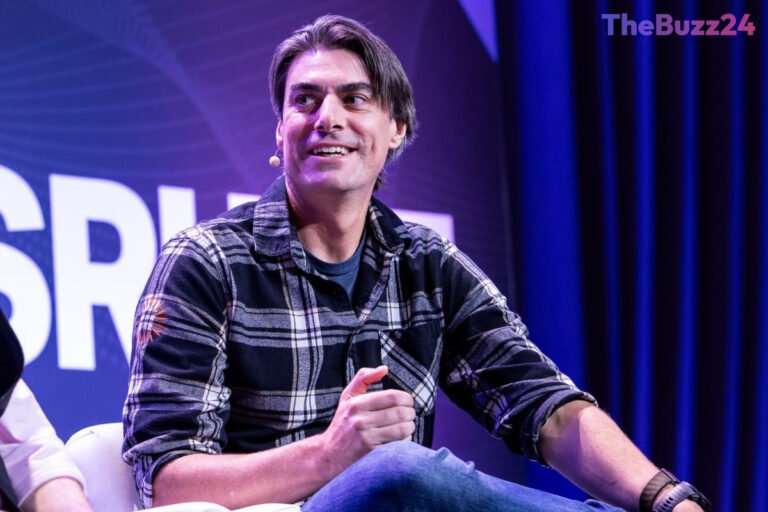
Venture Capitalist Warns of AI Wealth “Redistribution”
Neil Rimer, a prominent co-founder of venture capital firm Index Ventures, has voiced a striking prediction regarding the immense wealth being generated by the artificial intelligence boom. Speaking at a tech festival in Athens, Rimer expressed a strong conviction that a significant redistribution of this AI-driven wealth is inevitable. He suggested this redistribution could occur through either voluntary means or involuntary measures, emphasizing his hope for the former and encouraging tech leaders to play a proactive role in facilitating it.
Rimer’s perspective carries weight given his extensive experience in the venture capital world. Index Ventures has a notable track record, having raised approximately $15 billion and reportedly securing around $9 billion from recent high-profile exits like Figma’s IPO and Google’s acquisition of Wiz. Despite stepping back from daily investment activities in 2021, Rimer remains involved in philanthropic efforts, serving on the board of Endeavor Greece and formerly chairing Human Rights Watch. His family also made a substantial donation to McGill University, establishing a new Institute for Indigenous Research and Knowledges.
The conversation around wealth redistribution comes at a time when traditional philanthropic avenues appear to be waning among the ultra-wealthy. The Giving Pledge, initiated by Warren Buffett and Bill Gates, has seen a marked decrease in new signatories. Data indicates a broader trend of declining charitable giving participation in the U.S., even among affluent households. This shift is also reflected in the investment world, where financial planners note that newly wealthy tech employees are often more focused on angel investing or launching their own ventures than on large-scale charitable commitments.
This evolving landscape is prompting discussions about legislative interventions. California is considering a one-time 5% wealth tax targeting billionaires, a move that has led some to relocate their primary residences. OpenAI has also reportedly explored options such as granting the federal government an equity stake, a proposal framed by CEO Sam Altman as sharing AI’s benefits with the public, though critics view it as a bid for political protection. These developments highlight a growing tension between the concentration of wealth in the tech sector and societal expectations for its broader distribution, echoing historical precedents from periods of significant wealth inequality.
Key Takeaways
- Venture capitalist Neil Rimer predicts an inevitable redistribution of wealth generated by the AI sector.
- This redistribution may occur voluntarily through philanthropy or involuntarily via taxation and regulation.
- The trend coincides with a decline in traditional large-scale philanthropy among the ultra-wealthy and increasing legislative interest in wealth taxes.
Editor’s Analysis & Impact
Neil Rimer’s comments underscore a critical juncture for the tech industry and its burgeoning wealth. The immense fortunes being amassed, particularly from AI advancements, are drawing parallels to historical periods of extreme wealth concentration. The potential for both voluntary philanthropic action and involuntary governmental intervention presents a complex challenge for tech leaders and policymakers. The industry’s response will significantly shape its public perception and its relationship with broader societal needs, potentially influencing future investment strategies and regulatory frameworks. The debate highlights the ongoing tension between private wealth creation and public benefit, a dynamic that could redefine the role of technology in society.
Frequently Asked Questions
Q: Who is Neil Rimer?
A: Neil Rimer is a co-founder of Index Ventures, a prominent venture capital firm known for its investments in technology companies. He has stepped back from day-to-day investing but remains influential in the industry and is involved in philanthropic activities.
Q: What is the "redistribution" Rimer is referring to?
A: Rimer is referring to the potential movement of wealth generated by the booming AI sector. He believes this wealth will eventually be shared more broadly, either through voluntary actions by the wealthy, such as increased philanthropy, or through involuntary measures like taxation and government intervention.
Q: Why is wealth redistribution a topic of discussion now?
A: The discussion is fueled by the unprecedented amount of wealth being generated by AI companies and the individuals associated with them. This concentration of wealth is drawing comparisons to historical periods of high inequality, leading to questions about philanthropy, taxation, and the societal impact of such vast fortunes.
AI Disclosure: This article is based on verified data and official reports. Our Team and AI have cross-referenced every financial detail with primary sources to ensure total accuracy.
More from this Category